
Telecom Site Solar Overlay Technology Energy Saving Principle
The idea of solar overlay technology for saving energy in telecommunication base stations has become one of the most important concepts of telecom infrastructure design in the present day. With operators extending their networks to more distant locations and expanding the geography of operation, including regions with difficult access, the integration of solar energy as an alternative to electricity from grids or generators has moved from an option to a necessity. The notion of solar overlay implies the installation of photovoltaics and power control systems atop of traditional telecom sites energy systems.
There are two factors that lie behind the development of the mentioned concept – the increase in energy cost and environmental considerations. Telecommunication base stations require non-stop work; at that, they are located in areas with poor energy supply from grids or with expensive fuel delivery. Solar overlay allows reducing the dependence on generators, stabilizing costs for energy in the long term period and improving environmental performance without significant changes in telecommunications infrastructure.
What Telecom Site Solar Overlay Technology Means in Practice
Solar overlay of telecom sites is the term applied to the method whereby solar power generation facilities are incorporated within the power systems of telecommunications stations. This does not mean the replacement of the pre-existing power systems but rather an augmentation, which means the use of solar power as another energy source within the whole system.
In this case, solar power is produced and distributed in the form of direct current throughout the day. The power may be utilized by telecom devices or kept in batteries. If there is no need for more power, it can help reduce the consumption of power from other sources like diesel-powered generators.
This approach is highly suitable in remote areas where the power system may be weak due to the unreliability of diesel-powered generators or the grid network.
The International Energy Agency’s publication Renewables 2023 – Analysis and Forecast to 2028 shows that distributed solar generation is increasingly used in infrastructure systems with continuous power demand, highlighting how hybrid renewable integration is becoming a standard strategy for reducing fossil fuel dependency in energy-intensive sectors such as telecommunications.
Energy Saving Principle Behind Solar Overlay Systems
The energy-saving concept of a solar power overlay in telecoms is grounded in the load displacement, peak shaving, and hybrid optimization process. Instead of relying solely on one energy supply, a combination of the latter provides more efficient ways of meeting demand without wasting resources.
Load displacement means that during daytime, solar energy is used directly to power telecom stations without spending additional power from other sources. Peak shaving allows cutting off peak demands of conventional energy sources by using solar generated energy. Hybrid optimization implies the use of an optimized decision-making algorithm to manage energy distribution processes.
All three approaches make it possible to save fuel, reduce environmental impact, and increase the service life of diesel engines. At times, a significant reduction in fuel expenses is reached by improving energy use rather than generating energy. This method is highly effective when applied to telecom facilities because of their peculiar characteristics.
Base stations’ energy needs vary little, which distinguishes this infrastructure from the industrial one that requires substantial fluctuations in power supply. In other words, telecom facilities represent ideal objects to integrate solar energy into their work.
System Architecture of Telecom Solar Overlay Solutions
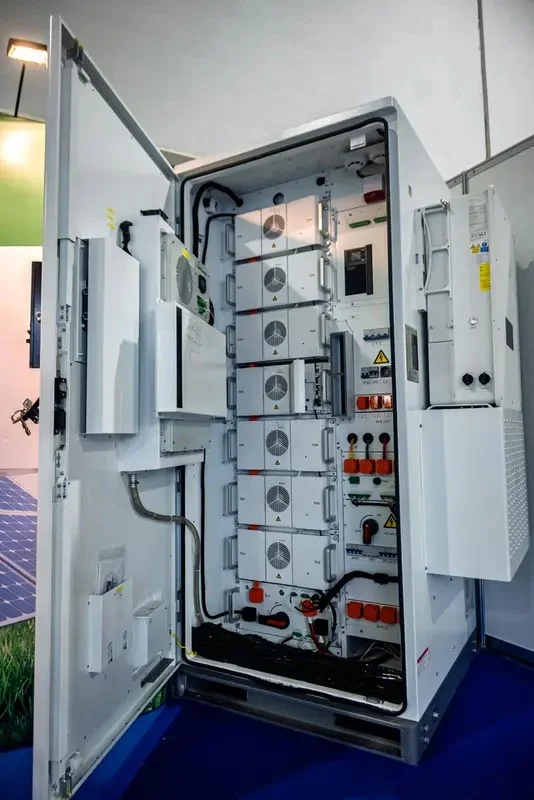
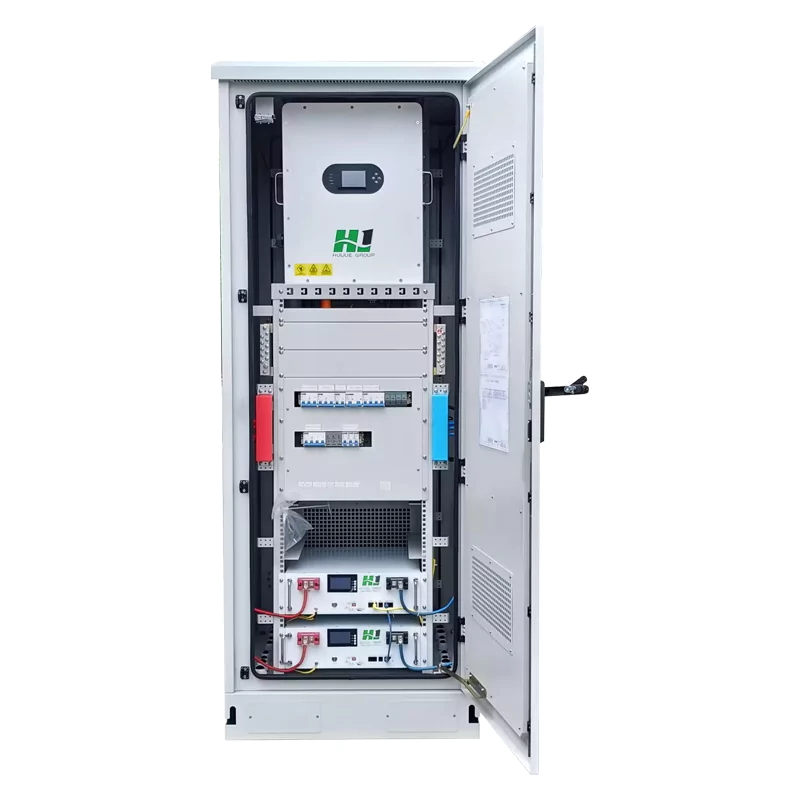
Telecom solar overlay system includes several interlinked components that function as an energy unit.
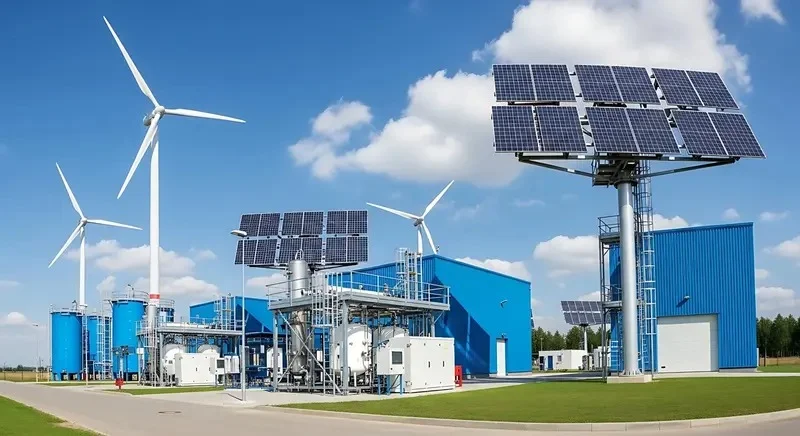
Solar photovoltaic cells comprise the initial power generation stage. They are normally fitted on rooftops, towers, or adjacent vacant land. The function of solar photovoltaic cells is to produce direct current from sunlight.
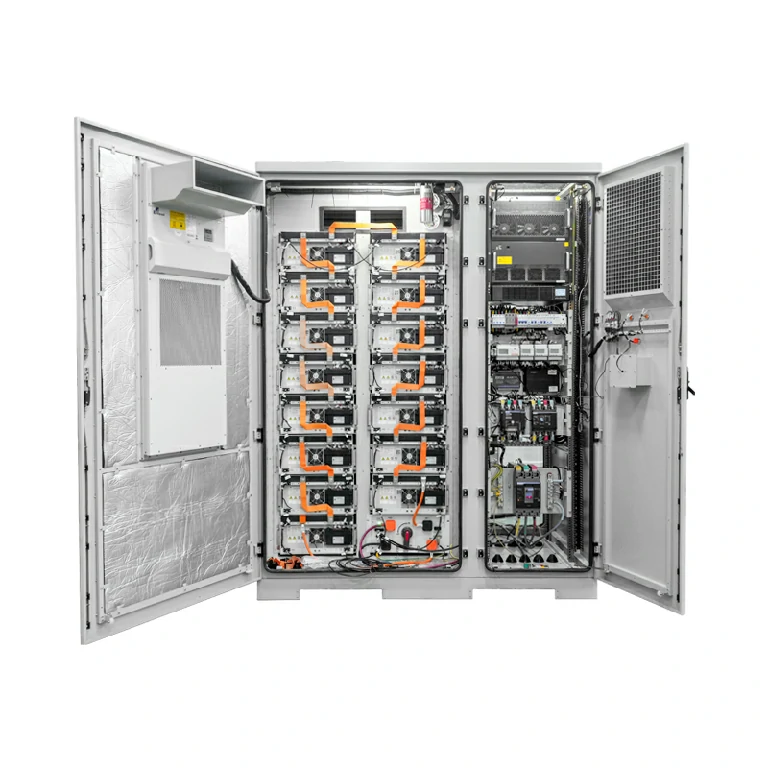
Battery energy storage systems serve as buffers that store excess energy produced by the solar photovoltaic cells and distribute it whenever necessary. This way, power supply will continue regardless of night or cloudy days.
Power rectifiers are responsible for controlling energy distribution. It is up to them to decide on what source of power to use to feed the load – either solar, batteries, grid or diesel.
Backup sources of power are diesel generators or grids.
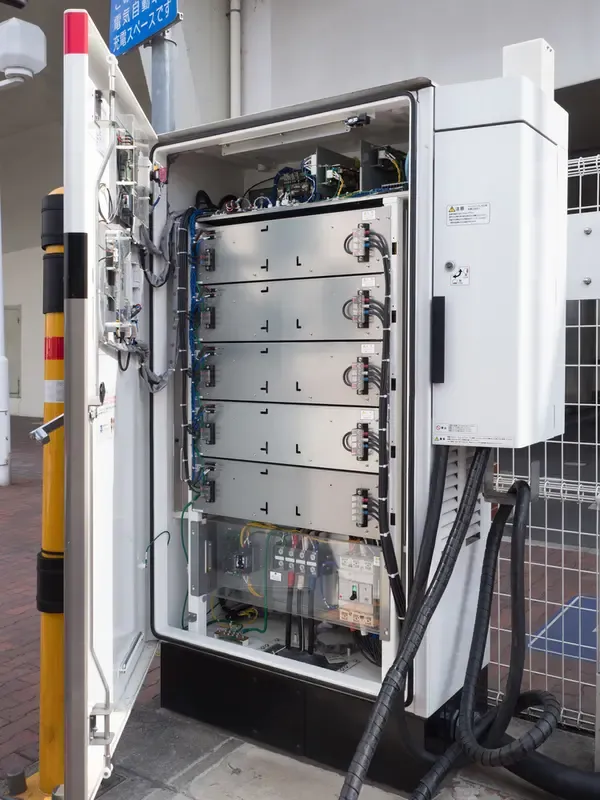
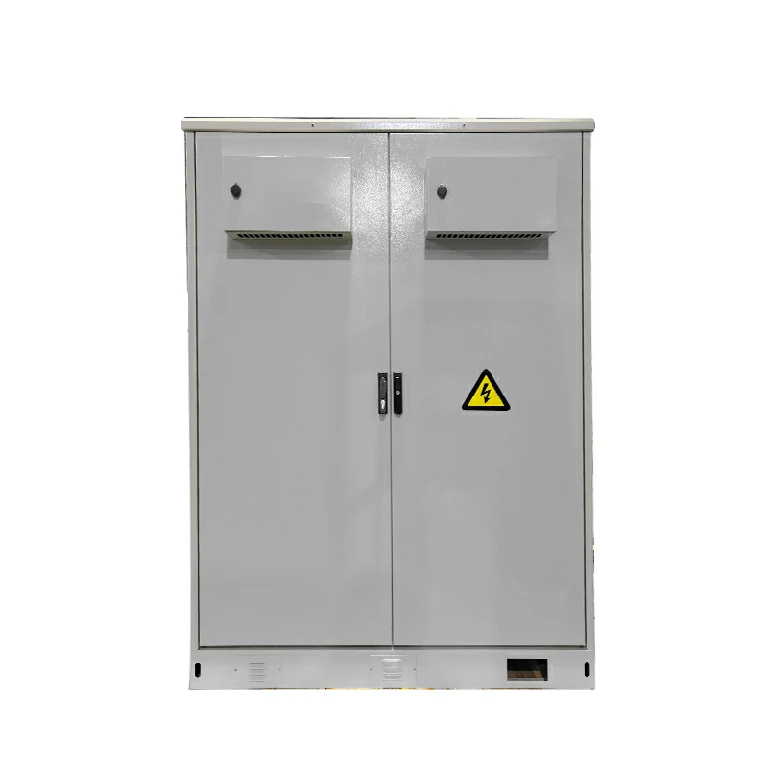
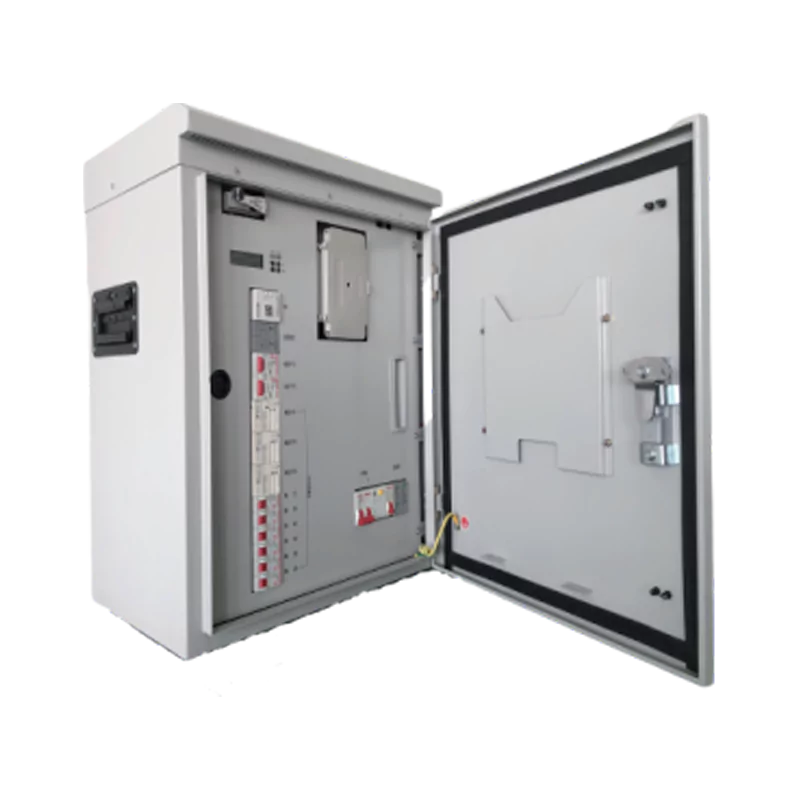
A significant portion of modern base station deployments rely on integrated equipment housed in outdoor telecom cabinets, where power systems, batteries, and transmission modules are consolidated in a single enclosure.
The presence of all the aforementioned components enables one to create a flexible energy micro-unit, which functions as opposed to the fixed single power source unit.
Operational Benefits and Constraints
The first advantage associated with this innovation is the saving in operational cost. Fuel expenses related to the lowering of diesel fuel requirements are considered to be the major cost saving factors during long periods. Moreover, solar panels help reduce the need for trips to refill sites, thus decreasing the complexity of maintenance logistics.
Furthermore, this innovation also has positive environmental impacts since it helps cut down the use of fossil fuels, which leads to the decline in greenhouse gases emissions and helps operators meet sustainability objectives.
Nevertheless, there are also some challenges in implementing this technology. High initial capital investments associated with the implementation of equipment and energy storage devices may be a limiting factor. Furthermore, the performance of solar panels depends on weather and geographical conditions, so their output capacity should be monitored properly.
Despite such disadvantages, hybrid systems are still extensively used.
Design Considerations and Deployment Strategy
Proper deployment of telecom solar overlay systems involves thorough planning concerning site selection, load demand, and energy availability. The sites with high consumption of diesel fuel and high levels of solar radiation generally yield high returns on investment.
The size of the installation is crucial. An oversized system could result in higher cost for less benefit, while an undersized system will not generate sufficient savings on fuel. Adequate battery sizing needs to consider nighttime load demand.
There is an increasing need for intelligent control systems. Today’s installations use predictive algorithms that predict energy production and energy demand, facilitating the scheduling of power sources more effectively.
An additional aspect of consideration is the maintenance strategy. While solar panels eliminate some logistical expenses, the technology adds maintenance tasks including panel cleaning, battery health maintenance, and inverter performance.
FAQ
How does solar overlay reduce energy consumption at telecom sites?
Energy reduction comes from three mechanisms: direct solar power usage during daylight hours, reduction of peak load on diesel or grid systems, and intelligent energy routing between solar, battery storage, and backup power. This reduces the need for fuel-based generation and improves overall system efficiency.
Why is solar overlay suitable for telecom base stations?
Telecom base stations have relatively stable and continuous power demand. This makes them ideal for solar integration because energy output from solar systems can be predictably absorbed or stored without large fluctuations in consumption patterns.