
Top Features to Look for in a Solar Battery Cabinet
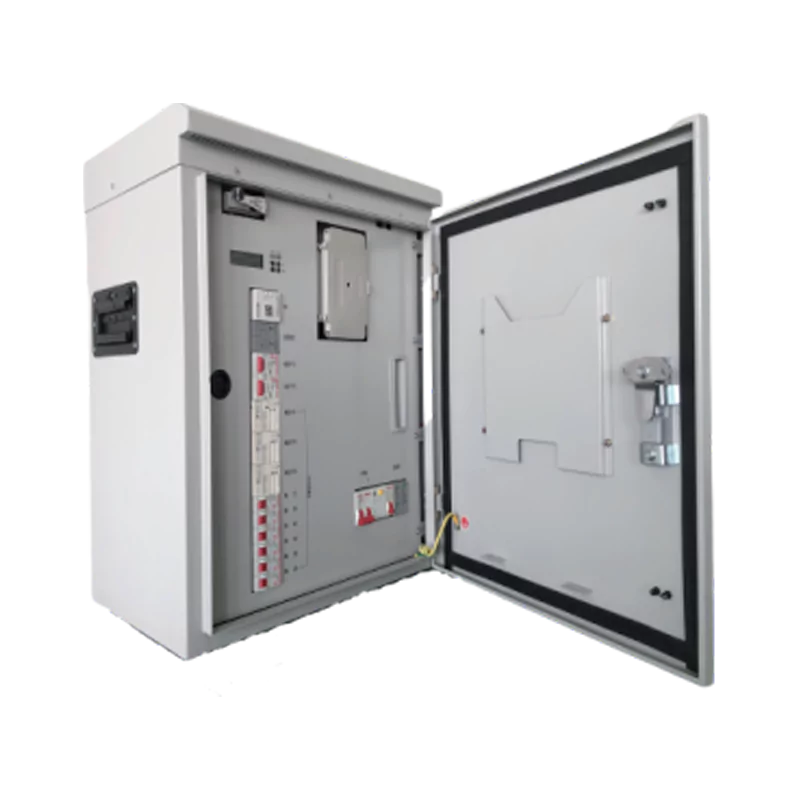
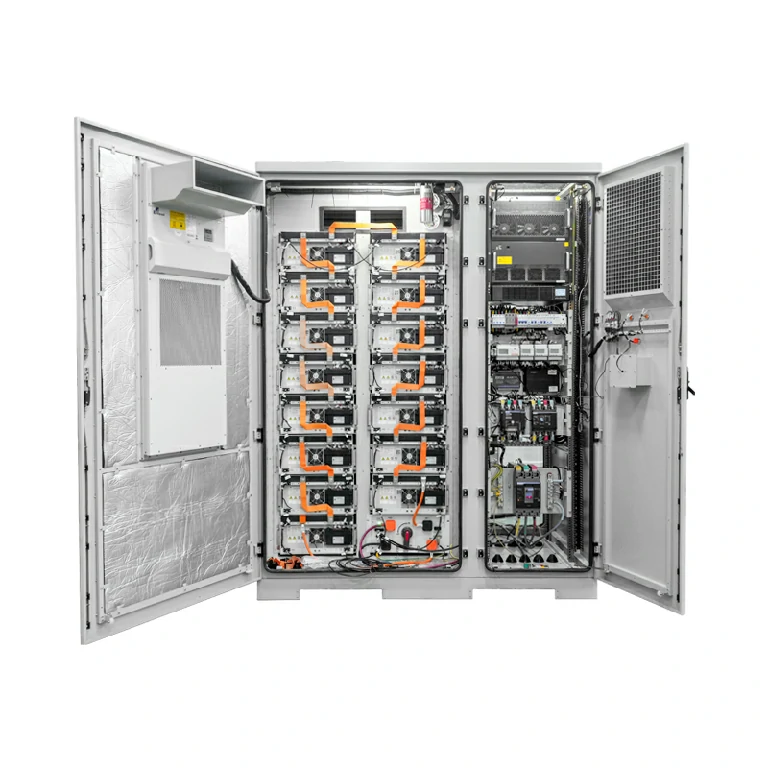
Solar battery cabinets do not only function as boxes for batteries. They serve as the protective center of an energy storage system, particularly in an outdoor environment where temperature and safety considerations remain constant variables. Sometimes, the choice of cabinet can make all the difference in terms of lifespan, performance, and safety.
The Importance of Design in Solar Battery Cabinets
A properly designed cabinet provides a safe working environment for the batteries inside the box. Otherwise, there may be problems with overheating and even safety issues.
The study titled Grid-Scale Battery Storage, published by National Renewable Energy Laboratory, shows that temperature control and system integration are critical factors influencing battery performance and degradation rates. This directly reinforces the importance of cabinet-level engineering rather than just battery selection.
Structural Integrity and Load Capacity
Weight is an important factor that should be considered when choosing battery enclosures. The frame should have enough strength to sustain the weight for years to come without deforming. Most manufacturers use steel or reinforced aluminum in making the frame. However, it’s thickness and structure, rather than materials that determine durability.
If the batteries will be installed outdoors, it’s better if the frame provides additional protection from vibration, strong winds, and impacts.
Thermal Management as One of the Basic Features
Heat destroys batteries faster than anything else. Therefore, thermal management systems need to be present. The basic design requires passive ventilation or active cooling mechanisms such as fans or HVAC.
If the battery cabinet is exposed to extremely hot weather, ventilation becomes even more crucial because temperature inside increases quickly, causing damage.
Critical Safety Factors That Must Be Considered
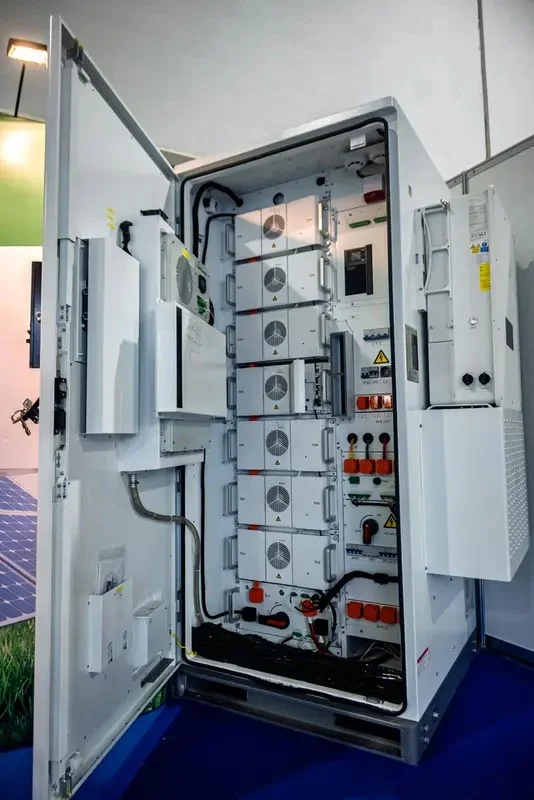
Safety isn’t something you can do without in any enclosure. It is the basis of all operations.
The study titled Electricity Storage and Renewables: Costs and Markets to 2030, published by International Renewable Energy Agency, finds that system safety and reliability significantly impact the long-term viability and adoption of energy storage solutions. This extends directly to cabinet design and protective features.
Fire Resistance and Containment
Fire resistance and compartmentalization should be features of an excellent battery cabinet. In cases where thermal runaway occurs, proper design will help contain the problem so that it does not affect nearby cells or outside machinery.
There are some designs which also come with fire suppression systems, but these are mostly used in larger applications.
Electricity Protection Systems
The inclusion of electrical protection devices within the battery system is mandatory. This encompasses overcurrent protection, grounding systems, and surge protectors.
Any electrical malfunction without such measures can easily result in total destruction.
Environmental Protection for Outdoor Battery Cabinets
The cabinets will be exposed to harsh environmental conditions continually. Selection of an enclosure is therefore very important.
IP Ratings and Weatherproofing
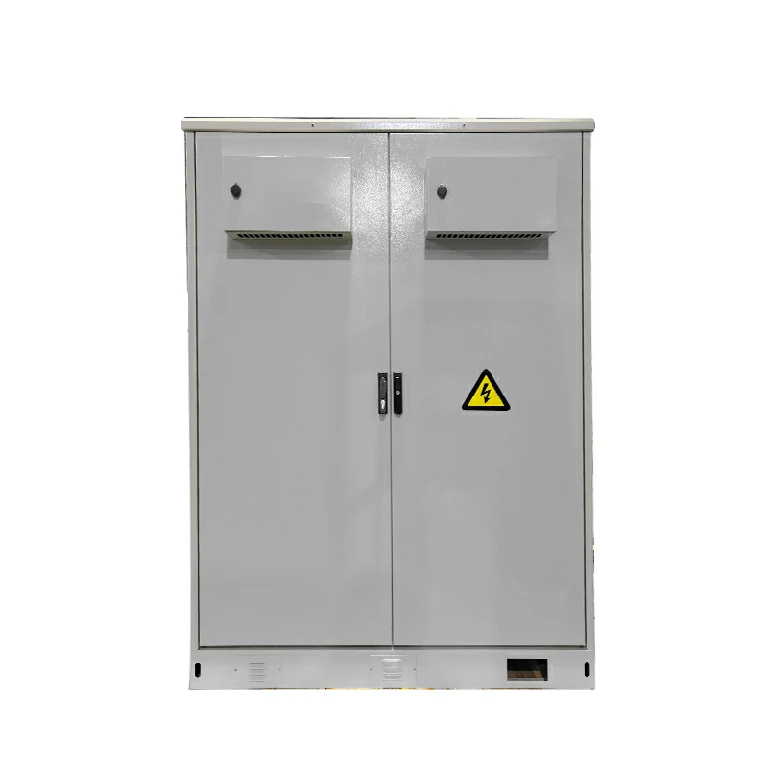
Ingress Protection (IP) ratings determine the cabinet’s resistance to dust and moisture. Outdoor cabinets usually have at least an IP54 rating. In more challenging environments, an IP65 or better is recommended.
Sealed cabinet doors, rubber seals, and anti-corrosive finishes all contribute to longevity.
Corrosion Resistance and Enclosure Materials
Metal components can corrode because of humidity, salty air, and chemical emissions. Cabinets made from powder-coated steel or stainless steel are recommended for such settings.
Small aspects, such as door hinges and cabinet fittings, are very important.
Scalability and System Integration
There should never be any restrictions on future expansion by a solar battery cabinet. The demands for energy tend to increase and the cabinet has to allow for expansion, without necessitating a total redesign of the system.
Advantages of Using Modular Solar Battery Cabinets
Solar battery cabinets, which can have new battery units added to them, make it much easier and cheaper to expand the system.
In addition, it makes maintenance easy, since it is possible to perform it on the modules without turning off the whole system.
Cabinet Compatibility with Other Energy Systems
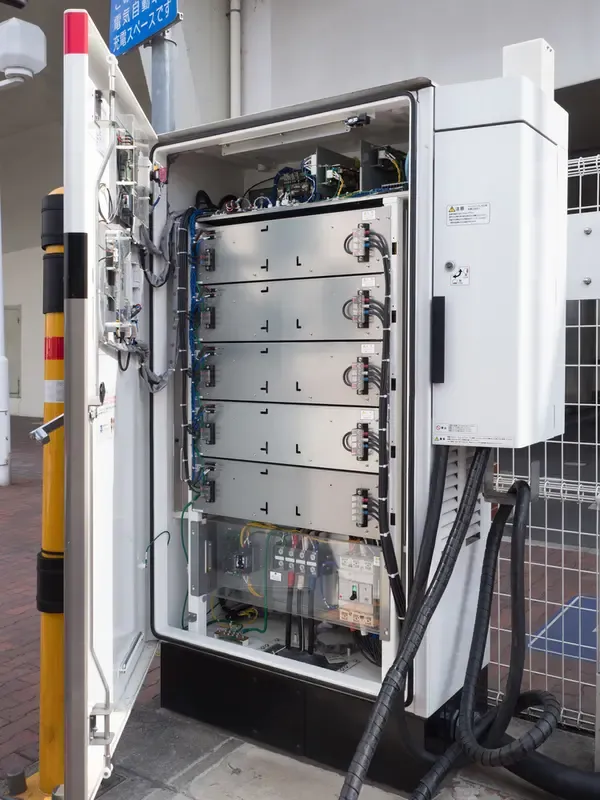
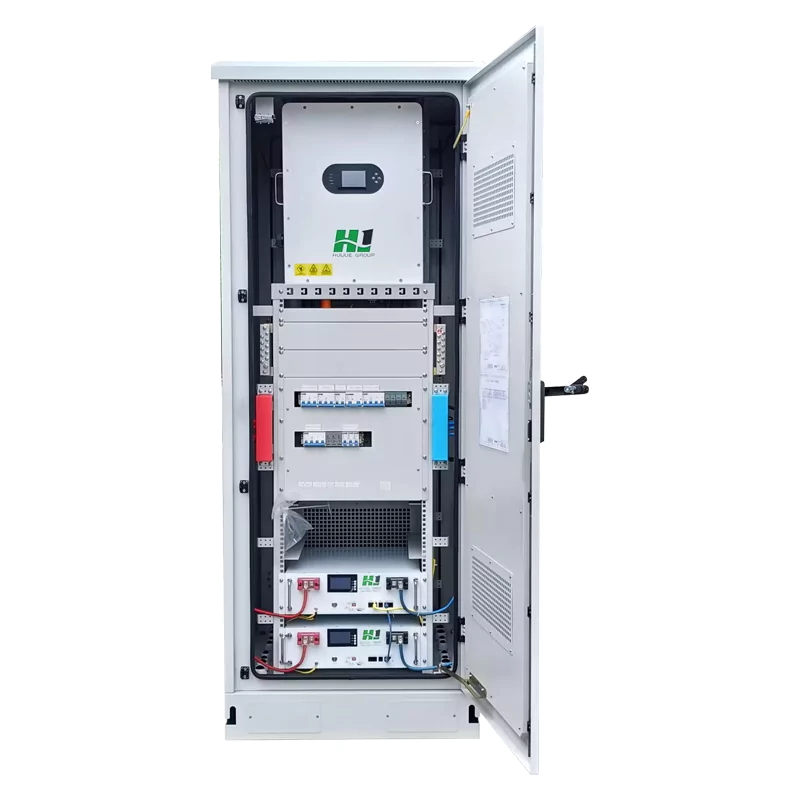
The cabinet should be compatible with inverters and charging controllers among other components of the system. Here, cable management and connection points become important.
Monitoring and Smart Control Features
Monitoring features have become an integral part of modern battery enclosures. It is not a novelty anymore.
Performance Monitoring on the Spot
The sensors monitor all relevant indicators including temperature, voltage, and general system status. This allows discovering potential problems and increasing system performance.
In more complex systems, the remote monitoring is vital to efficient maintenance.
Automation and Alarms
In addition to alarming about the situation, some systems can switch off parts of the system if the parameters exceed the acceptable levels.
Space Efficiency and Installation Practicality
Often times, physical space becomes a crucial factor determining the chosen cabinet.
Compact Cabinets vs Accessibility
Although a compact cabinet can save much-needed physical space, its design must allow enough room for technicians performing regular maintenance tasks.
The main consideration here is balance between high density of equipment and well-organized arrangement.
Facilitating the Installation Process
Prefabricated solar battery cabinets save time and effort. Features such as cable entrance points, different mounting choices, and proper labeling significantly ease the process.