
Key Advantages of Hybrid Power Systems for Telecom Sites
Reliable power is the backbone of every telecom site. Whether supporting rural towers, urban micro-cells, or remote network infrastructure, uninterrupted energy supply directly affects network uptime, service quality, and operational costs.
Hybrid power systems for telecom sites have emerged as a practical solution to address these challenges. By combining multiple energy sources—typically solar, batteries, grid power, and generators—hybrid systems deliver improved reliability, lower operational costs, and reduced environmental impact compared to traditional single-source power systems.
With the expansion of telecommunications networks to more remote locations, the need for flexible power systems becomes even more important. Hybrid power generation systems are no longer an experimental technology but are instead becoming standard.
Why Traditional Power Systems Are No Longer Enough
Many telecommunication facilities were traditionally dependent either on grid electricity or diesel generators. While this model was effective in the past, it poses increasing difficulties nowadays.
Telecommunication facilities dependent on grid electricity face problems including:
- Frequent breakdowns in unstable zones
- Voltage instability leading to the destruction of expensive equipment
- Limited access in remote locations
Telecommunication facilities dependent only on diesel generators are faced with the following difficulties:
- Expensive delivery of fuel
- Maintenance needs
- Noise pollution
- Shorter equipment life expectancy
This problem causes not only economic but also operational strain. The expansion of telecommunication networks to rural or remote areas makes it more obvious.
The concept of hybrid power generation resolves all the above-mentioned difficulties through combining different power sources.
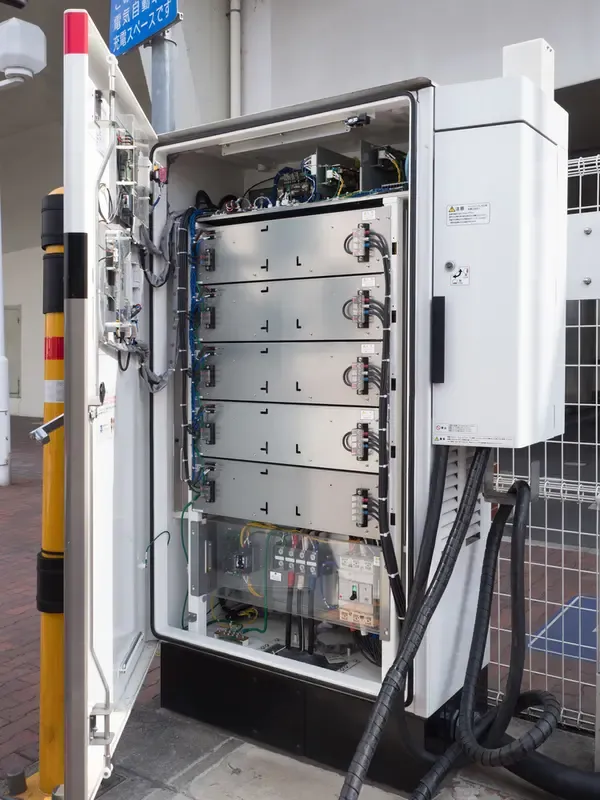
What Is a Hybrid Power System for Telecom Sites
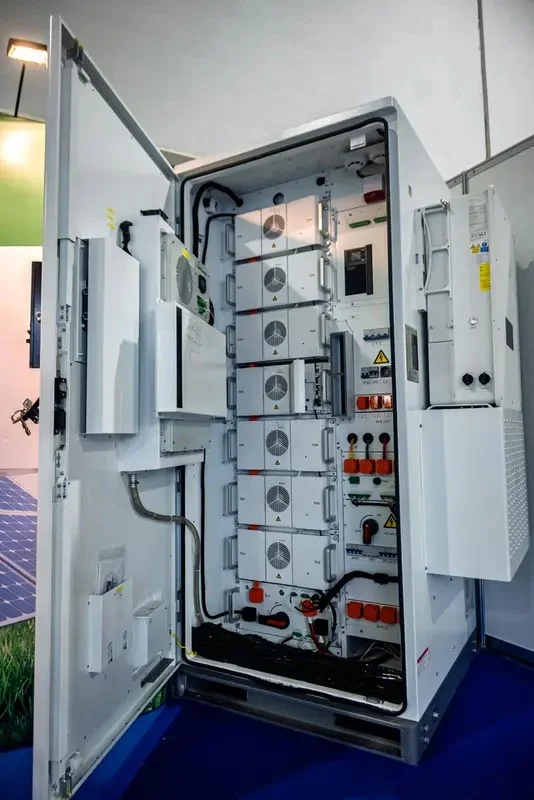
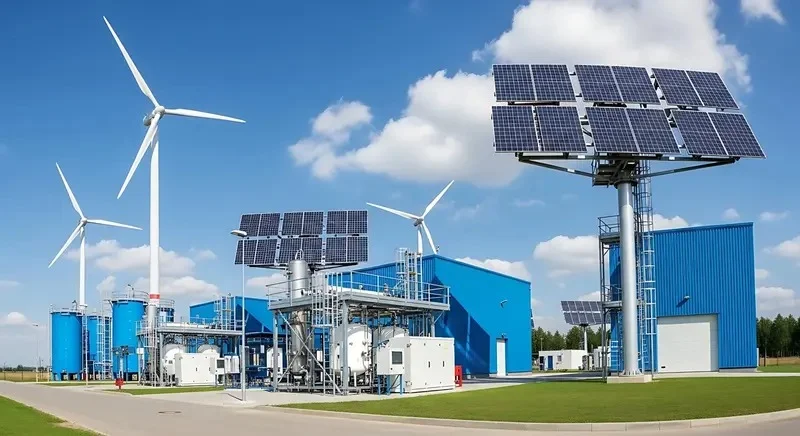
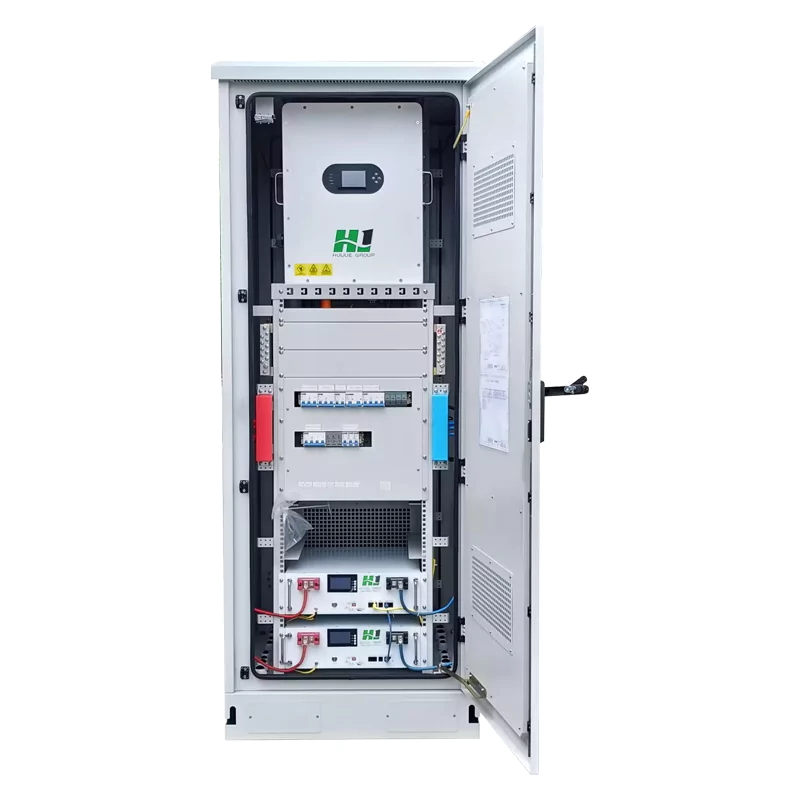
A hybrid power system entails integrating two or more power sources in an interconnected power system. Examples of such energy sources in telecoms include:
- Solar photovoltaic cells
- Energy storage batteries
- Diesel or gas generators
- Grid connectivity (where possible)
- Power controllers
Hybrid systems enable switching from one energy source to the other whenever required. This means that solar energy supplies power during the day, battery supplies power at night, while generators switch on only where needed.
Reliability and Efficient Power Supply
Reliability is one of the major benefits of hybrid power systems in telecoms sites.
As opposed to single-energy source-based systems, hybrid systems offer redundancy in case of failure. When one energy source fails, others kick in automatically.
Multiple Power Sources Reduce Downtime
Hybrid power systems reduce downtime with:
- Automatic switching between sources
- Batteries in case of a power failure
- Less dependence on generators
- Greater fault tolerance
Such redundancies are especially critical for telecommunications towers in remote locations, where there may be restricted access for repairs and extended power outages.
The National Institutes of Health (NIH)’s publication A Review of Renewable Energy Based Power Supply Options for Telecom Towers shows that hybrid renewable power configurations significantly improve operational reliability while reducing dependence on diesel generators in telecom tower deployments.
This aspect contributes to service continuity and minimizes operational risks.
Lower Operating Costs Over Time
While hybrid solutions may have higher upfront costs, they tend to lower operational costs over time.
Fuel Savings
Diesel generators are one of the costliest energy sources because of the following reasons:
- Transportation costs
- Fluctuating fuel prices
- Maintenance costs
By relying less on generators for power generation, hybrid solutions decrease fuel usage and overall operational costs.
Less Maintenance Needed
Diesel generators must undergo regular maintenance, oil changes, and repairs. Hybrid solutions help minimize the need for generator use, which in turn:
- Increases generator longevity
- Reduces maintenance frequency
- Decreases maintenance costs
Enhanced Energy Efficiency
The hybrid energy system ensures optimum utilization of energy by managing its sources through dynamic means. The intelligent controller analyzes the following criteria to determine the best energy source at any point in time.
- Load demand
- Battery condition
- Availability of solar power
- Efficiency of the generator
Smart Energy Management
Hybrid energy system utilizes intelligent management by:
- Loading management
- Optimization of energy storage
- Power switching based on demand

Reduced Environmental Impact
Sustainability has become one of the core aspects when implementing telecom infrastructures. One such technology that reduces environmental impact is the hybrid power systems through renewable energy usage.
Reduction in Carbon Footprint
Through the integration of solar-battery hybrid systems, there will be less need for fossil fuels. The following are some of the outcomes:
- Reduced carbon footprint
- Less noise pollution
- Environmentally sustainable telecom infrastructure
When thousands of infrastructure facilities are involved, the little reduction in each location adds up to produce huge impacts.
Meeting Sustainability Targets
It is common practice for telecom companies to meet their environmental targets through:
- Achieving corporate sustainability objectives
- Adhering to regulations
- Building green telecom infrastructure
Better Performance in Remote and Off-Grid Locations
Remote telecommunication facilities face distinct problems:
- Absence of electricity from the power grid
- Complex maintenance processes
- Unfavorable climatic environment
Hybrid energy facilities work especially well in such circumstances.
Fewer Maintenance Visits
With decreased use of generators and increased reliability, fewer maintenance visits are necessary. This means:
- Decreased costs for travel
- Fewer downtime risks
- Less complex operations
Greater Energy Independence
Hybrid telecommunication facilities can function autonomously over long periods of time, relying on solar energy and batteries for power generation.
Scalability and Future-Ready Infrastructure
Scalability is another major benefit of using hybrid power solutions at telecom towers. As demand rises, hybrid power solutions can be scaled up by installing:
- Extra solar panels
- More battery storage
- Alternative generators
This enables:
- 5G rollouts
- Development of rural networks
- Higher data needs
Telecom providers can scale their operations without overhauling the whole power system.
Hybrid Power Systems vs Traditional Power Systems
| Feature | Hybrid Power Systems | Traditional Power Systems |
| Reliability | High redundancy | Single-point failure risk |
| Operating Cost | Lower long-term cost | High fuel expense |
| Maintenance | Reduced generator usage | Frequent maintenance |
| Environmental Impact | Lower emissions | Higher emissions |
| Scalability | Easily expandable | Limited flexibility |
| Remote Site Suitability | Excellent | Limited |
This example explains why hybrid systems are now being favored in telecom installations.
Key Elements Needed for Hybrid Effectiveness
The following technologies make hybrid power systems possible:
Smart Power Control Devices
These control the movement of power between sources. They increase efficiency and stabilize power levels.
Energy Storage via Batteries
Batteries can store:
- Backup power
- Load balancing
- Energy storage for solar generation
Renewable Energy Integration
Solar panels decrease dependence on fuel-powered energy. This leads to more economical and sustainable power usage.
Why Hybrid Power Systems Are Becoming the Industry Standard
Rapid changes are occurring within telecommunications networks, driven by increased coverage, rising demand for data usage, and the need for sustainability objectives to be met.
The implementation of hybrid power systems for telecom facilities provides:
- Higher reliability
- Reduced operating expenses
- Decreased environmental impact
- Enhanced remote operation capabilities
- Scalable infrastructure
This list highlights the reasons behind the shift towards hybrid power systems among telecom providers around the world.
In order for telecom networks to remain stable during their expansion into difficult areas, it becomes necessary for them to have flexible and resilient infrastructure.
When planning for future telecom infrastructure, telecom providers must consider the use of hybrid power systems, which is now more than a necessity.