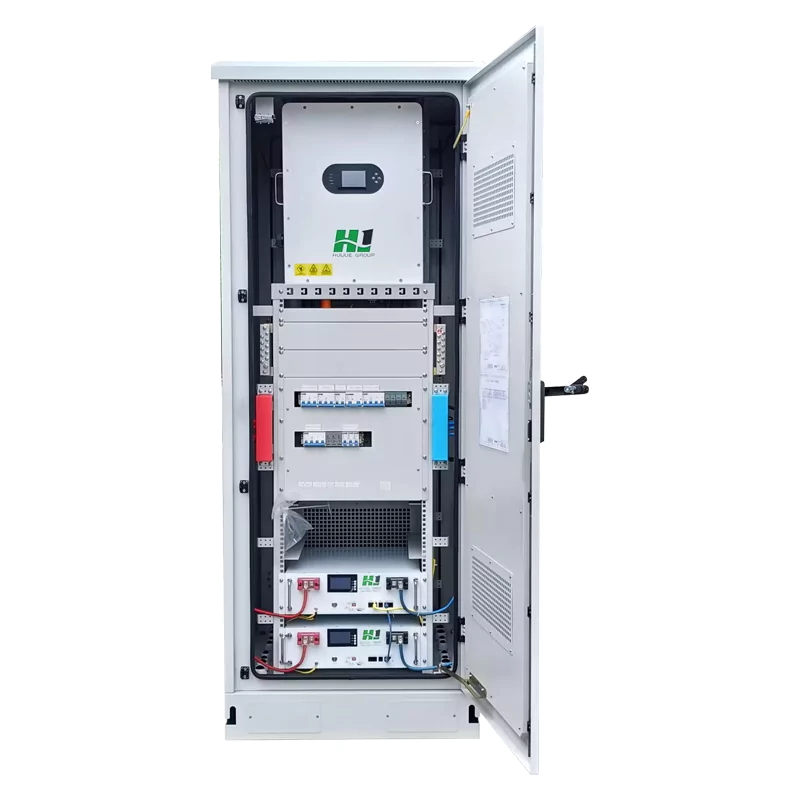
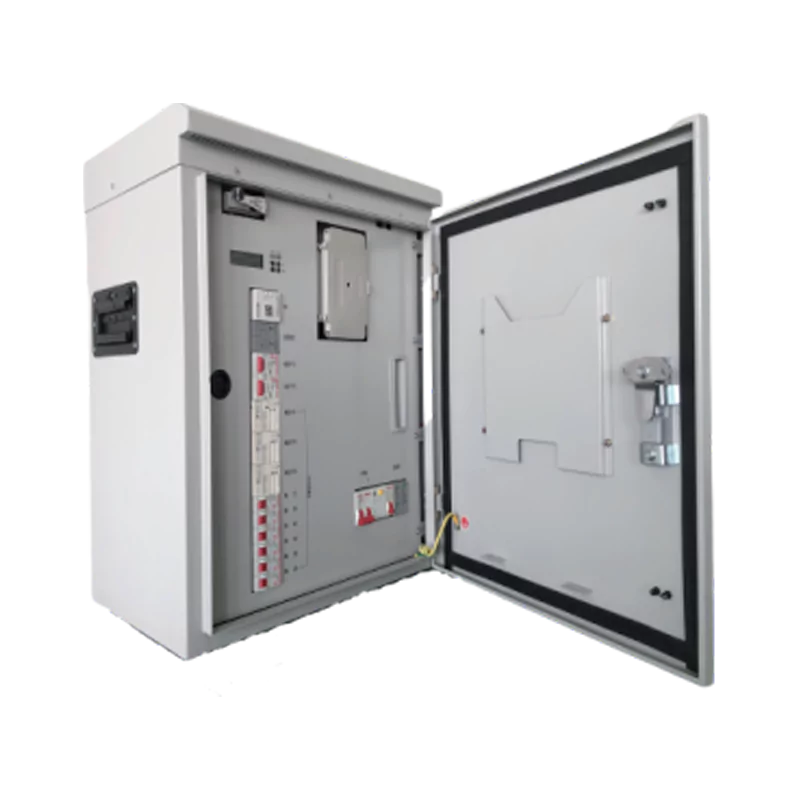
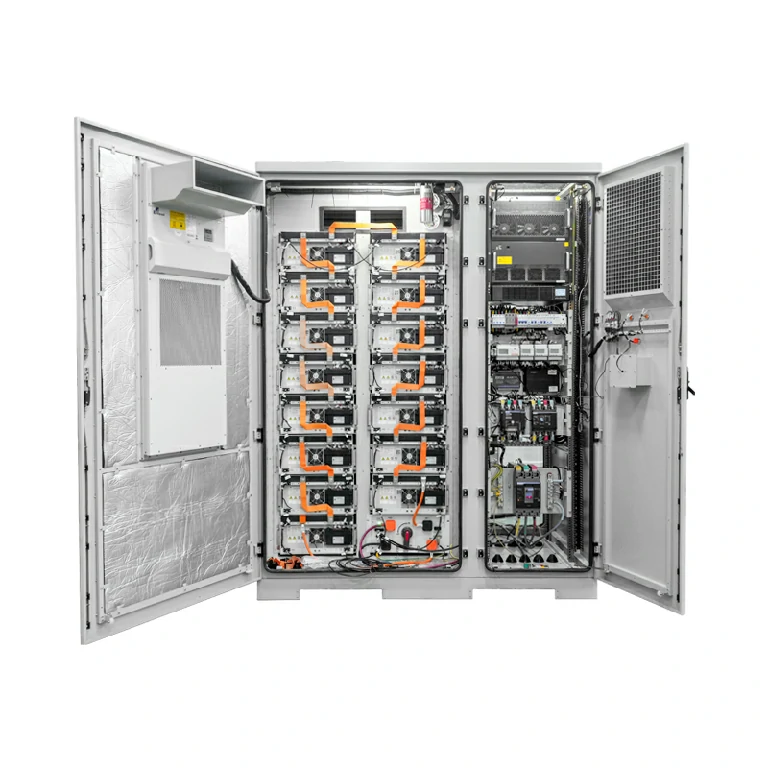

Top 7 Features to Look for in a Battery Storage Cabinet
The choice of a battery storage cabinet is now not a secondary decision to be made, but rather it follows the decision of purchasing batteries. Currently, in the world of new energy, in projects related to outdoor use, the storage cabinet impacts safety, voltage stability, maintenance, and ultimately returns on investment. If the storage cabinet is not well designed, it may affect the life span of the batteries, even if they are of high quality.
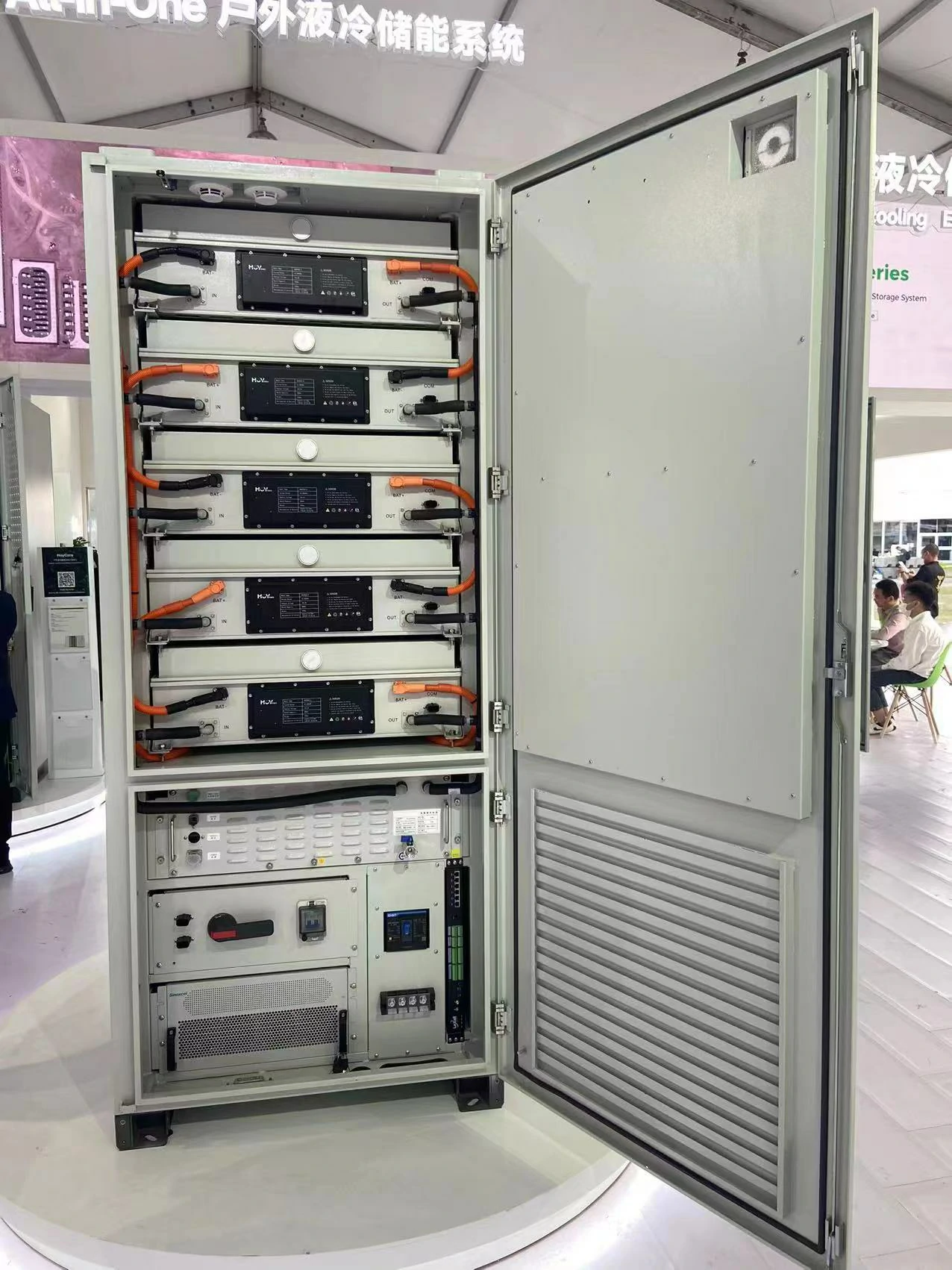
Safety-Orientated Structural Design
Fire containment and risk isolation
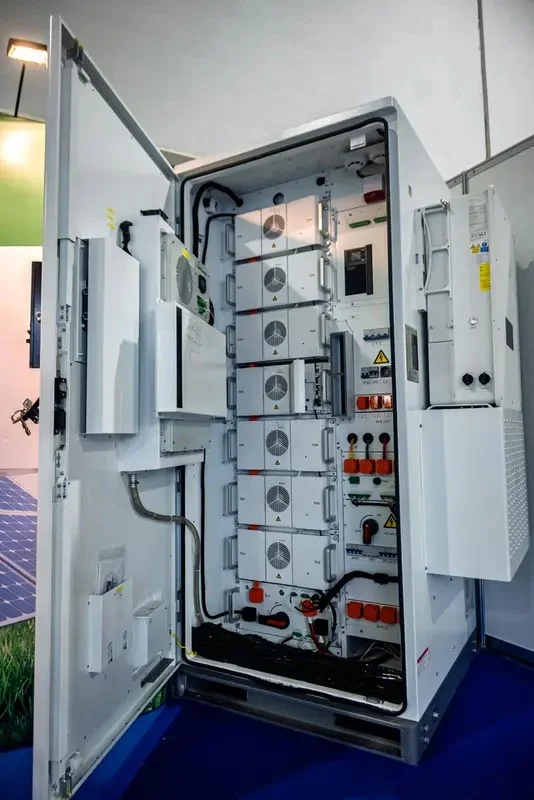
Safety should be the primary concern. A battery storage cabinet has to be able to cope with extreme situations. This naturally involves more than mere robustness. The design of compartments within the cabinet and distances between battery modules, as well as the use of fire-resistant materials, help mitigate an incident.
In actual projects, an incident tends to propagate owing to the rapid transfer of heat or flames from one module to another. Cabinets that offer physical separation and proper airflow paths offer a longer window for detection and reaction to an incident.
Pressure Relief and Gas Management
In situations where there is abnormality, there may be a production of gases and heat by batteries. A cabinet which retains pressure creates another hazard. Although pressure relief systems help to prevent damage, sometimes these systems are incorporated into pressure relief panels or designed as ventilation paths.
On Top of a Concrete Foundation
Protection against dust and moisture ingress
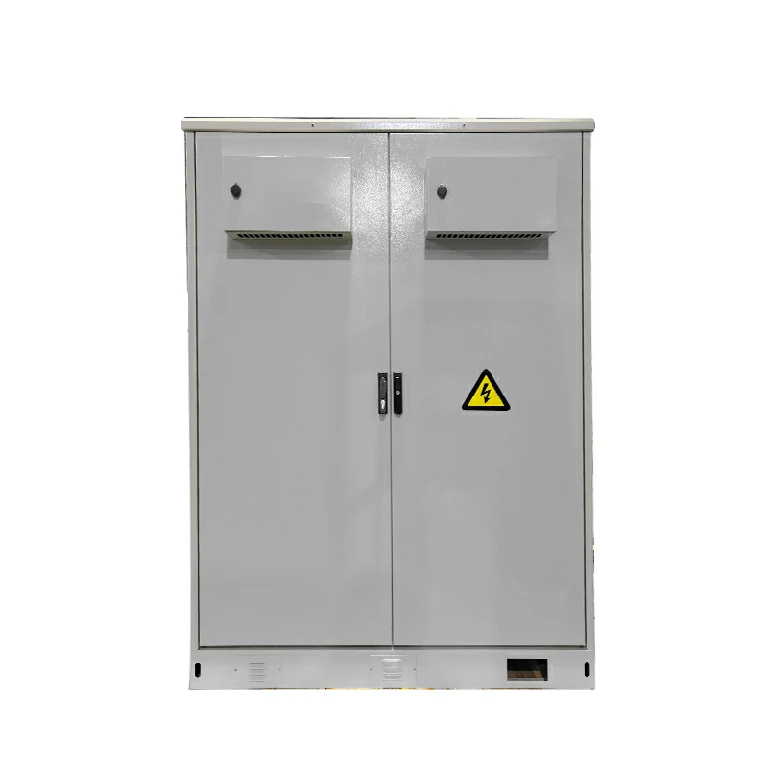
For an external battery cabinet, environmental factors are simply inescapable. Rain, dirt, sand, and high humidity all take their toll on the enclosure. The ingress protection rating can be more than just a tick box for the requirements. It will have an effect on corrosion, insulation, and electrocution.
Small leaks in sealing can also translate to moisture intrusion, resulting in the degradation that may not be noticeable until a problem arises.
Resistance to temperature extremes
Outdoor type energy batteries could operate in conditions that are rather remote from those of an optimal laboratory environment. Cabinets containing batteries ought to be designed to handle high summer temperatures, cold of winter, and considerable temperature changes.
Thermal Management Capability
Heat dissipation strategy
The charging and discharging of batteries produce heat. The design of a battery storage cabinet should account for such heat energy throughout, and not just during Peak. Depending on size and climate of operation, such energy may be removed through natural convection or forced air cooling.
Instead, the objective should be non-aggressive cooling, but a steady operating temperature, perhaps a few degrees warmer. Regular temperature fluctuations have a more negative effect on a battery’s health than constant, albeit marginally raised, temperatures.
Internal airflow design is the arrangement
The issue is not just about fans or cooling. Inappropriate internal airflow designs can cause hot spots. The hot spots accelerate battery degradation unbalanced. The well-designed cabinet directs air flow on purpose. The purpose is to ensure that individual modules don’t have an unequal amount of heat stress.
Mechanical Strength & Durability
Structural integrity and impact protection
However, the outdoors may subject the installment cabinets to vibration, transported stress, and physical contact. A battery storage cabinet must be able to withstand the conditions and not deform or loosen the components.
The use of rigid frames, reinforced doors, and the right hinges may all be considered small details which must make a major contribution to reliability.
Corrosion Resistance
Materials and finishing are essential. It is necessary for outdoor enclosures to be able to withstand corrosion from humidity, salt air, pollution, and chemical exposure. Once an enclosure is compromised from corrosion, safety and even aesthetic appeal suffer rapidly.
Scalability and Modular Architecture
Support for capacity expansion
Storage energy facilities sometimes change over time. In battery storage, an expansion-capable storage cabinet will provide flexibility in terms of adding capacity without having to change out an entire storage cabinet. This is particularly useful in a business or infrastructure project.
Another advantage of modularity is ease of transport, installation, and replaceability of a smaller unit compared to a non-modular system.
Clear internal structure
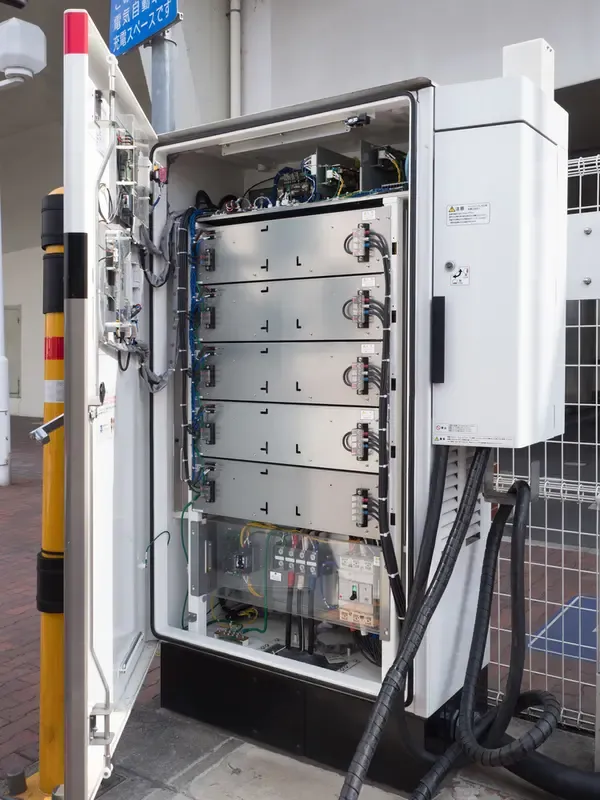
It has been observed that an internally organized design minimizes the possibility of error during installation as well as maintenance by humans. Cable pathways, marked connection points, and clearance facilitates quicker and safe maintenance.
Accommodation for Sensors and Controls
Although monitoring electronics may be exterior, it is necessary for the cabinet to have accommodations for sensors related to monitoring temperature, humidity, smoke, or gas. An improper sensor environment obscures visible conditions.
A good outdoor battery cabinet should foresee monitoring requirements rather than consider them as an afterthought.
Accessible inspection points
There should be easy access for the technicians without requiring disassembly. What will seem small, like inspection windows, indicator panels, and ports, can be very important when it comes to efficiency for long use.
Installation and Site Compliance
Foundation and mounting compatibility
It should be simple to integrate with different locations. Forklift channels, lifting eyes, and standardized interfaces for mounting the cabinet will simplify the process of transferring the cabinet. This will be significant when installing the cabinet at a temporary site.
Site adaptability is also linked to footprint efficiency. Cabinets that meet functionality and size criteria will perform better in tightly spaced areas.
Cable entry and grounding design
Cable Entry A poor design of entering cable results in untidy installation and sealing. Strategically located cable glands and bottom and side entry facilities enhance safety and aesthetics.
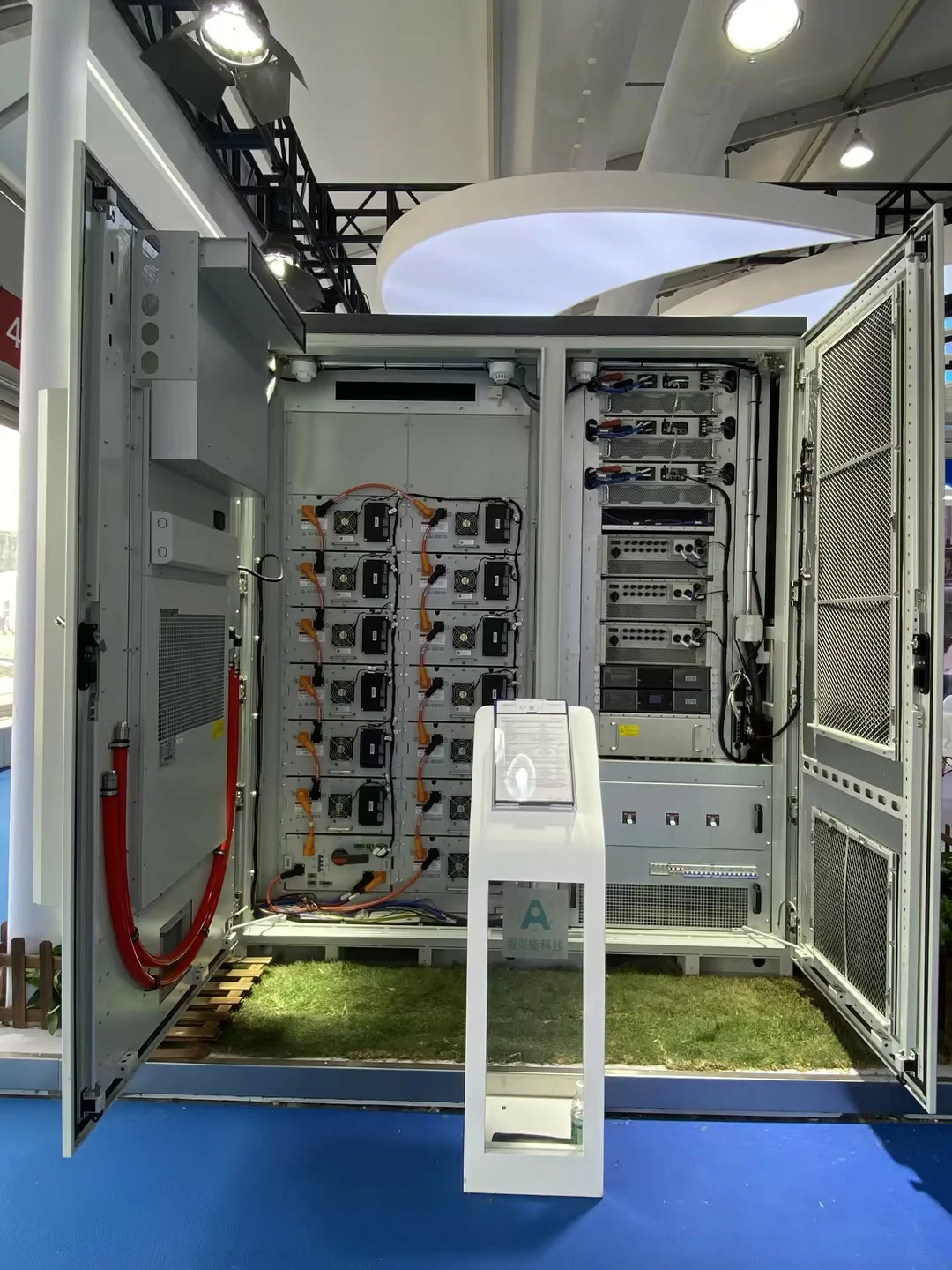
Maintenance and Lifecycle Efficiency
Ease of routine servicing
Additionally, a Maintenance should not have to involve disassembling half of the cabinet. Having hinged panels, sectionalized components, and standardized hardware all contribute to faster and less error-prone maintenance. Over time, all of these features directly affect a system’s operating expenses.
Long-term material stability
Outdoor battery enclosures are designed to be durable, with an expected lifespan of many years. UV resistance, aging of seals, and paint resistance are factors in how well an outdoor battery cabinet will perform with time. An outdoor battery enclosure that appears acceptable during initial installation but subsequently fails sooner than it should can become a problem.
Why These Features Matter Together
Each of these is beneficial by itself, but the true strength is found when combined. A battery storage cabinet is more than a system component, less a passive box. Problems with one aspect can combine to intensify others. Lack of a tight seal, for example, can increase the thermal loading, thus shortening the life expectancy of the battery. A holistic way of thinking can help prevent such a cascade of effects. The cabinet and energy storage system should also be considered together and not as an aftermarket accessory.
Final Thoughts
Selecting an optimal battery storage cabinet is a crucial step that affects both the safety and functionality of an energy storage system. To make your outdoor cabinet-based energy storage system more reliable, you just need to concentrate on the following factors: environmental protection, heat removal, mechanical strength, scalability, opera tion simplicity, environmental protection, and environmental protection.
While weighing the alternatives, one must consider practical questions. What will the behavior of this cabinet be like after many years of exposure? What will the maintenance be like? Often, the answers to such questions are more important than the published specs.