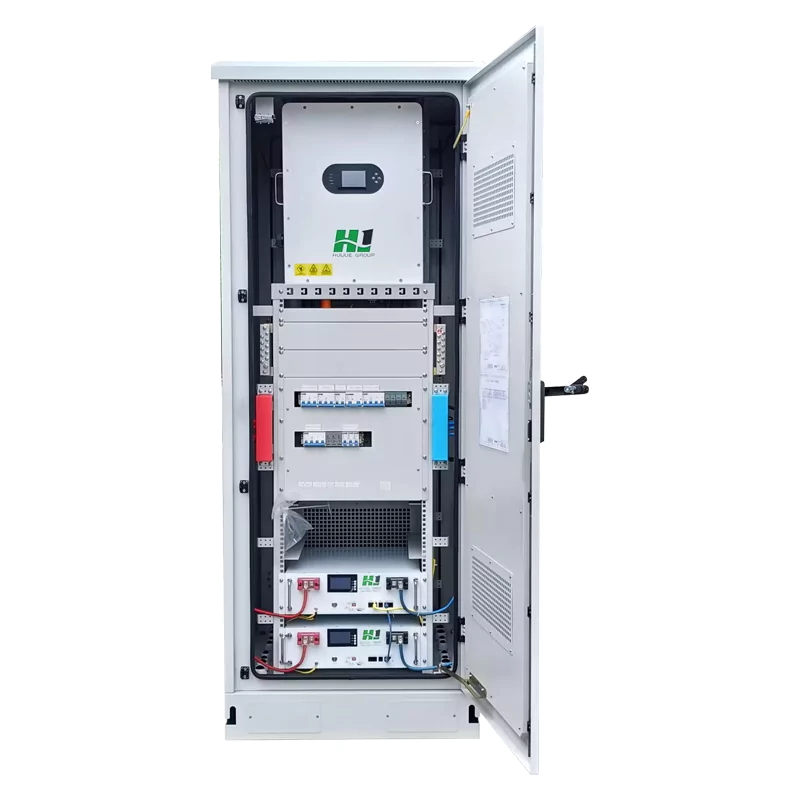
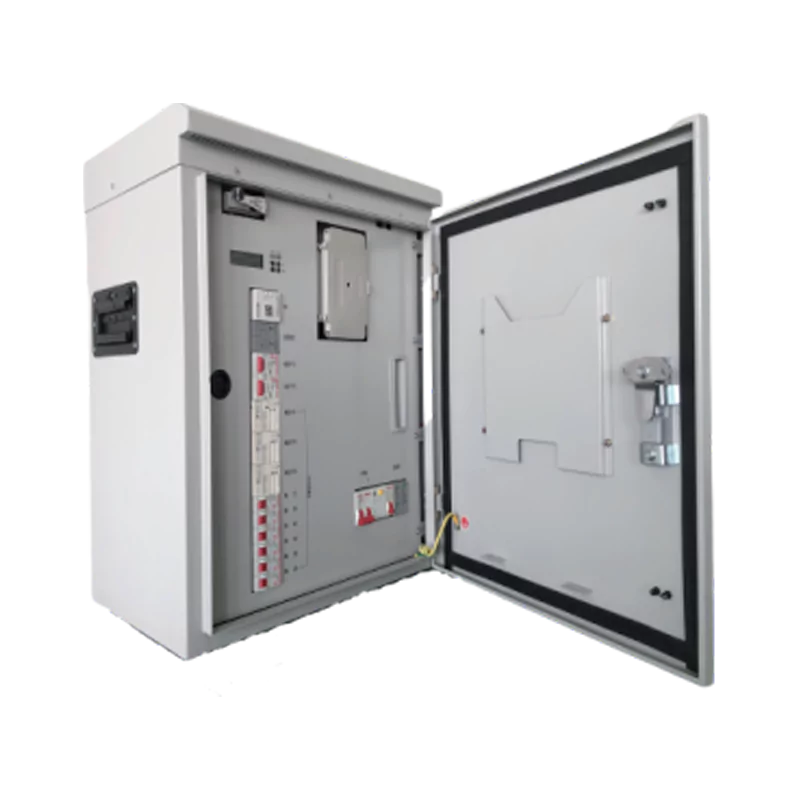
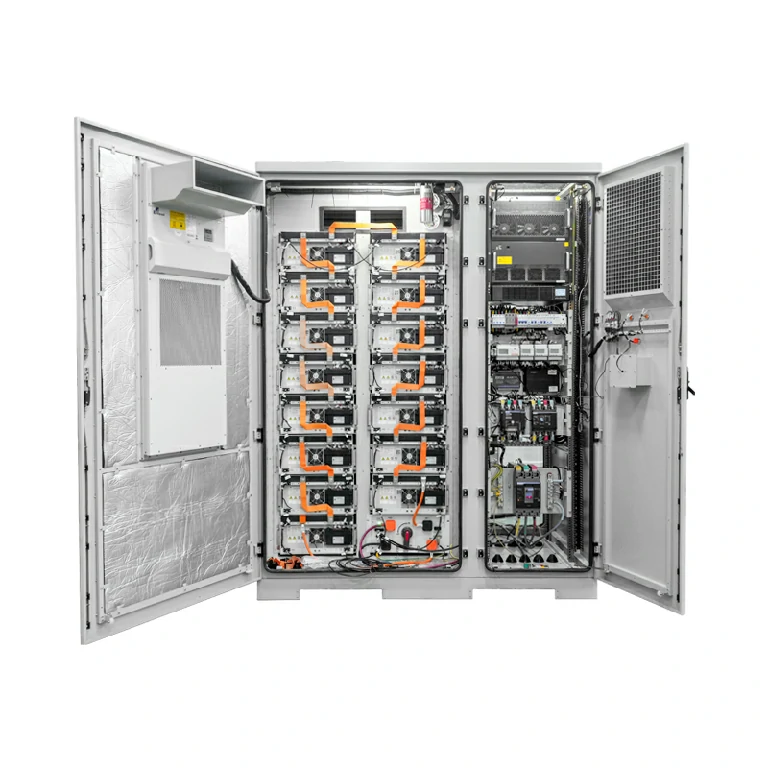

Key Design Requirements of an Outdoor Server Cabinet
Designing an outdoor server cabinet isn’t about taking an indoor rack and then adding a roof. As soon as servers leave a controlled data room, the environment becomes the principal engineering constraint. Rain, dust, heat, cold, wind-driven debris, and long-term material fatigue all shape what works and what fails. This article presents the key design requirements that actually count in the field, with a focus on reliability, maintainability, and realistic deployment conditions.
Why outdoor server cabinets require a different design mindset
Outdoor deployments often begin with the most basic of requirements: “Put the servers outside.” In practice, that means embracing the fact that temperature swings, moisture ingress, and solar load will be incessant stressors. Unlike indoor cabinets, failures are rarely sudden but rather build up silently through corrosion, seal degradation, and thermal cycling.
A server cabinet for outdoor use must, therefore, be devised to be an enclosure, rather than just furniture. It is not only a matter of protection for IT equipment today, but to ensure years of stable operating conditions with minimum possible intervention.
-scaled-e1767151278457.webp)
Weatherproofing and Enclosure Integrity
Protection against rain, dust, and other airborne contaminants
Weatherproofing is the most visible aspect, but it is also easily misunderstood. A cabinet might be “water resistant” from a marketing standpoint but fail when subjected to wind-driven rain or fine dust.
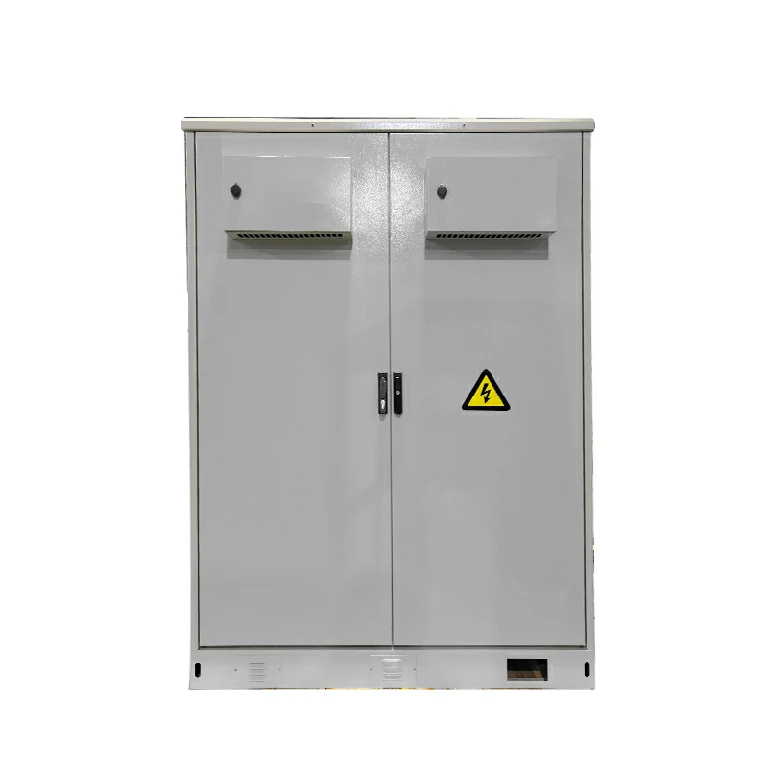
It is here that the IP-rated server cabinet comes into the picture. IP ratings provide a measure of the effectiveness that the enclosure offers in keeping out solid particles as well as water. The IP level may range from IP55 to IP65 for server cabinets that are to be installed outdoors.
However, rating factor is only part of the equation. Continuity of gaskets, compression force of the door, cable gland design, and ease of maintenance are factors that also determine the ability of the cabinet to continue to provide its rated protection levels. The potential for an otherwise well-protected enclosure to be degraded by a bad cable gland design does exist.
Structural Sealing Through the Life Cycle
Seals will age. U.V. exposure, thermal cycles, and use will degrade elasticity. A weatherproof server case must then factor in seal longevity by utilizing the proper materials for gaskets and designing the case for seal replacement without disassembling the case. Weatherproofing includes field-serviceability, not something to be considered as an afterthought.
Thermal management in uncontrolled environments
Heat rejection that is independent of indoor assumptions
Servers are constant heat generators, while the ambient temperature outdoors is neither constant nor predictable. In many regions, peak solar load occurs at a time of peak server utilization, the worst case.
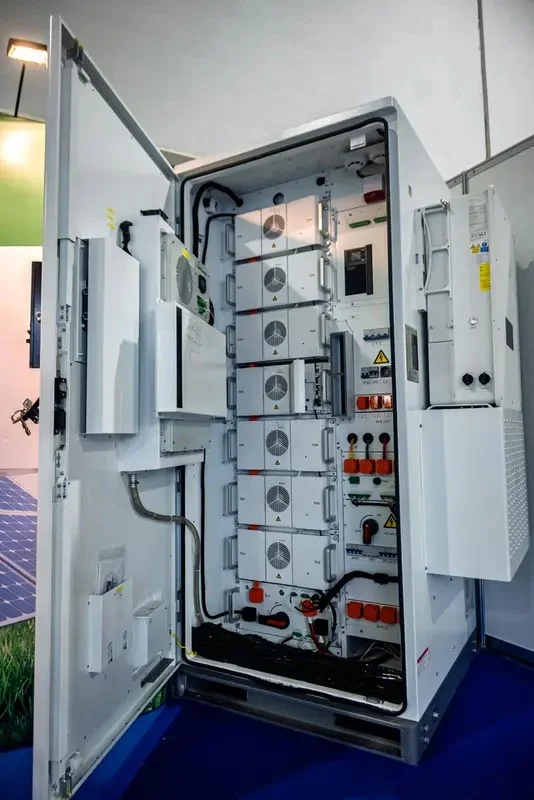
Passive ventilation may suffice in mild climates, but in practice most real deployments require thermal control via some combination of airflow management, heat exchangers, or active cooling. The cabinet layout should guide airflow in a deliberate fashion rather than letting hot air stagnate around power-dense components.
Balancing sealing and cooling
Weather protection and cooling work counter to each other. The more inhospitable the environment, the lower the enclosure strength and, consequently, the lower the strength of the cabinet. It is necessary to choose methods of cooling, which will help maintain the strength of the cabinet, rather than just install air intakes.
The mechanical structure consists of a cylinder with a
Material selection and corrosion resistance
Outdoor cabinets for servers are additionally exposed to high moisture, environmental pollutants, and in coastal areas, salt-rich atmosphere. The durability of the material will be directly affected by the choice of material. Galvanized steel, stainless steel, and aluminum alloys are preferred, and the coating system is as important as the material.
Edges, screws, or welded connections are typical locations for such weakness points. In some instances, a cabinet that appears strong at first could develop paths of corrosion months afterwards if these points are neglected.
Structural stability and mounting arrangements
A cabinet for outdoor use has to withstand the weight of the servers and the batteries and the cooling units, as well as the effects of wind and vibrating forces. Ground-based, pole, and rooftop mounts each create unique structural challenges.
A stable structure alleviates long-term stress on the seals, the hinges, and the mounting rails. Mechanical stability is thus couched to weatherproofing.
Internal design and service accessibility
Equipment density and the reality of maintenance
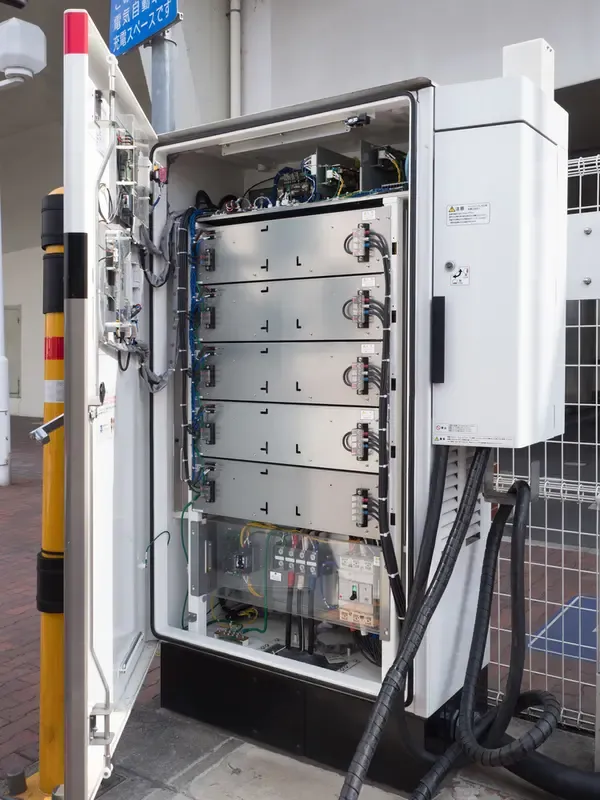
A densely packed layout may seem efficient on paper but could pose issues when actually implemented. The physical density makes it harder to allow airflow and could facilitate the possibility of errors during maintenance.
A good outdoor cabinet aims to achieve a good balance between density and uptime. Also, the environment where the technician will likely be working may be poorly lit, with inclement weather conditions, or where time is of the essence.
Functional zonation
Power equipment, server infrastructure, and heat-related components must not be treated as an undifferentiated area. Segregation of space is beneficial because heat management is easier and diagnosis is simpler. Additionally, there are no chances of an issue occurring in one system causing problems in others.
Conformity to accepted standards of design by enclosures
Using Standards as Design Guardrails
Standards do not replace engineering judgment, but they provide a baseline that prevents common design failures. The International Electrotechnical Commission addresses outdoor enclosure design explicitly.
The International Electrotechnical Commission’s publication IEC 61969-1: Outdoor enclosures – Design guidelines explains that outdoor enclosures must be designed to withstand environmental stresses such as temperature variation, precipitation, solar radiation, and mechanical loads, while maintaining functional integrity of the installed equipment. This guidance reinforces the need to treat the cabinet as a system, not just a shell, and to evaluate environmental exposure as a core design input rather than a secondary consideration.
Converting standards into actual choices
In reality, this entails establishing the environment for the deployment from the outset. City roadside cabinets, industrial locations, and coastal stations all carry distinct risk levels. Standards are helpful in establishing parameters that can address such differences, ensuring designs become proactive instead of reactive.
Long-term Reliability and Long Cycle-Time Thinking
Designing for years, not months
Server rack enclosures that operate outdoors are usually deployed in environments where replacing them is costly. In matters of reliability, even the tiniest details matter, including hinge strength, lock effectiveness, water drainage routes, and upgradability of internal components while retaining airtight seals.
A weather-resistant server cabinet that frequently opens its doors will deteriorate before one that opens occasionally to be monitored from a remote location because servers in the former need more frequent maintenance.
Cost optimization versus failure cost
It would be easy to fall back on optimizing for lower up-front costs, particularly in scaled-out environments. Yet the cost of failing a cabinet in the field will likely exceed any savings from using a lower-cost housing. Design specifications will need to be weighed against the overall cost of ownership.
Conclusion
A good outdoor server rack comes from compromises, not hype. Waterproofing, cooling, ruggedness, and maintainability are interrelated. Trouble in one area will reveal troubles in all others.
From an engineering and project management perspective, it boils down to this: start with your environment, honor enclosure design, and check decisions against recognized standards. This increases success when deploying to environments and transforms an outdoor cabinet from a potential source of problems into a solid part of your infrastructure.