
What Makes an Outdoor Battery Cabinet Ideal for Energy Storage and Telecom Use?
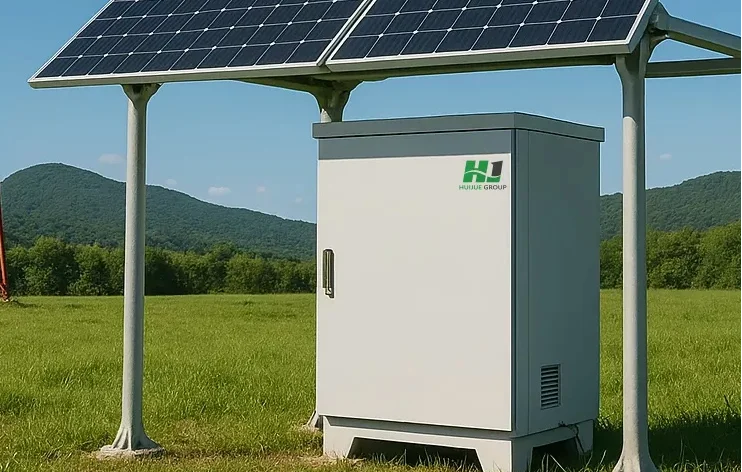
In the critical infrastructures of modern energy grids and telecommunications networks, reliability is non-negotiable. Outdoor battery cabinets form the backbone of this reliability, providing essential backup power for telecom sites and enabling key functions like peak shaving and renewable integration for energy storage. However, an ideal outdoor battery storage cabinet is far more than a simple metal enclosure. It is a fully integrated, intelligent system engineered to protect valuable assets and ensure decades of flawless operation in the harshest environments. Here are the key elements that define its excellence.
1.Unyielding Environmental Protection and Ruggedness
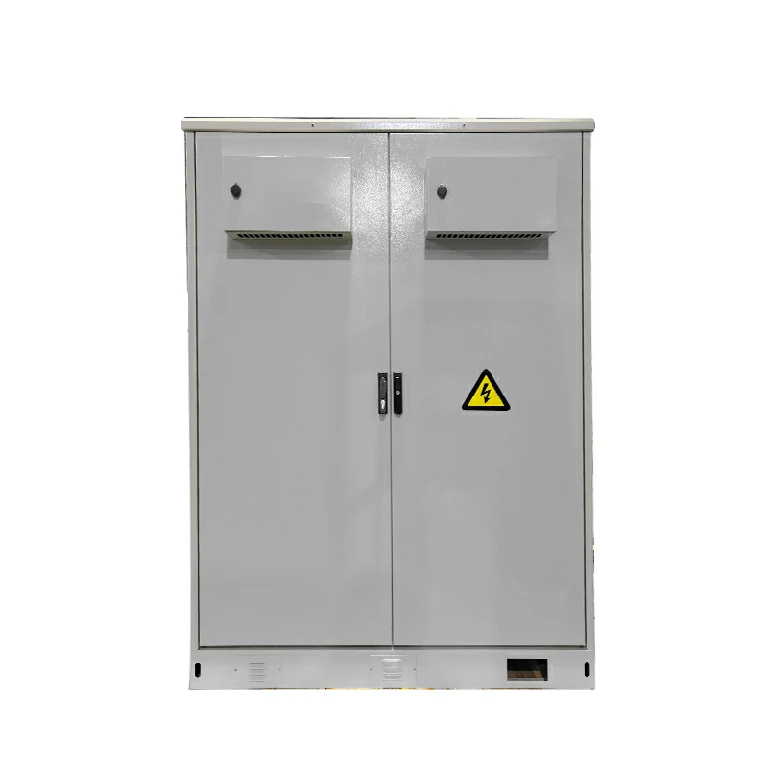
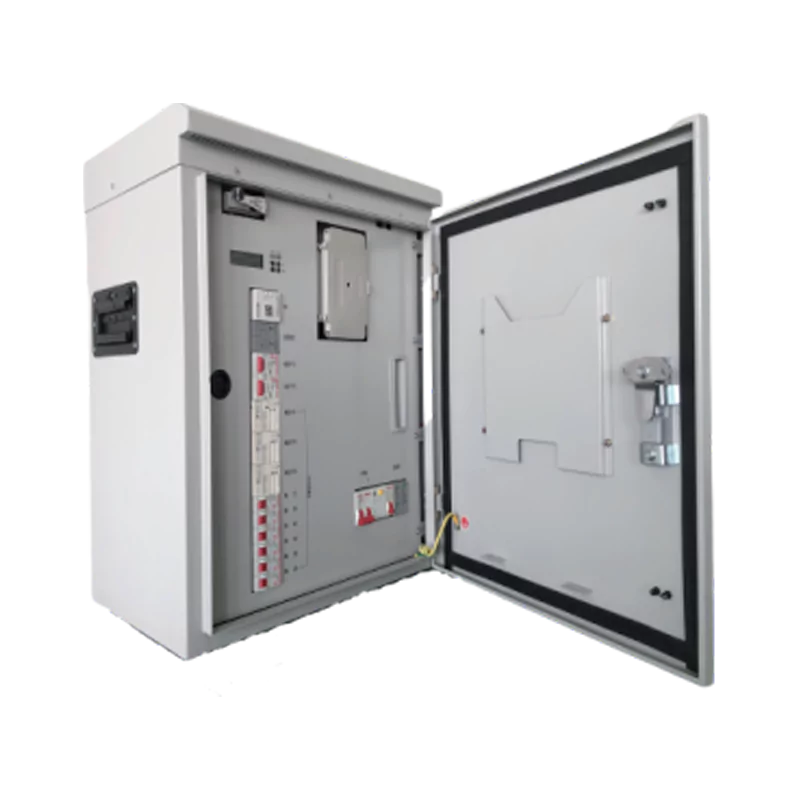
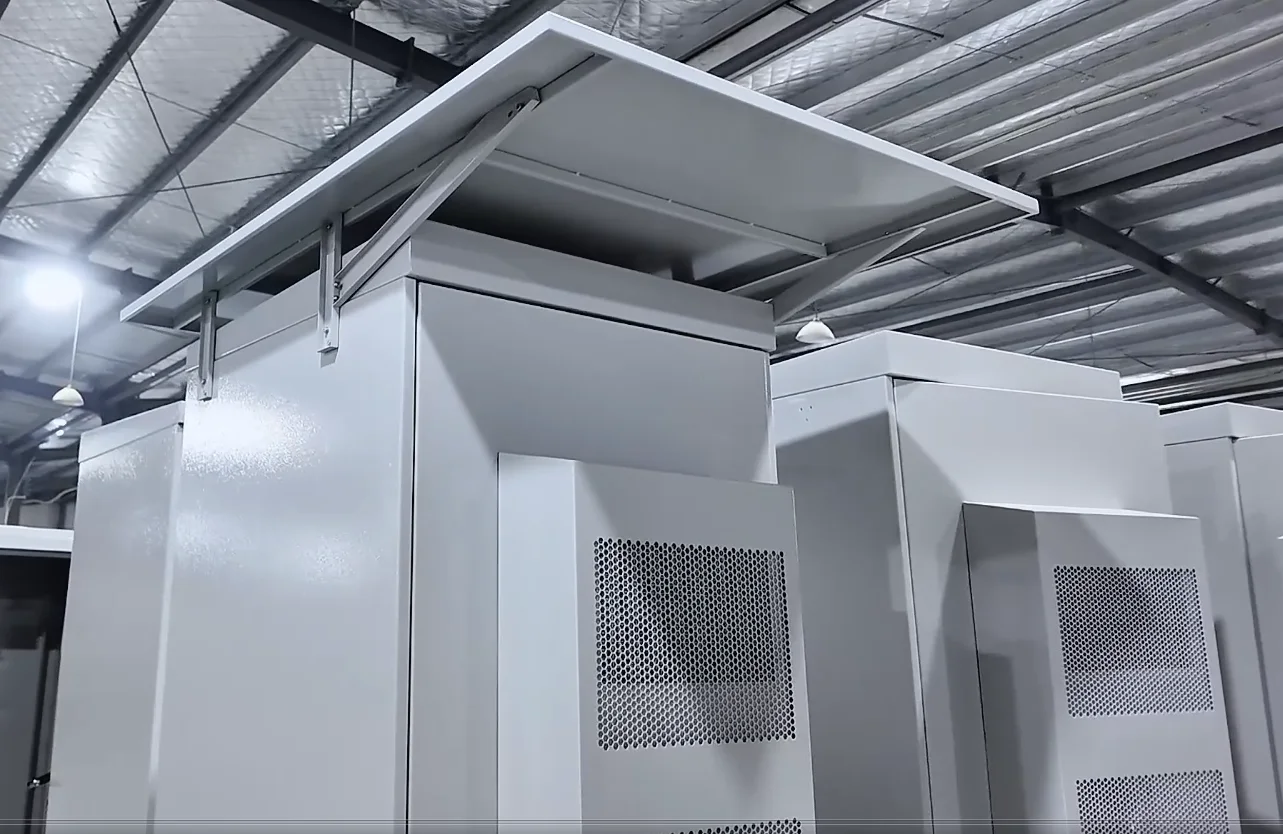
The first line of defense is the cabinet’s physical shell. A true weatherproof battery cabinet must be constructed from heavy-gauge, galvanized steel or aluminum with a high-quality powder-coated finish to resist corrosion, UV radiation, and chemical exposure. For the highest assurance, an IP65 outdoor battery box provides complete protection against dust ingress and low-pressure water jets from any direction, securing the system against driving rain, snow, and dust storms. Furthermore, robust locking mechanisms and reinforced structures provide vital physical security, making the unit a formidable outdoor battery enclosure for telecom in vulnerable, unattended locations.
2.Precision Thermal Management: The Heart of Longevity
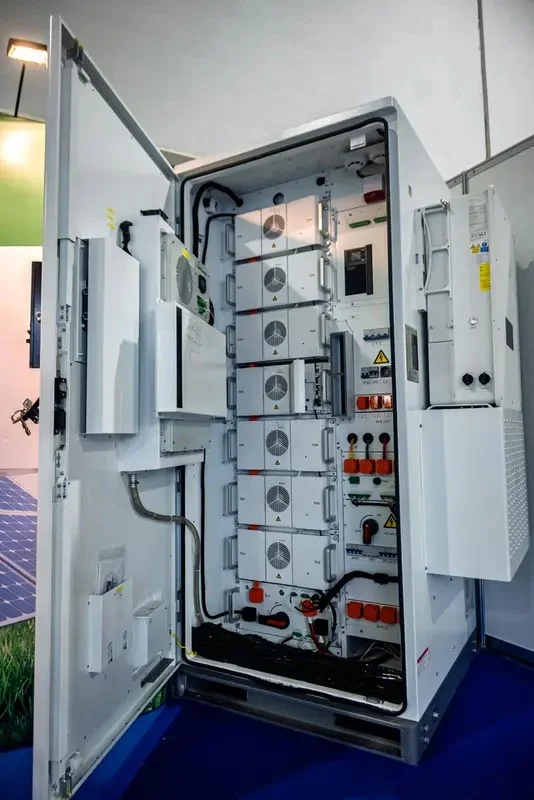
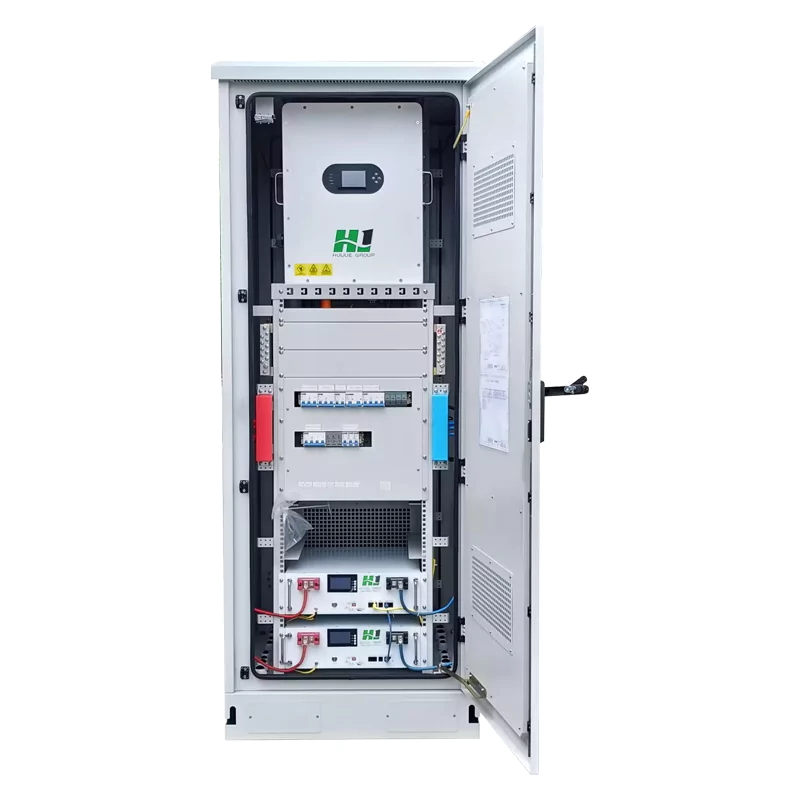
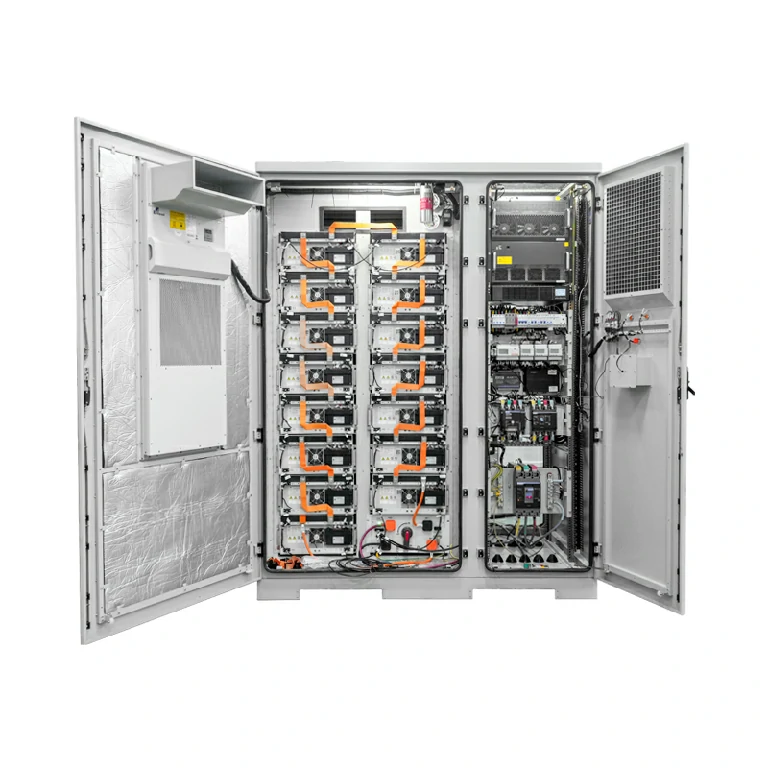
Perhaps the most critical subsystem, thermal management directly dictates battery performance, safety, and lifespan. Lithium-ion batteries, now the industry standard, operate optimally within a narrow range of 15°C to 25°C. An ideal energy storage battery cabinet outdooremploys an active climate control system—such as an integrated high-efficiency HVAC unit or thermoelectric cooler—to maintain this range despite external temperatures swinging from -30°C to +50°C. This active system, complemented by proper insulation, prevents capacity loss and catastrophic thermal runaway, ensuring the battery’s 10-15 year design life is fully realized, whether for cyclic energy storage or standby telecom duty.
3.Comprehensive Safety and Compliance Systems
Safety is paramount. Internally, cabinets must be equipped with automated fire suppression systems(e.g., aerosol or clean agent) and ventilation to dissipate any potentially flammable off-gases. Electrically, they incorporate surge protection devices (SPD) to guard against lightning strikes, proper grounding, and advanced arc-fault detection. Compliance with stringent international standards like UL 9540for energy storage systems and IEC 62485 for battery safety is a fundamental requirement for any certified outdoor battery cabinet, ensuring global market acceptance and risk mitigation.
4.Intelligence, Monitoring, and Seamless Integration
The modern ideal cabinet is “smart.” It seamlessly integrates with the battery’s own Battery Management System (BMS), providing granular data on cell voltage, temperature, state of charge, and health. Crucially, it features built-in sensors and communication gateways (4G/5G, Ethernet, IoT) for remote SCADA monitoring. This allows operators to monitor door status, internal humidity, smoke detection, and all BMS data in real-time from a central network operations center—a non-negotiable feature for managing thousands of remote sites using an outdoor battery enclosure for telecom.
5.Design for Serviceability and Future-Proofing
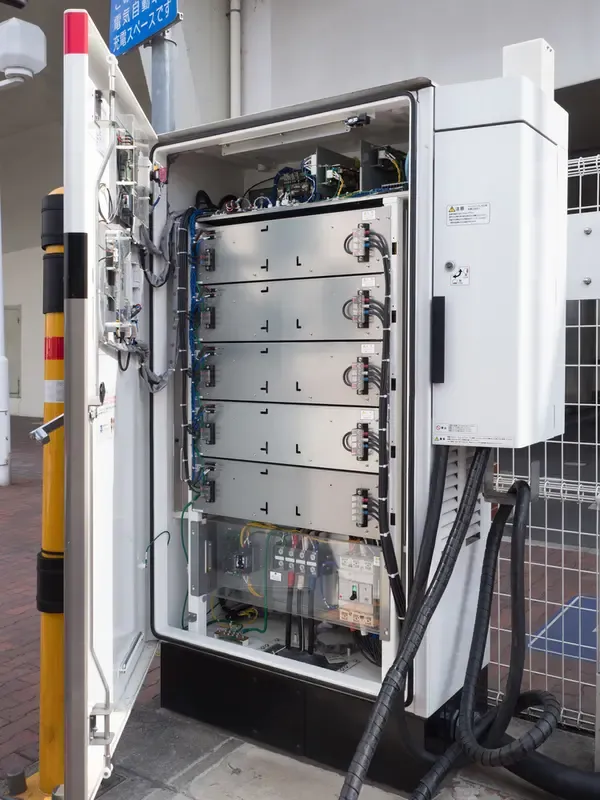
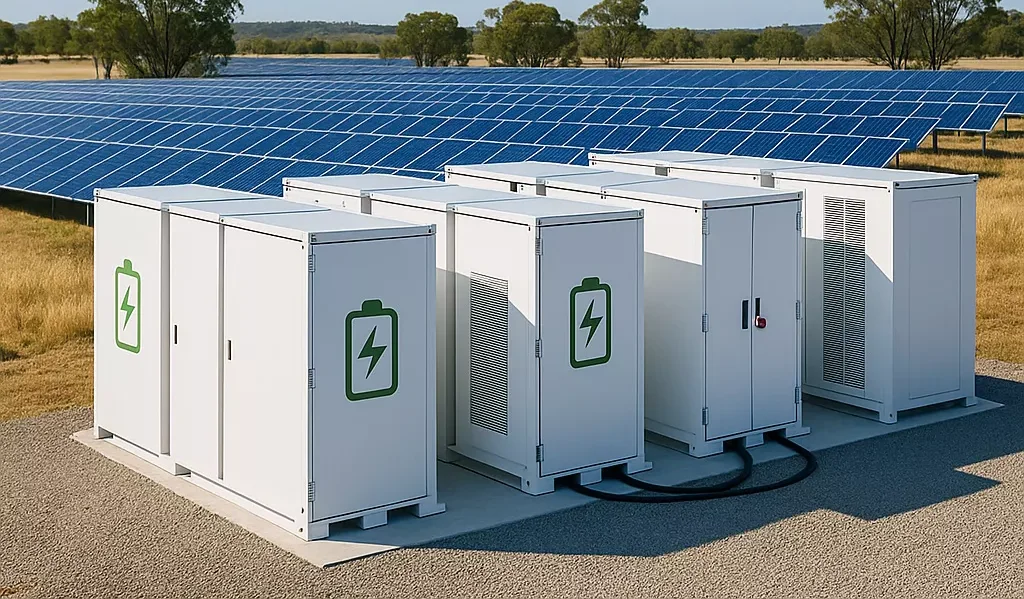
Maintenance must be efficient and safe. A modular outdoor battery storage cabinetdesign with slide-out battery trays allows for easy installation, replacement, and potential expansion. Ample internal space ensures proper airflow, clear cable routing, and safe technician access. Front-access designs are particularly valued for minimizing the physical footprint on crowded site pads, a key consideration for both energy storage and telecom deployments.
Application-Specific Optimizations
While the core principles remain, the ideal cabinet is tailored to its primary duty:
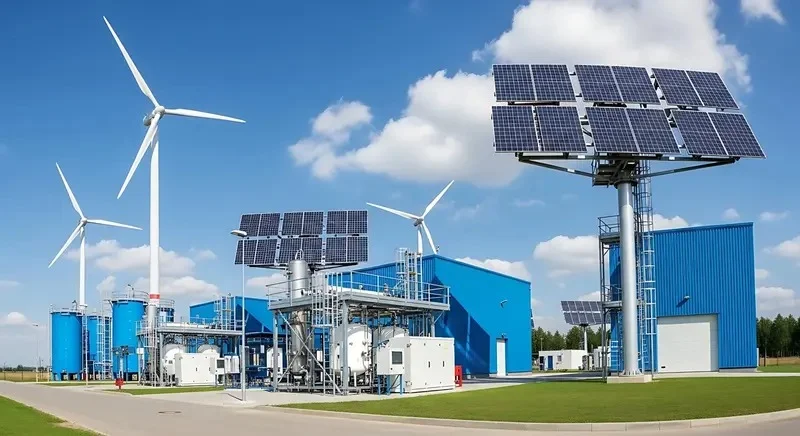
For Energy Storage Systems (ESS): The focus is on energy density, scalability, and cycle life. An energy storage battery cabinet outdoor is often a modular component of a larger containerized solution, designed for daily, deep charge/discharge cycles. It prioritizes seamless integration with inverters and advanced grid-support functionalities.
For Telecommunications: The driving force is uninterruptible power availability (the “five nines” or 99.999% uptime). An outdoor battery enclosure for telecom provides backup power for DC plants (typically -48V) and is optimized for float service with occasional deep discharges. Its design emphasizes extreme reliability, compact footprints for crowded shelters, and superior remote diagnostic capabilities to minimize operational expenses.
Conclusion: From Enclosure to Essential Intelligent System
In summary, the ideal outdoor battery cabinet is a ruggedized, climate-controlled, and intelligent platform. Whether specified as a weatherproof battery cabinet for general use, an IP65 outdoor battery box for extreme moisture resistance, or an application-optimized unit for telecom or grid storage, it performs three vital functions: protecting the battery from the environment, protecting the environment from the battery, and extending the battery’s useful life through precise management. By integrating core mechanical, environmental, and electrical protections with digital intelligence, the modern outdoor battery storage cabinet transforms from a passive container into an active, mission-critical component of our global power and communication infrastructure.