
How to Cool an Outdoor Cabinet Effectively
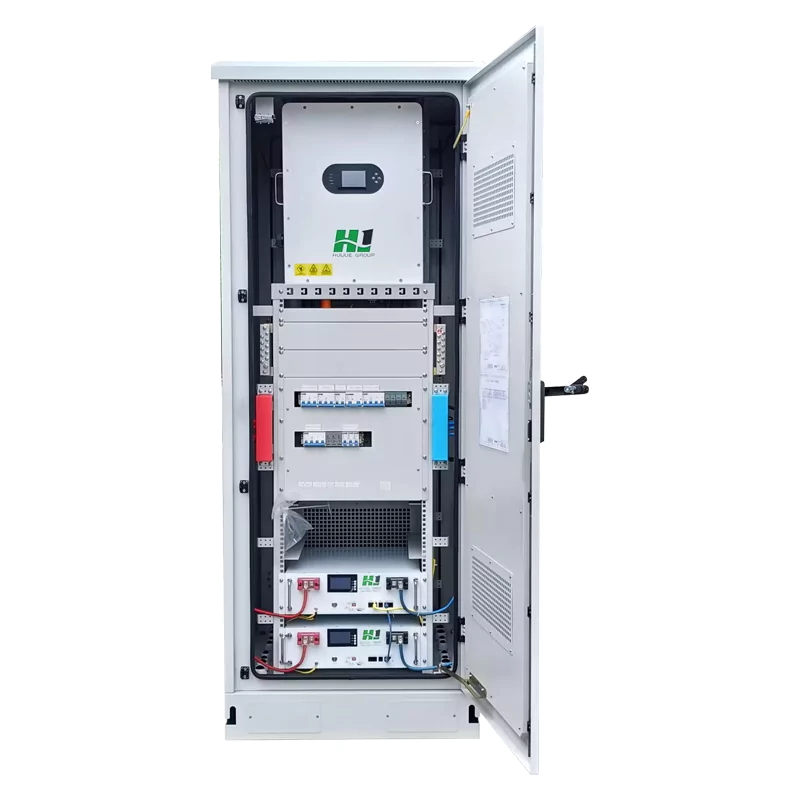
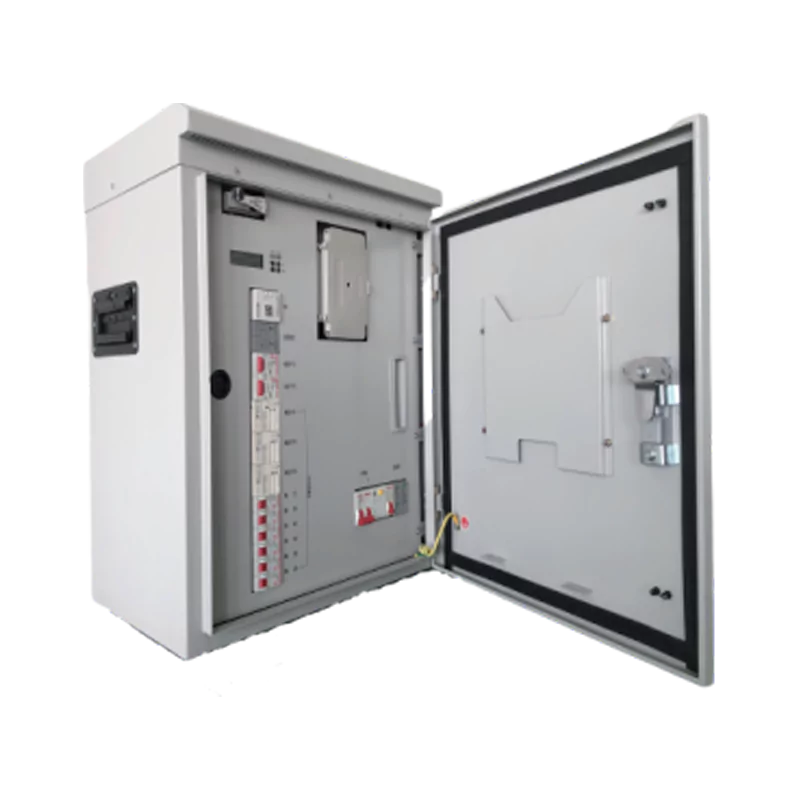
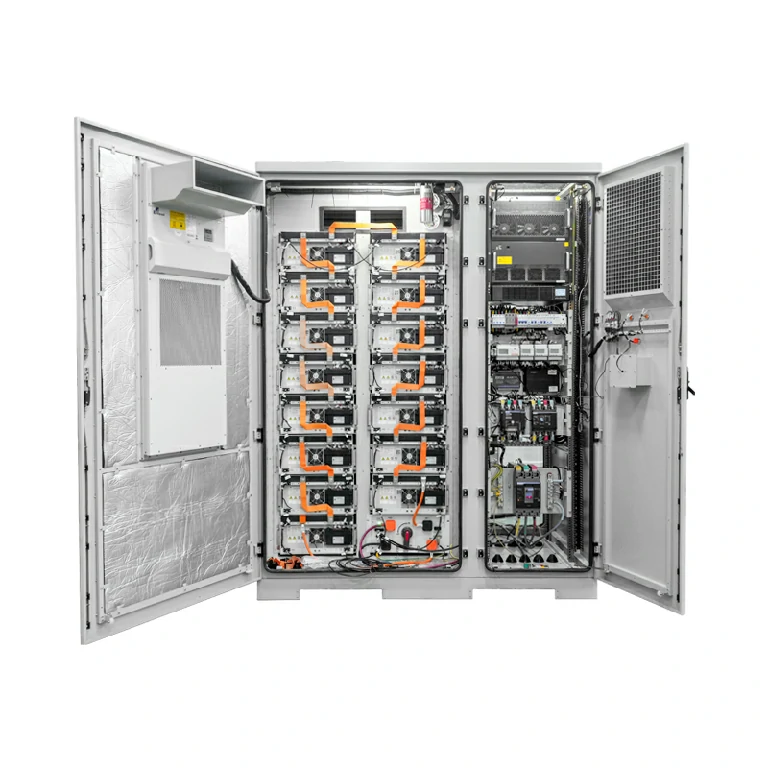
It’s not just a matter of sticking a fan or vent in the cabinet, either. Whether it’s an outdoor telecom cabinet or an energy storage cabinet, overheating can have a direct impact on the lifespan and performance of the equipment.
For many outdoor installations, overheating is not caused by extreme environmental conditions, but rather poor thermal design.
Why Outdoor Cabinets Overheat So Easily
Outdoor cabinets are much more susceptible to thermal overheating than indoor systems, thanks to direct sunlight, poor airflow, and the fact that they are essentially closed systems.
Solar Radiation and Heat Trapping
A cabinet exposed to sunlight can have surface temperatures much higher than the ambient air. Cabinets with dark-colored enclosures are particularly prone to this. Once heat is introduced, it is often retained because of poor ventilation.
Internal Heat Generation
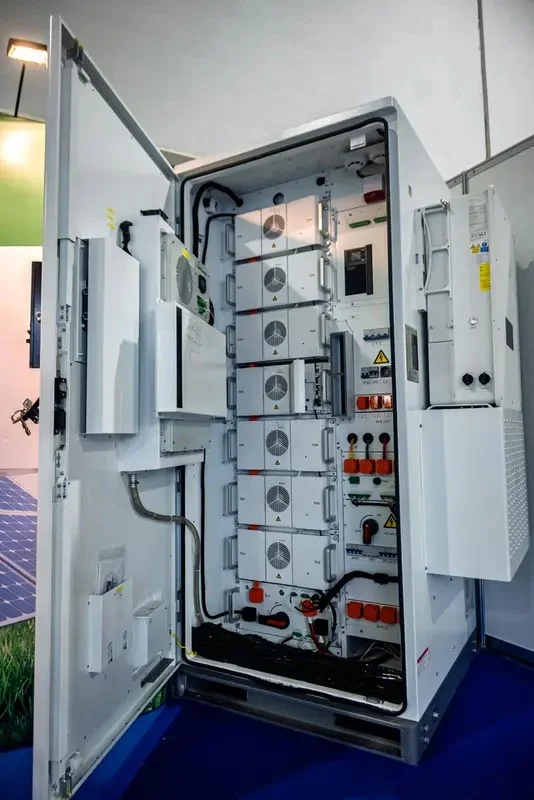
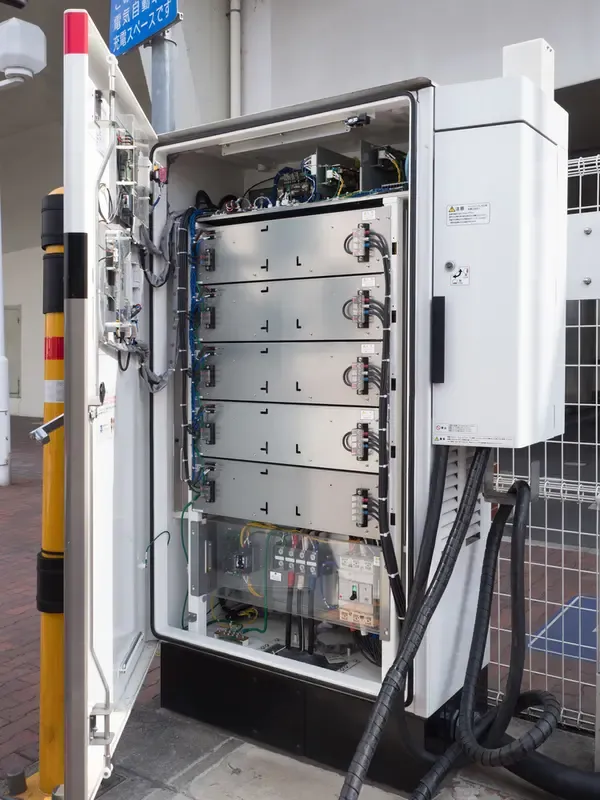
The heat generated by devices in the cabinet, such as batteries, power modules, and communication devices, is continuous. This heat load is relatively constant in an outdoor telecom cabinet. In an energy storage cabinet, it can be variable, depending on the charge/discharge cycles.
The National Renewable Energy Laboratory’s publication Thermal Management of Batteries for Energy Storage Systems shows that unmanaged heat in battery systems accelerates degradation and reduces operational efficiency, making thermal control a critical design factor.
Passive Cooling Methods for Outdoor Cabinets
It is always best to begin with passive cooling as this minimizes energy usage and maximizes reliability as there are no moving parts.
Reflective Coatings and Cabinet Color
Reflective coatings or using light-colored cabinets can greatly reduce the amount of solar energy entering the system. This is one of the easiest but most neglected options.
Natural Ventilation Design
Vents are strategically located to allow hot air to escape using natural convection by using low inlets and high outlets. However, this only works effectively if the outside air temperature is less than the internal heat level.
Double Wall or Insulated Structures
Insulation or the addition of a second wall can act as a thermal barrier between the outside and the system. This slows down the transfer of temperature from the outside to the system and regulates the temperature fluctuations inside.
It is possible that passive techniques can be effective in environments with moderate temperatures but are likely to be inadequate in hot environments.
Active Cooling Solutions for Outdoor Telecom Cabinets
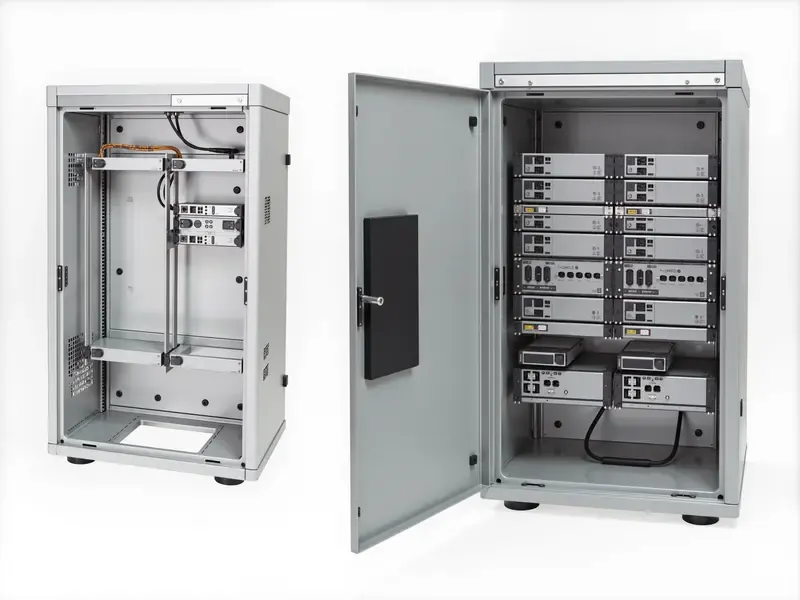
If passive cooling is insufficient, active cooling solutions are required. These are based on the availability of power, environmental factors, and sensitivity of the equipment.
Forced Air Cooling (Fan Systems)
Fans are the most popular choice. They enhance the circulation of air and accelerate the removal of hot air. However, there are issues with dust and moisture that may be introduced using this method unless filters are used in conjunction with the fan.
Heat Exchangers
These are air-to-air heat exchangers that transfer heat from the inside of the cabinet to the outside. They are normally used in environments where there is dust and moisture. In such environments, it is desirable to have closed systems.
Air Conditioners for Precision Cooling
If there is a requirement for precise temperature control, air conditioners are normally used. They are popular in outdoor telephone cabinets where the availability of the equipment is critical.
Cooling Strategies for Energy Storage Cabinets
Energy storage cabinets are another set of concerns because of the sensitivity of the batteries used in them and the safety concerns associated with them.
Temperature Uniformity Matters
It is not merely a question of cooling, but rather the uniformity of temperature distribution. This is another important aspect that has been ignored in the past, and it is crucial for ensuring the longevity of the battery cells used in these systems.
Liquid Cooling vs Air Cooling
While air cooling is simpler and cheaper, it is not as efficient as liquid cooling in the case of such density systems. On the other hand, liquid cooling is effective, but it makes the system much more complex as a result.
Safety-Driven Thermal Design
Thermal runaway is another major concern in the case of battery systems, and it has been pointed out by the National Renewable Energy Laboratory that it is crucial for ensuring the safety and longevity of these systems. This is another aspect that has been ignored in the past, and it is crucial for ensuring effective thermal management in these systems.
Choosing the Right Cooling Method
Not every outdoor cabinet needs the same approach. The optimal solution depends on several practical factors.
Key Decision Factors
| Factor | Impact on Cooling Choice |
| Climate | High temperatures require active cooling |
| Equipment Load | Higher heat output demands stronger systems |
| Cabinet Size | Larger volumes need more airflow or capacity |
| Maintenance Access | Complex systems require regular servicing |
Practical Combinations
In most practical situations, hybrid solutions will be optimal. For example:
- Reflective coating + ventilation for low load cabinets
- Heat exchanger + fans for telecom installations
- Air conditioning + insulation for energy storage
The key is to strike a balance.
Common Mistakes to Avoid
Most cooling problems are caused by mistakes in the design, not by a lack of available technology.
Omitting Air Flow Path
Just adding fans without specifying the path of airflow is not sufficient.
Omitting Correct Sizing of Cooling Systems
What is sufficient in spring may not be sufficient in summer. Always plan for worst-case scenarios.
Omitting Maintenance
Filters get clogged, fans get old, cooling efficiency deteriorates with time. Maintenance planning is part of thermal design.
Build for Real Conditions, Not Ideal Ones
The goal of cooling the outdoor cabinet is ultimately about consistency, not just performance at its best. If the system works only at times and not at other times, then it is not effective enough.
It is best to begin with passive cooling and then add active cooling as necessary, but always with the real-world environment in mind. If the cabinet is in an extreme environment or contains sensitive electronics, then investing in a more robust cooling system can prevent future problems.
In the end, the best configurations are not always the simplest ones; the best ones are the ones that are able to handle the heat and stay consistent over time.