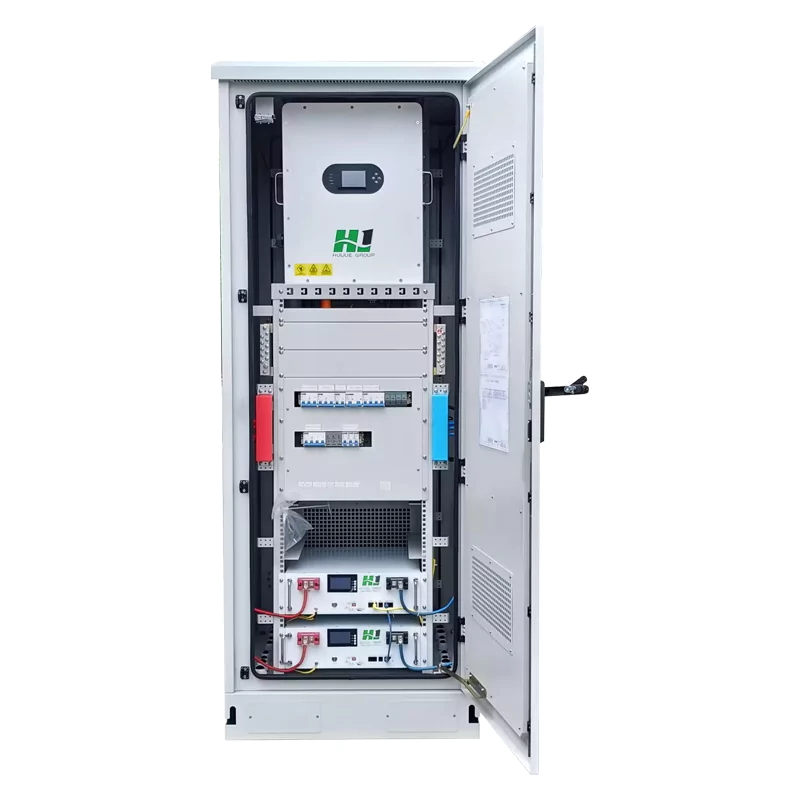
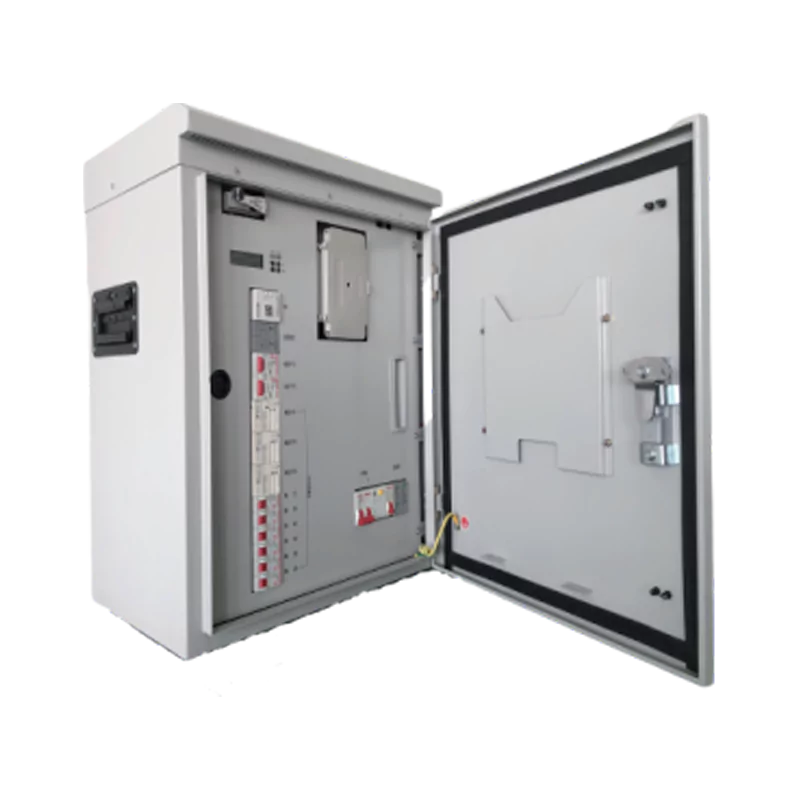
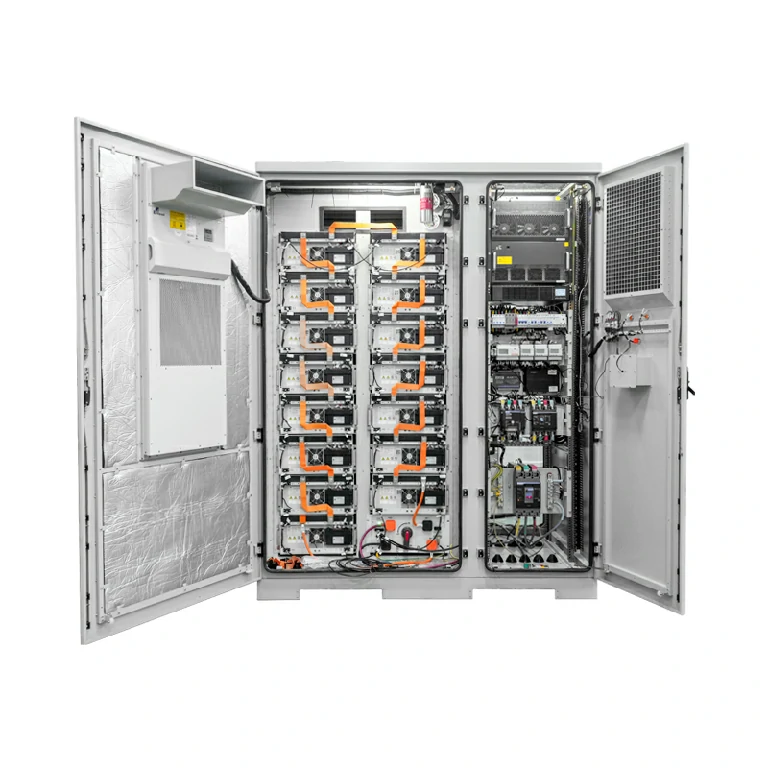

Cabinetized Energy System for 5G in Harsh African Environments
The deployment of 5G technology in Africa poses a fundamental question of how to ensure continuous power supply, considering that the reliability of power supply varies from one region to another. This is where the concept of a cabinetized energy system goes beyond mere aesthetics to become a necessity.
In the initial stages of planning the deployment of 5G technology, engineers may quickly realize that fragmented power supplies are not reliable under harsh climatic conditions. A cabinetized energy system may be a solution to this issue while at the same time being consistent with modern telecommunication deployment principles.
Why power infrastructure is the real bottleneck for 5G expansion
The success of 5G technology goes beyond mere radio technology to power availability. Power availability may be a concern in most regions of Africa.
The International Energy Agency’s publication Financing Electricity Access in Africa – Executive Summary shows that decentralized and modular energy systems are essential to extending reliable electricity access in underserved areas. This insight directly applies to telecom infrastructure, where off-grid or weak-grid scenarios are common.
Environmental stress amplifies system failure risks
The extreme heat conditions have a damaging effect on batteries. Dust intrusion causes damage to sensitive electronic components. The seasonal rains bring along moisture issues. All these issues compound over time, thereby increasing the failure rates as well as the maintenance costs.
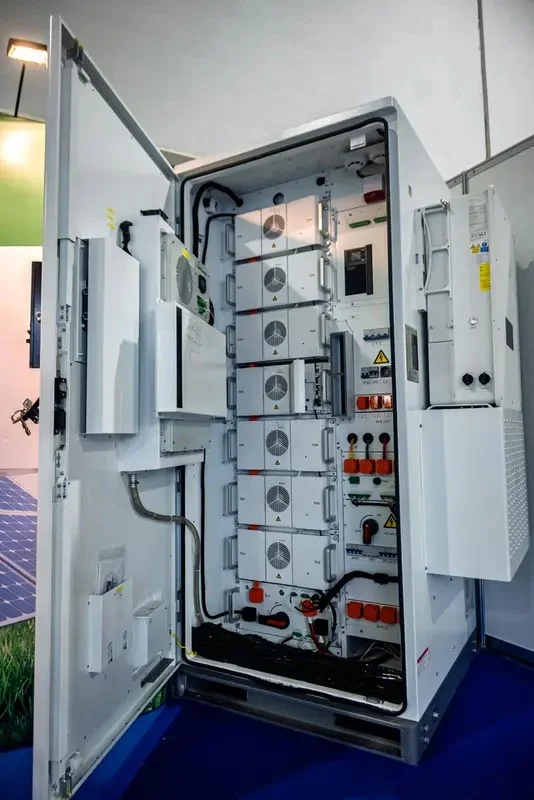
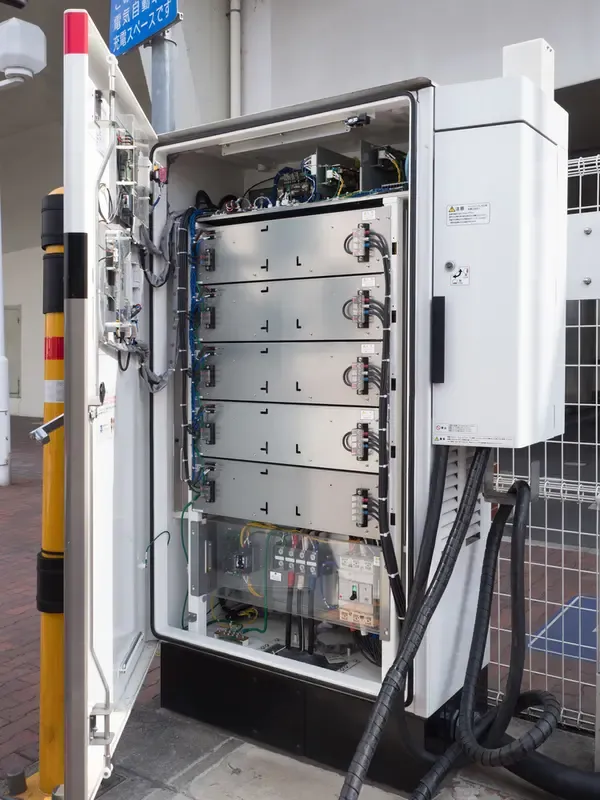
The traditional open or semi-integrated approach makes critical components more prone to these issues. On the other hand, a cabinetized approach ensures that all critical components, i.e., rectifiers, batteries, controllers, etc., are enclosed within a climate-adaptive structure.
The logistical challenges cannot be ignored
The remote location often means that people have to travel over long distances. Every component added or every subsystem exposed makes the system more complicated to operate.
The power cabinet approach makes this process much simpler. The number of steps required to deploy a system is minimized. This, in turn, reduces the risk of human error.
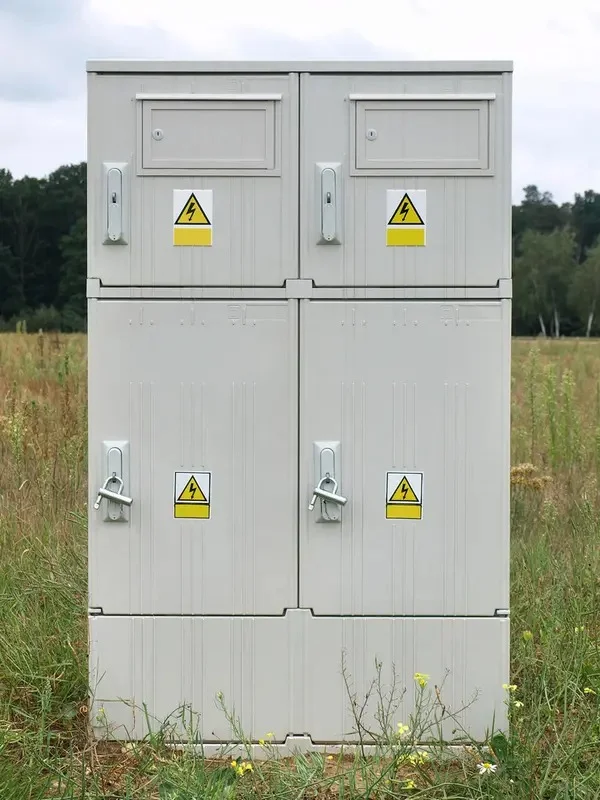
How a cabinetized energy system improves reliability
Thus, a cabinetized energy system is not just about physical enclosure. It is a move towards integration, standardization, and environmental resilience.
Instead of having to install individual power modules, the operator has a single, integrated system designed to withstand extreme conditions.
Integrated design reduces points of failure
Each point of connection in a traditional energy system is a point of potential failure. Loose wiring, incompatibility, and environmental factors all contribute to failure.
A cabinetized energy system eliminates many of these issues by integrating the components in the factory. The result is fewer points of interface and a more controlled environment.
Thermal and environmental control becomes manageable
Temperature regulation is essential to battery lifespan and power efficiency. Cabinet systems may incorporate passive cooling, ventilation design, and/or active thermal management to suit different climates.
This is especially important in regions where daytime temperatures exceed standard equipment operating limits.
Faster deployment accelerates network rollout
In a highly competitive telecom market, time is essential. With pre-configured cabinets, installation time is reduced to hours instead of days.
This is especially important in regions with ongoing development.
The role of power cabinet solution in hybrid energy systems
As the face of energy strategies continues to change, hybrid systems have become the standard in remote telecom networks.
The study titled Clean Energy Investment for Development in Africa, published by International Energy Agency, shows that scaling clean and distributed energy solutions is critical to meeting growing demand while maintaining system resilience.
Supporting solar integration and energy storage
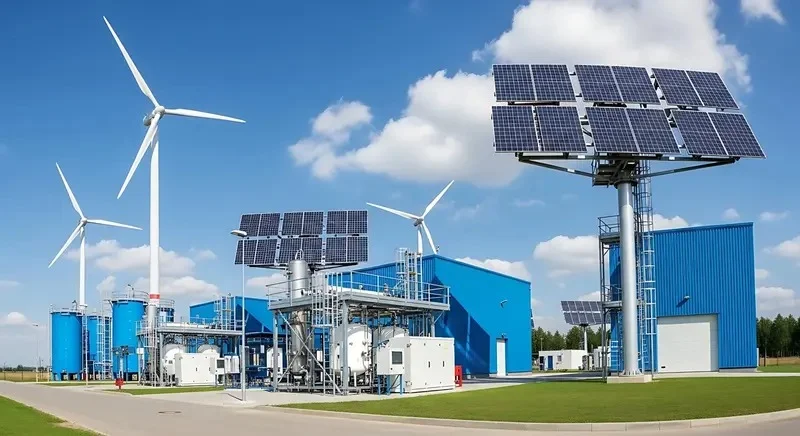
A power cabinet solution may include the seamless integration of solar charge controllers, lithium batteries, and monitoring systems in one cabinet.
This eliminates the complexity associated with hybrid configurations, ensuring the optimal utilization of renewable energy sources without compromising reliability.
Enabling Intelligent Energy Management
Smart controllers may be integrated into modern cabinet configurations, ensuring optimal energy utilization by intelligently switching between power sources depending on availability and cost.
This is important in regions where grid availability is subject to change, ensuring reduced operational costs.
Scalability to Support Future Growth
As 5G networks continue to scale, so does the power requirement. Cabinetized configurations are often modular in design, ensuring easy scalability without having to redesign the entire power configuration.
This is important in regions with high growth potential, where forecasting may change quickly.
Design considerations for harsh African environments
Not all cabinet systems are the same. In fact, when designing in an African environment, there are certain factors to consider, which are not necessarily standard.
Protection against dust and water ingress
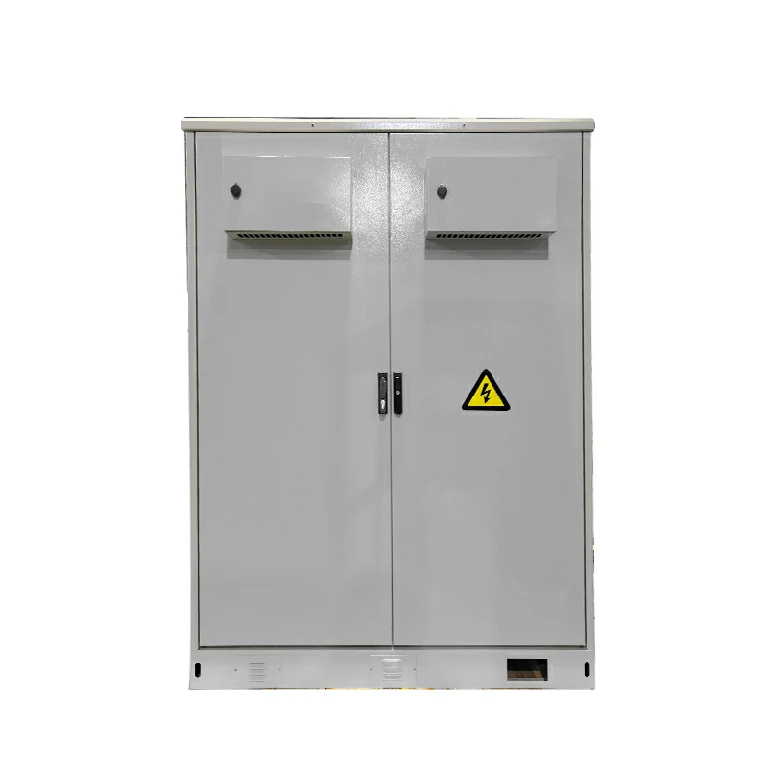
High IP-rated enclosures are a necessity. Dust, which is very fine in African countries, has a tendency to get into any poorly sealed cabinet. In addition, rains in African countries are quite heavy, which may cause short circuits.
A good design ensures long-lasting cabinet life, even in desert or tropical climates.
Corrosion resistance and materials selection
Coastal and humid regions in African countries have corrosion issues. The materials used in the design have to be able to withstand corrosion caused by exposure to moisture and salt.
Energy efficiency in extreme conditions
Efficiency losses in extreme temperatures have a major impact on the design. The design has to be optimized to give optimal output even in less-than-ideal conditions.
Practical considerations before deployment
Before making a choice on a cabinetized energy system, the site conditions, which include the environment, accessibility, and energy requirement, need to be considered.
Cost is another important factor to be considered, and in this case, the cost is not just limited to the initial investment. Cabinetized energy systems, though they may cost more to set up, may end up being cheaper in the long term.
Vendor support, remote monitoring, and compatibility with existing infrastructure are some factors to be considered.
Aligning energy design with real-world conditions
A cabinetized energy system represents a logical, secure means to support 5G rollouts in some of the most extreme environments. It overcomes the fundamental limitations that traditional power systems are unable to overcome.
If you are planning to roll out 5G networks across Africa, the first thing to consider is not which energy system to choose, but which energy system is most suited to the environment. Consider integration, environmental protection, and scalability. Consider how well this solution will reduce your operational complexity or allow you to scale up your infrastructure.
The next step is to consider auditing your target regions to assess the power issues, then consider how well this solution will mitigate these issues using a cabinetized solution.