
Cost Structure of Off-Grid Energy Storage Systems for Communication Base Stations
Off-grid energy storage systems are essential for ensuring uninterrupted power supply to communication base stations, especially in remote areas without reliable grid access. Understanding the cost structure of these systems is crucial for telecom operators aiming to optimize both operational expenditure and capital investment. The Renewable Energy-Based Energy-Efficient Off-Grid Base Stations for Heterogeneous Network study, published by MDPI, shows that energy storage and generation components account for the majority of upfront costs, while maintenance and operational costs constitute a smaller but significant portion over the system’s lifecycle.

Key Components Affecting Cost
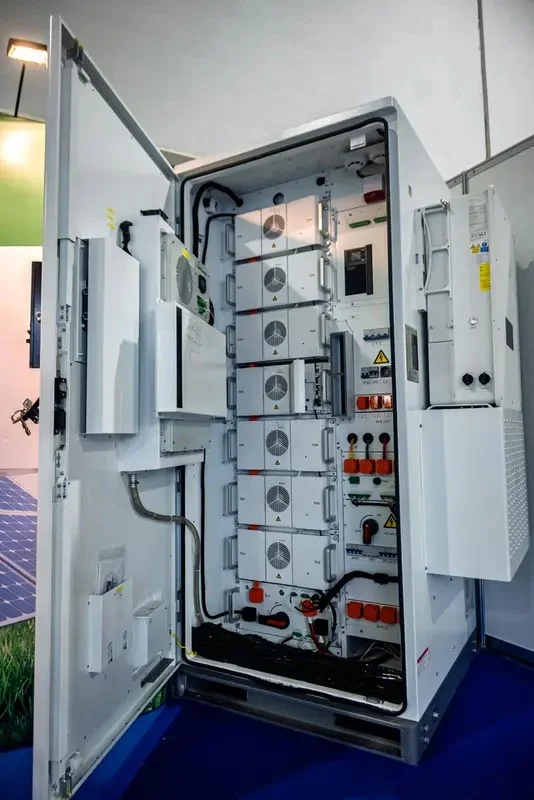
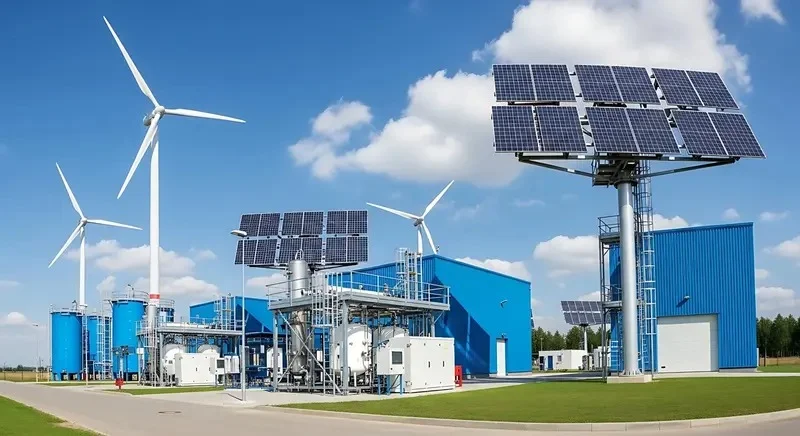
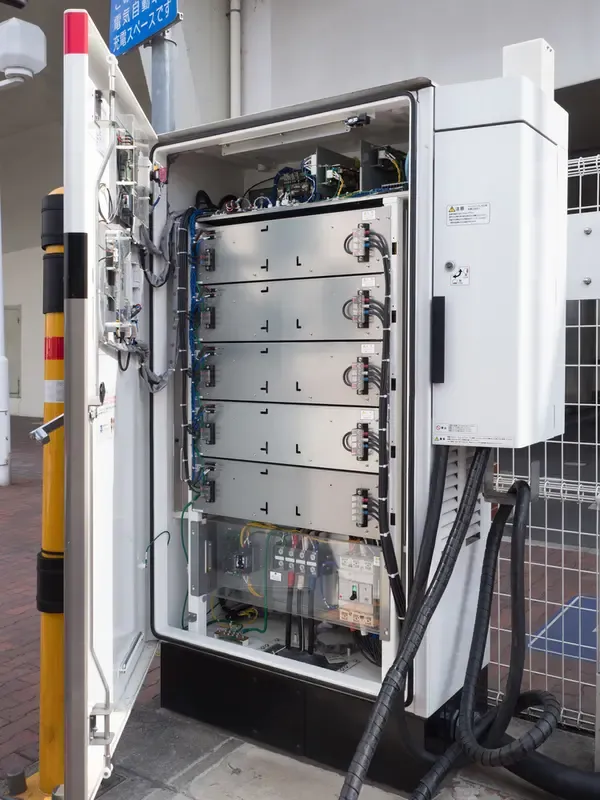
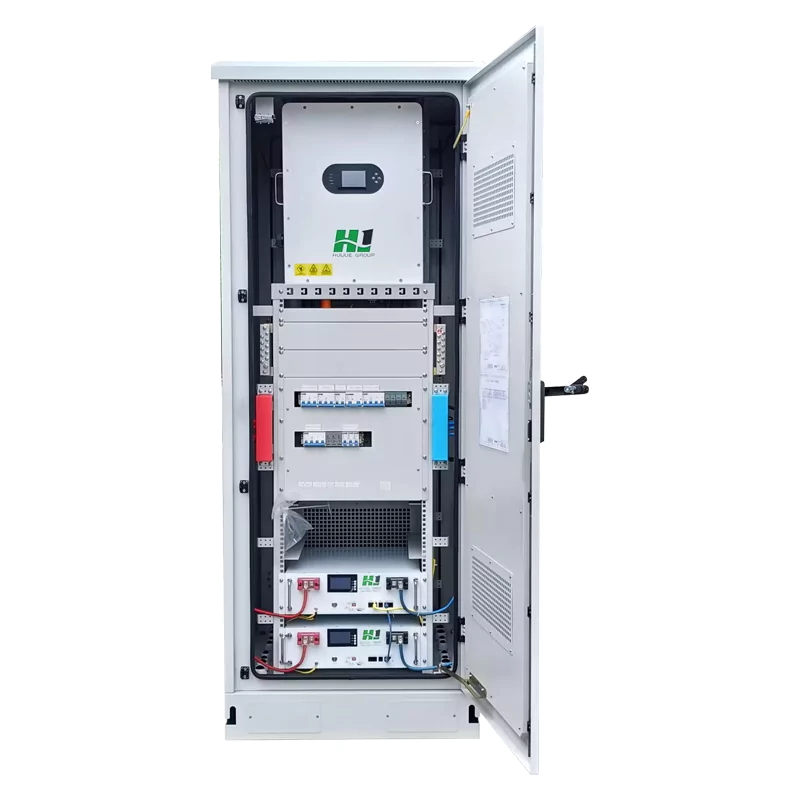
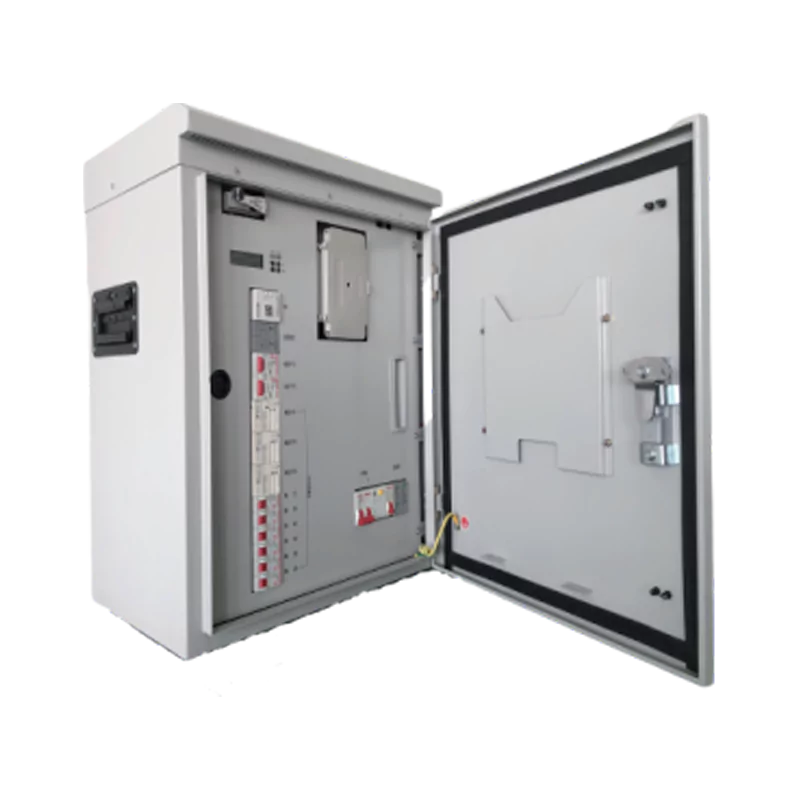
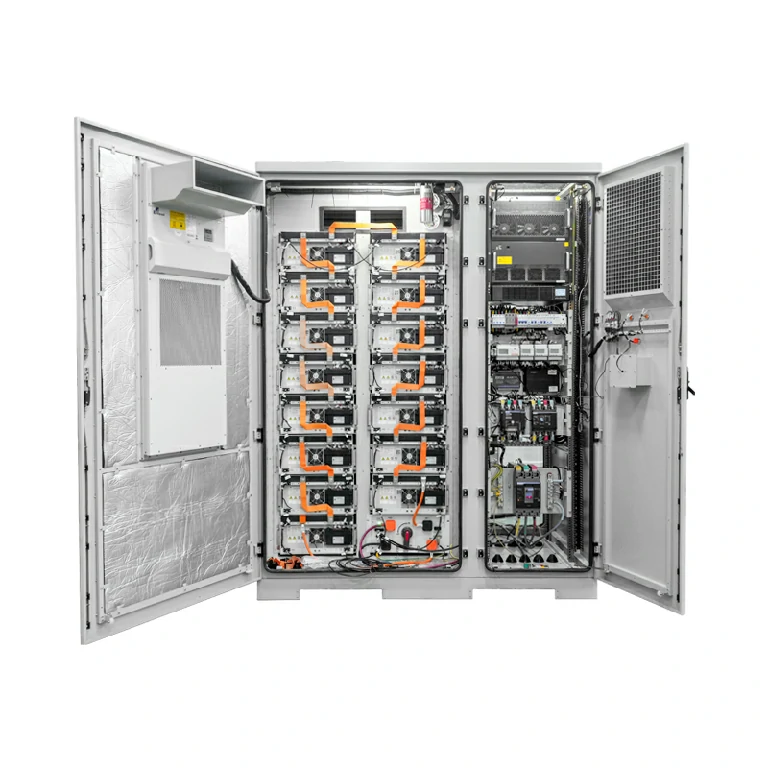
The cost structure for off-grid storage technology could be classified into three basic categories: energy production costs, storage costs, and auxiliary system costs. In terms of energy generation, there would be solar panels, wind generators, or a combination of both, but generally, PV generation dominates because of their declining cost levels and simplicity of installation. For storage devices, batteries would be installed, such as lithium-ion or lead-acid, which are chosen based on their performance and lifecycle under given conditions. In the case of auxiliary systems, power electronics, controllers, and other monitoring equipment would be used.
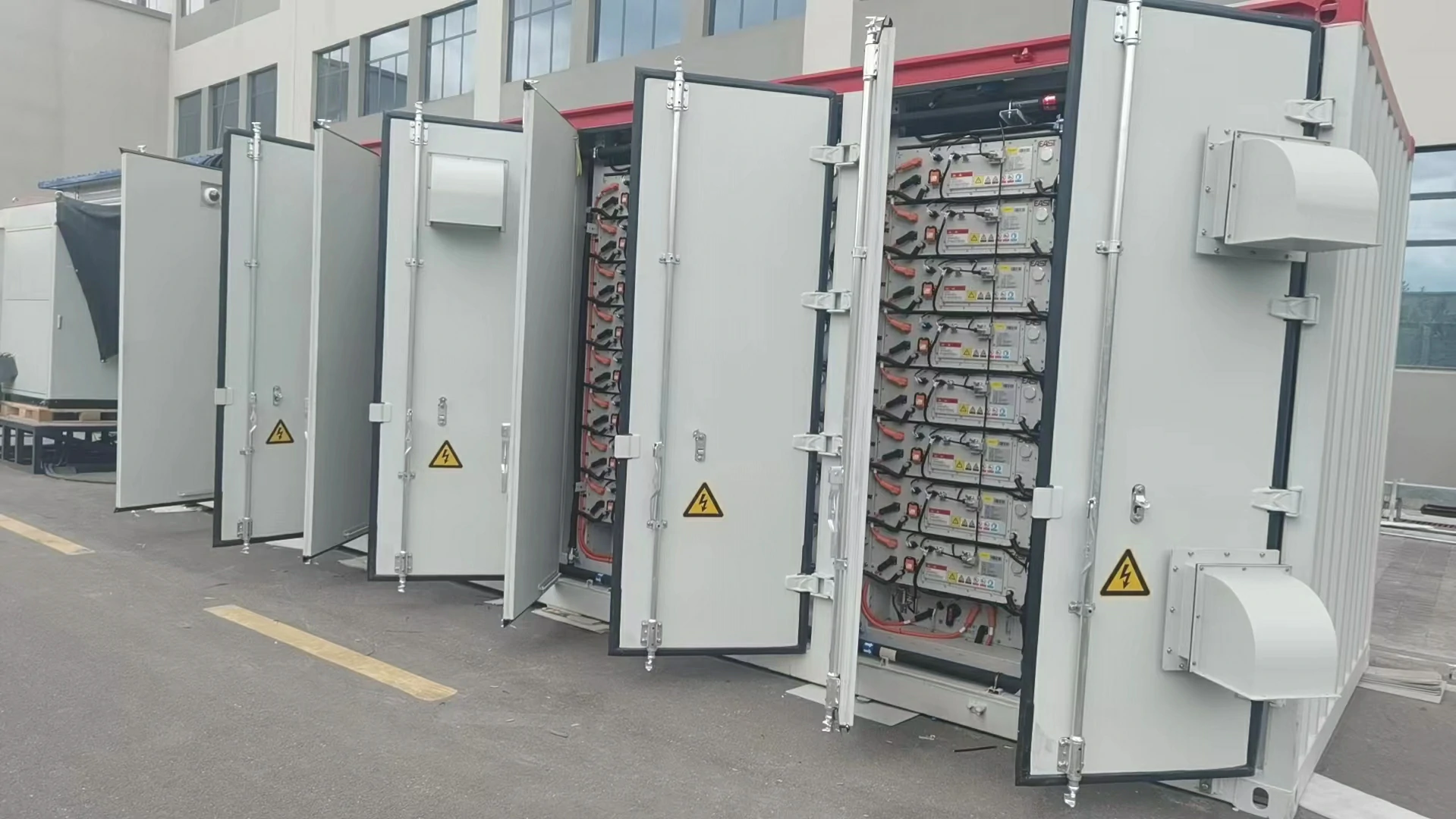
According to the findings of the MDPI study, the key determinant for CAPEX in off-grid energy storage is the size and performance level of the battery bank. The greater number of batteries would mean higher costs and greater autonomy, while lower numbers would result in lower costs and more frequent replacement.
Operational Costs and Maintenance
The OPEX covers the costs of routine maintenance, battery replacement, and minor repairs. The cost of battery replacements is the major part of OPEX, considering the finite lifetime of the batteries and their dependence on temperatures. Pre-programmed maintenance procedures can help minimize any surprise downtimes; however, this leads to the slight increase of annual operating costs.
Installation of smart monitoring systems will assist in optimizing the power consumption and extending the life of the batteries used, which is an indirect way of decreasing OPEX costs. An adaptive load management approach will allow ensuring uninterrupted communication, even if the energy supply becomes limited. Although this will require some extra costs, this will be beneficial in the long run.
Cost Optimization Strategies
The process of cost optimization requires implementing several approaches. Hybrid energy production will enable the use of different types of energy sources (including solar PV and small wind turbines). It will balance the generated energy and minimize the need for the storage battery. It is also important to pay attention to the type of the batteries selected since high-capacity lithium-ion batteries are more reliable and have higher lifetimes than lead-acid counterparts.
Predictive maintenance and real-time monitoring reduce operational interruptions and optimize energy dispatch. Intelligent energy management algorithms can extend battery life by up to 20%, resulting in measurable OPEX reduction over a system’s lifecycle, as demonstrated by the study titled Energy performance of off-grid green cellular base stations, published by Performance Evaluation.
Economic Considerations and Lifecycle Costs
A complete cost analysis should consider CAPEX and OPEX during the lifespan of the system. CAPEX entails the purchase, installation, and commissioning of generation and storage elements. OPEX considers maintenance, repair, replacement, and possible supplementing of energy. It is important for telecom companies to evaluate LCOE of various system configurations.
Several studies have revealed that an appropriate strategy requires adequate investments in quality equipment together with good operations. Excess size of the elements minimizes their failures, increasing CAPEX, whereas undersizing causes regular changes of batteries, increasing OPEX. These factors should be considered with proper cost analysis and technical data.
Conclusion
Off-grid energy storage solutions play a key role in maintaining communications in regions that lack stable grid connectivity. Capital expenditures are driven by costs associated with batteries and power generation systems, whereas operating expenses are dependent mostly on maintenance and power management techniques. A combination of power generation solutions and efficient battery sizing can help minimize costs; at the same time, maintenance and monitoring can further decrease operational expenditures.
The most important thing for telecom providers is to balance well between quality of components, efficient battery size, and proper power management techniques.