
How Much Does an Outdoor Telecom Cabinet Cost in 2025?
The outdoor telecom cabinet is key to keeping the network running smoothly outdoors in 2025, from the remote base station to the monitoring site for the smart city. But how much does one actually cost, and what are you paying for?
If you have ever wondered why prices for telecom outdoor enclosures can be so different or whether it is worth investing in a solar telecom cabinet, here is the guide that explains all of this in detail.
What is an outdoor telecom cabinet?
Before jumping into costs, let’s clarify what we are talking about.
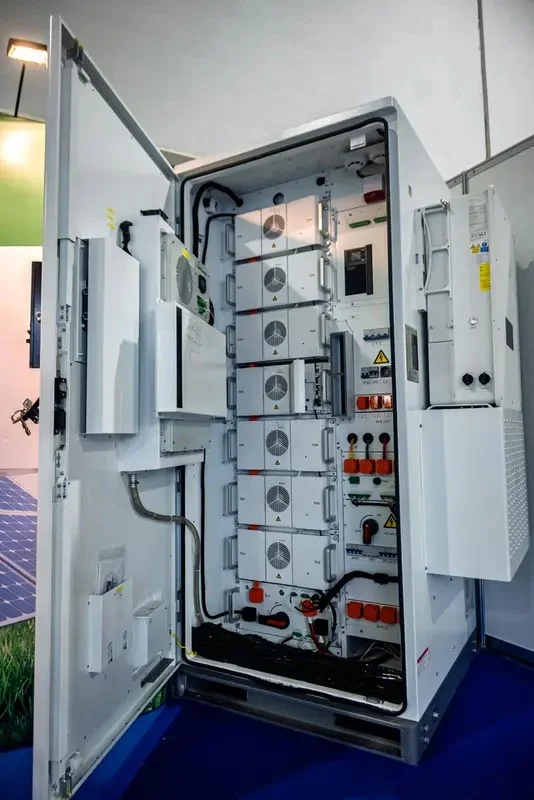
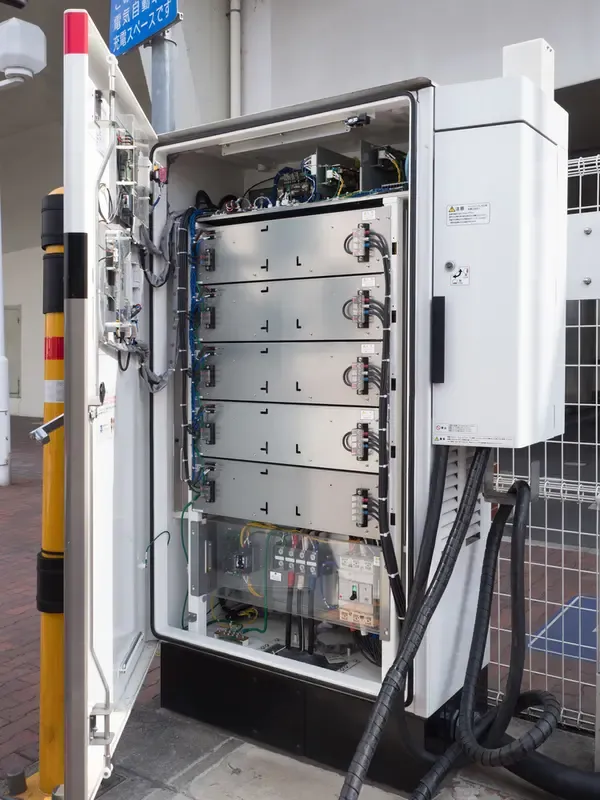
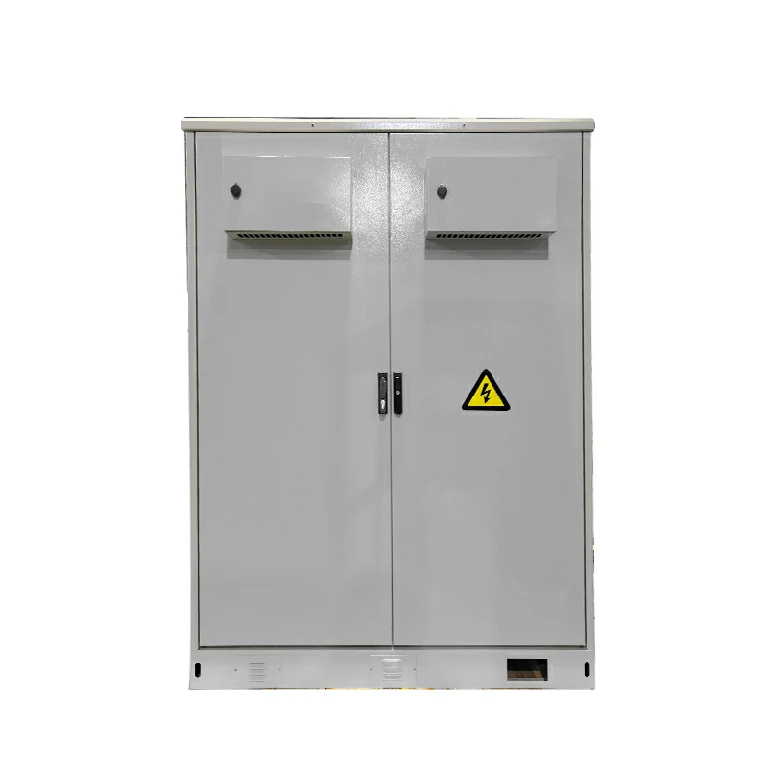
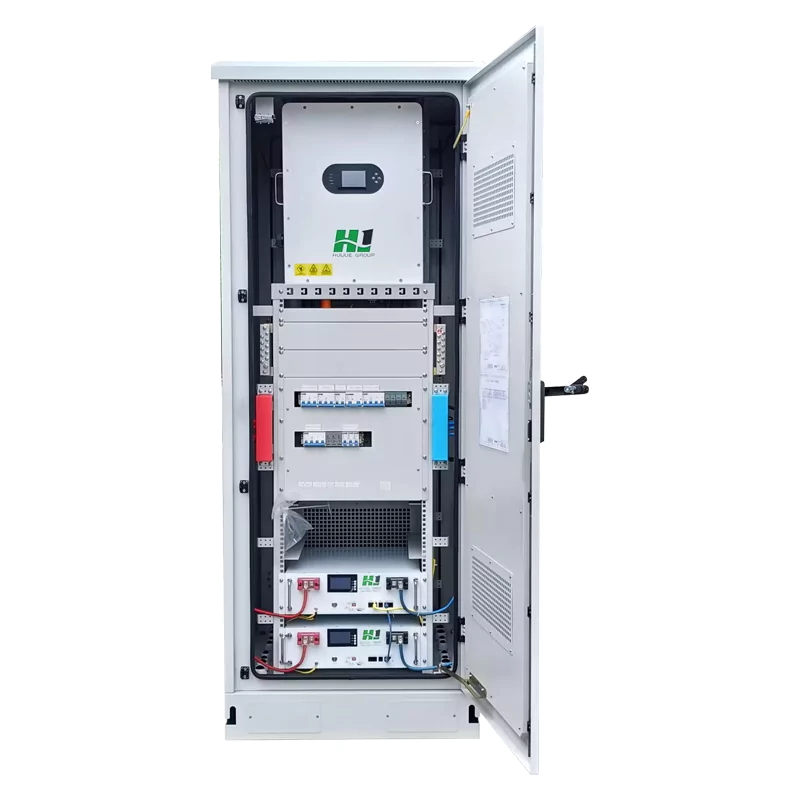
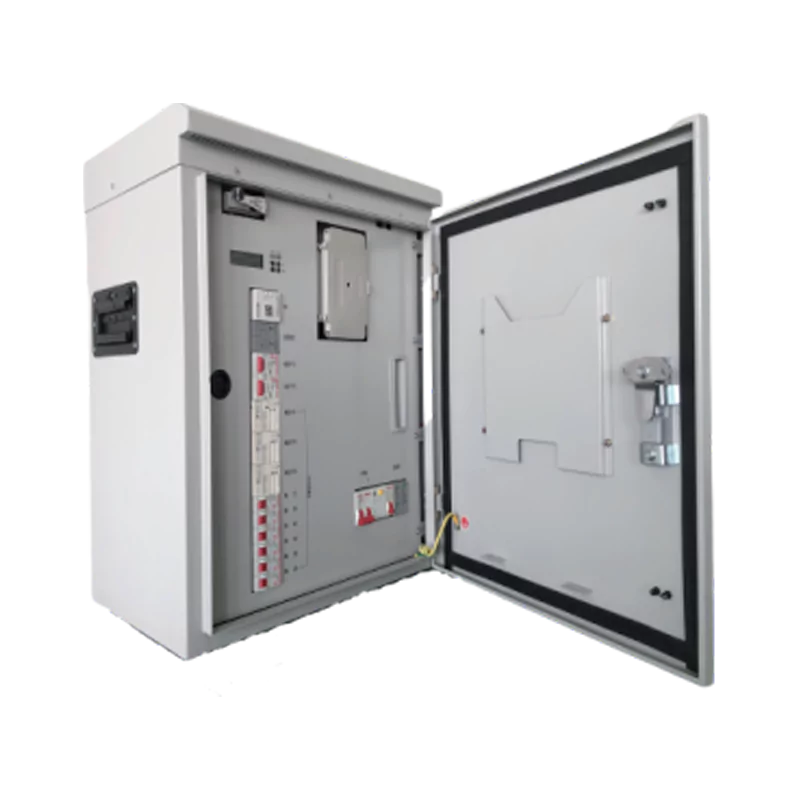
Outdoor Telecom Cabinet: This is a weather-tight enclosure for the protection of sensitive telecommunications or IT equipment, such as routers, batteries, and power systems, from all sorts of environmental elements, including rain, dust, or even heat. This enclosure is usually fitted out with temperature control, anti-theft locks, and even power backup systems.
These cabinets play a crucial role in the outdoor network deployment of telecom companies, data centers, and public service organizations, particularly where continuous connectivity and power reliability are crucial.

Price Range of Outdoor Telecom Cabinets in 2025
Prices for outdoor telecom cabinets as of 2025 can run anywhere from $900 to $5,000, depending on design, materials, and integrated systems. Let’s break that down:
| Type | Description | Estimated Price (USD) |
| Basic Outdoor Weatherproof Enclosure Cabinet Box | Steel/aluminum enclosure for light telecom use | $900–$1,500 |
| Mid-Range Telecom Outdoor Enclosure | Cooling fans, insulation, security locks | $1,500–$2,800 |
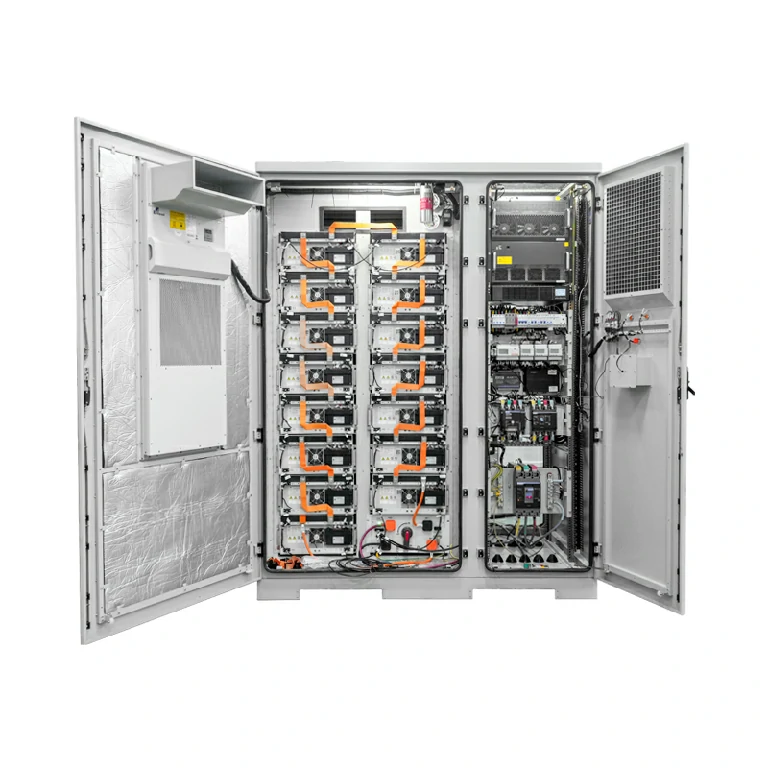
| Telecom Base Station Cabinet | Designed for telecom operators, supports several racks | 2,800–$4,000 |
| Outdoor Telecom Battery Cabinet | Integrated with battery storage for off-grid or backup use | $3,000–$4,500 |
| Solar Telecom Cabinet | It contains solar panels, charge controllers, and batteries | $4,000–$5,000+ |
Why such a wide range?
Because not all cabinets serve the same function. For example, a simple outdoors weatherproof enclosure cabinet box may be fine for temperature-stable areas, but in remote or high-heat regions, you’ll need advanced thermal management — which adds cost.
Key Factors Affecting the Price
The cost of an outdoor telecom cabinet depends on several variables:
- Material and Construction
The most commonly used materials are galvanized steel, aluminum, and stainless steel. Each one has different corrosion resistance and heat dissipation properties.
- Steel cabinetsare the cheapest but require anti-rust coatings.
- Aluminum cabinetsare lightweight, corrosion-resistant, well-suited for either coastal or highly humid regions.
- Stainless steel cabinetryis high-end and constructed to last — but it definitely costs more.
- Weatherproof and Thermal Control Features
The IP55 or IP65 protection of a weatherproof telecommunication cabinet guarantees no intrusion of dust or water.
Advanced options include:
- Air conditioners or heat exchangersfor hot climates
- Insulated walls and heatersfor cold environments
- Ventilation fans with filtersfor balanced airflow
These features add to the cost of an enclosure by 10–25%, but are usually essential for long-term reliability.
- Power Systems and Batteries
Cabinets that include either battery storage or hybrid solar systems will be more expensive but provide greater energy independence.
An outdoor telecom battery cabinet, for example, would house lithium-ion batteries that allow for constant operation in case of power loss. A solar telecom cabinet combines solar panels, allowing reduced dependency on grid electricity; this would be ideal for rural or remote installations.
- Size and Rack Capacity
The size of your deployment matters. A telecom base station cabinet, which is designed to support multiple racks and larger cooling units, will cost more than a single-rack configuration.
- Customization and Integration
Many modern telecom installations require smart monitoring, such as sensors for temperature, humidity, voltage, or even unauthorized access. Adding such IoT or remote monitoring modules increases the cost but greatly enhances operational efficiency.
Real-World Case Studies
Case 1: Rural Network Expansion in Kenya 2024
In 2024, a Kenyan telecom operator teamed up with Huawei to install solar telecom cabinets for rural base stations. These systems reduced diesel generator usage by over 70%, saving more than $300,000 in annual fuel costs.
Case 2: Smart City Project in Spain, 2023
A Seville municipal project deployed outdoor telecom cabinets with surveillance and data transmission equipment. It has managed to achieve even 99.8% uptime during summer heatwaves because it also used IP65-rated outdoor weatherproof enclosure cabinet boxes.
Why Investing in Quality Cabinets Pays Off
While a less expensive cabinet might be tempting, it could ultimately cost more in maintenance and replacement of equipment.
Here’s why investing in a quality telecom outdoor enclosure makes sense:
- Longer equipment life:Protects sensitive electronics against corrosion, dust, and overheating.
- Reduced downtime: Less risk of outages or performance degradation.
- Energy savings:Smart ventilation or hybrid solar setups can lower energy bills.
- Regulatory compliance:Many of the telecom authorities now require outdoor cabinets to adhere to specific IP ratings or fire safety standards.
According to a MarketsandMarkets report, the global telecom enclosure market is expected to grow at over 7% CAGR by 2030, driven by 5G and IoT expansion — meaning demand (and expectations for quality) will only rise.

Common User Questions
- Are outdoor telecom cabinets customizable?
Yes. Many manufacturers offer modular options: you can add battery racks, cooling units, or solar kits according to the project needs.
- How long does an outdoor telecom cabinet last?
A good cabinet, properly maintained, can last 10-15 years or more, with some minor variation depending upon environmental conditions.
- Do I really need a solar-powered telecom cabinet?
If you operate in areas with unstable grid power, yes. A solar telecom cabinet provides autonomous operation and reduces energy costs in the long term.
The Growing Role of Smart Energy Cabinets
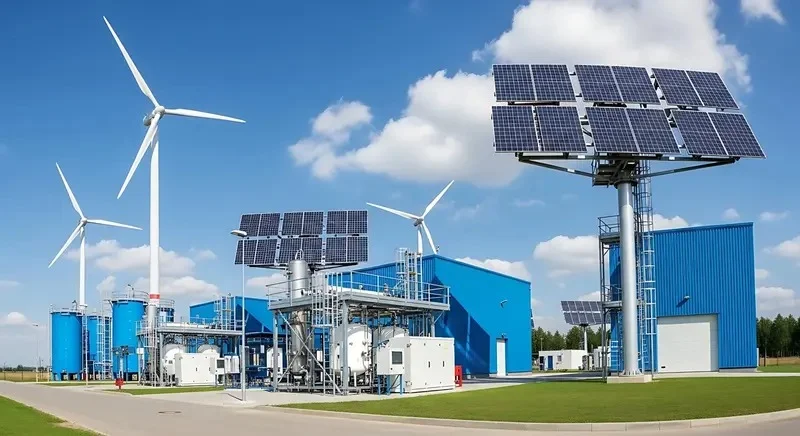
The telecom infrastructure in 2025 will be a hybrid system of energy generation, storage, and monitoring, combining solar power, battery storage, and smart monitoring. Advanced outdoor telecom cabinets thus work like mini power stations, helping the network be stable while reaching its sustainability goals.
Today, manufacturers integrate intelligent controllers that can monitor temperature, humidity, and power consumption remotely. This “smart cabinet” trend helps operators reduce downtime while smoothing out regular maintenance schedules, which is so important for 5G expansion and remote communication networks.
Final Thoughts
The cost of an outdoor telecom cabinet in 2025 will depend on much more than just its size; it’s about the performance, durability, and long-term value. Whether it’s for a weatherproof telecom cabinet for a city project or a solar-powered enclosure for rural deployment, investment in the right system ensures uninterrupted communication and energy security.
For further information relevant to your project needs, you can look at our solutions to explore more about the design, configuration, and practical application of telecom cabinets.