
What Should You Look for in a Base Station Energy Cabinet?
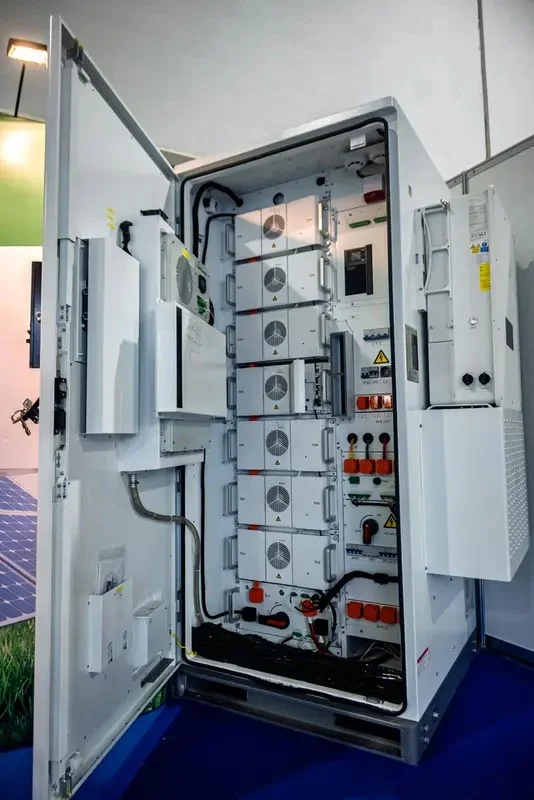
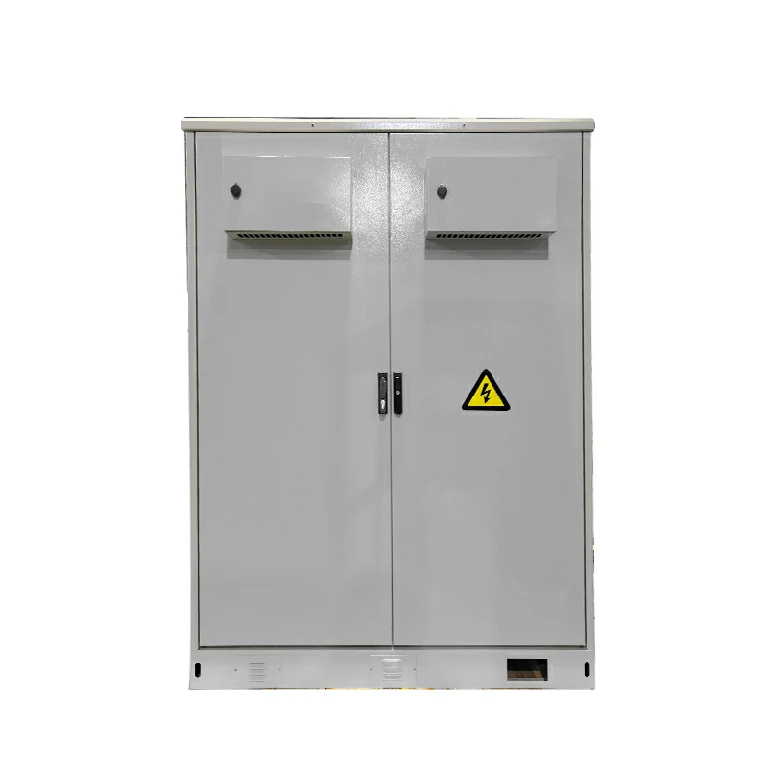
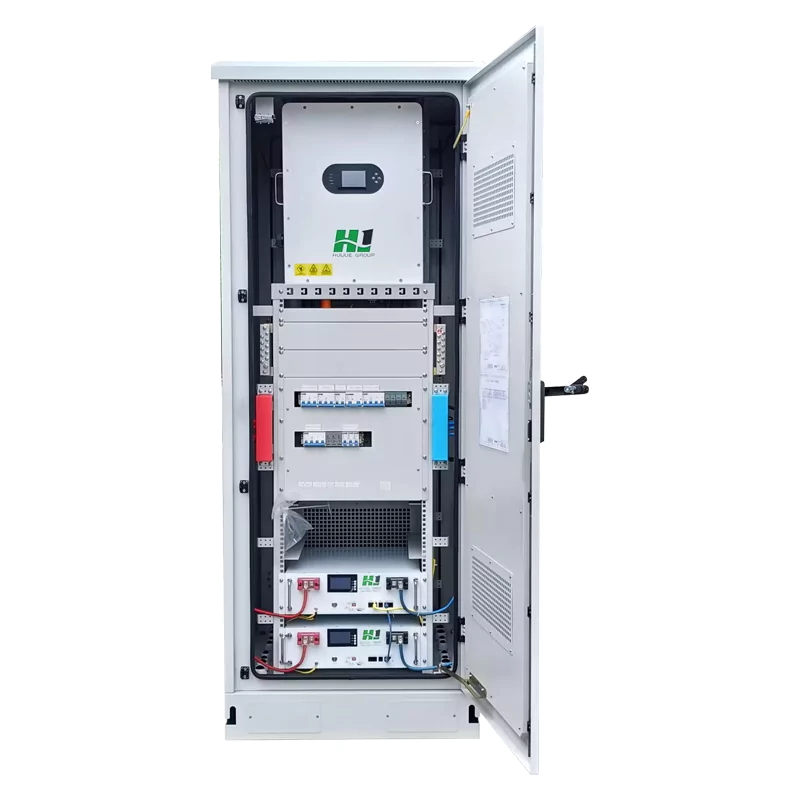
A base station energy cabinet is not merely a metal box that holds batteries and power electronics anymore. It is the backbone of reliability for a telecom or a renewable energy system, safeguarding energy storage devices from harsh environmental conditions such as weather, temperature fluctuations, and operational conditions. Regardless of whether you are looking at outdoor energy cabinets for telecom applications or solar battery cabinets for hybrid power systems, the choice you make can directly impact their performance, safety, and operational costs.
Why the Right Energy Cabinet Matters
Energy cabinets are exposed to harsh environmental conditions that are often unpredictable. For a telecom tower located far away from civilization or a roadside 5G node installed near a busy highway, the conditions are as harsh as those faced by solar battery cabinets deployed at remote sites or near coastal areas exposed to sea spray.
The study titled Battery Energy Storage System Performance and Cost Analysis, published by the National Renewable Energy Laboratory, finds that thermal management and operating conditions significantly influence battery lifespan and system cost, underscoring the importance of enclosure design in energy storage deployments.
Environmental Protection and Outdoor Durability
Ingress Protection and Sealing
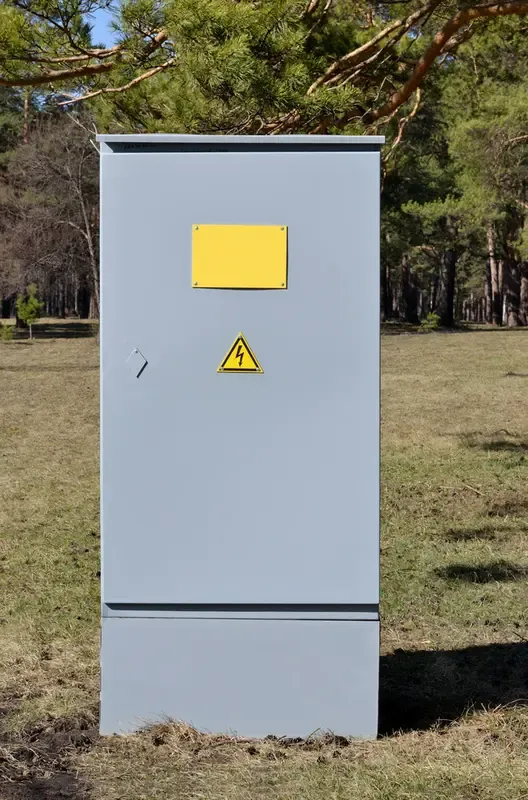
Outdoor deployments demand strong protection against dust, water, and pollutants. Look for cabinets with appropriate IP ratings (typically IP55 or higher) and sealed cable entry points.
The ISO’s publication ISO 14644-1 Cleanrooms and associated controlled environments demonstrates that controlled particulate environments directly affect equipment reliability, a principle that extends to sealed outdoor enclosures where dust and contaminants can degrade electrical components.
Corrosion Resistance
For areas with high humidity, industrial areas, and coastal areas, the materials used for the cabinets should include:
- Powder-coated galvanized steel
- Stainless steel types
- Anti-corrosion coating for fasteners and hinges
Corrosion not only harms the aesthetics of the equipment but also compromises the integrity of the grounding and structural safety.
Temperature Tolerance
Outdoor energy cabinets must withstand high temperatures ranging from -20 °C to +55 °C and even beyond.
Thermal Management and Battery Health
Active vs. Passive Cooling
Thermal control is one of the most neglected considerations in the selection of the solar battery cabinet. It is known that temperature is one of the main contributors to the aging process of the batteries.
The methods of cooling are as follows:
- Passive ventilation for use in mild climates
- The use of heat exchangers for isolating the internal air
- The use of air conditioning for high-temperature areas
- Hybrid cooling for varying loads
Insulation and Heat Shielding
In the design of the double wall, reflective coatings are made to minimize the gain of direct sunlight.
Electrical Safety and System Integration
Fire Safety and Isolation
Energy storage systems are prone to fire risks. The cabinets must incorporate:
- Fire-resistant internal partitions
- Flame-retardant cable routing
- Thermal runaway isolation design
Battery compartmentalization helps prevent a single cell failure from causing damage to the entire system.
Grounding and Surge Protection
Grounding is essential for the safety of equipment as well as personnel. The main features are:
- Dedicated grounding bars
- Surge protection devices (SPDs)
- Lightning protection compatibility for telecom towers
Surge protection is a necessity for areas prone to lightning strikes.
Structural Design and Maintenance Accessibility
Modular Layout
Modular Cabinet Design
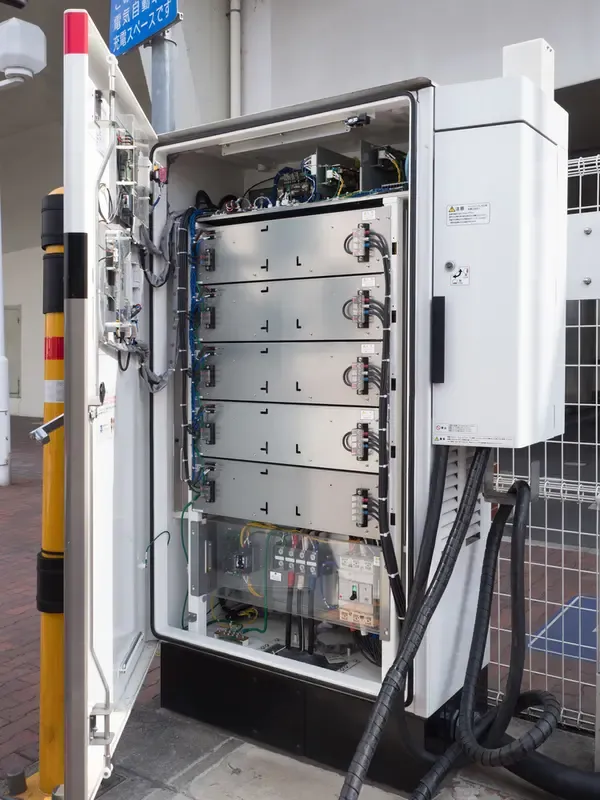
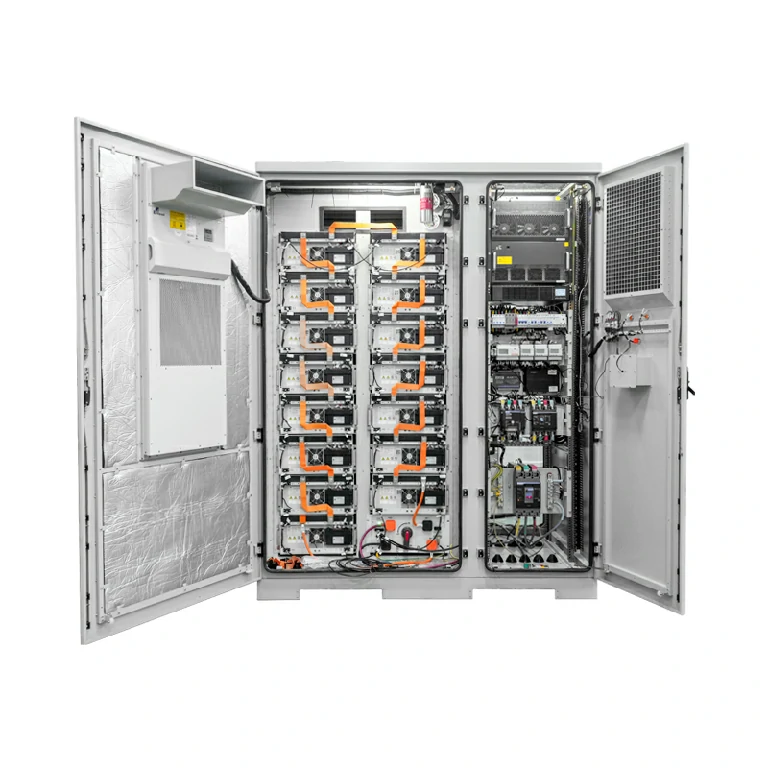
The design allows for separate compartments for:
- Batteries
- Power conversion systems
- Monitoring equipment
- Cooling units
This design is helpful in ensuring safety and serviceability.
Serviceability in the Field
In the field, service technicians often have to work under difficult conditions. The following are some of the things to look for:
- Front access design
- Tool-less panel removal
- Clear wiring paths
-scaled-e1767151278457.webp)
Monitoring, Smart Controls, and Remote Management
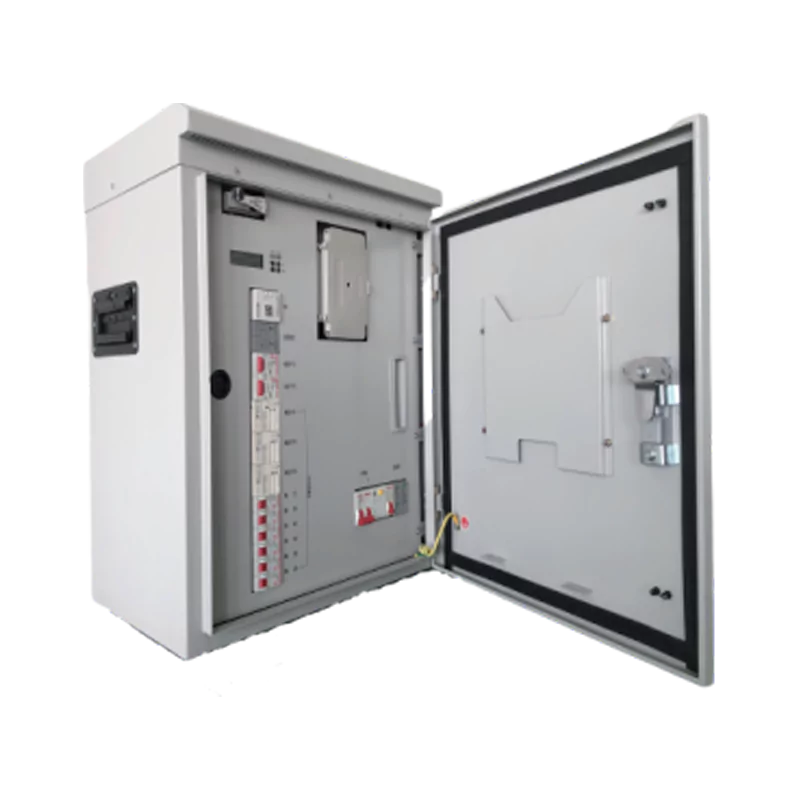
In the latest base station energy cabinets, it has become common for intelligent monitoring systems to be included.
Some of the main features that can be included in the monitoring systems are:
- Battery State of Charge Monitoring
- Temperature and Humidity Monitoring
- Door Open/Unauthorized Access Monitoring
- Remote Firmware Updates
For telecom operators with thousands of sites, the benefits of remote diagnostics can be substantial.
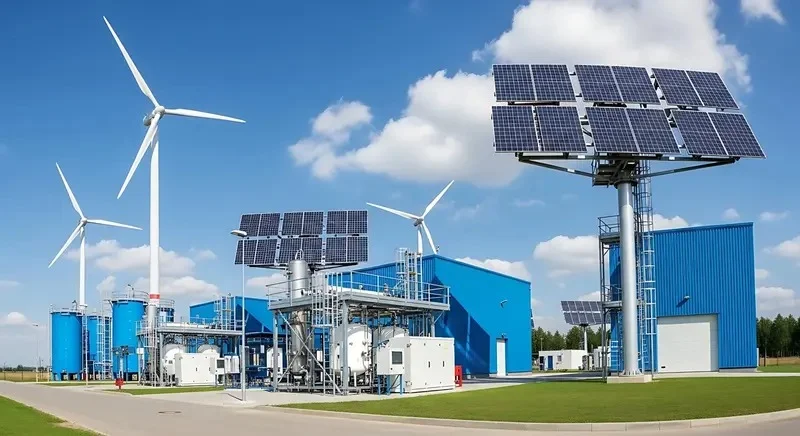
Solar Integration and Hybrid Energy Systems
Compatibility with Renewable Inputs
If the enclosure is to be used as a solar battery cabinet, it has to house the following:
- Charge controllers
- Inverters or hybrid systems
- DC distribution
There has to be proper space for cables.
Space Planning for Future Expansion
Energy requirements increase with time. The design of the cabinet has to allow for the addition of new battery modules or improved electronics without replacing the entire cabinet.
Key Comparison Checklist
| Feature | Why It Matters | Minimum Recommendation |
| IP Rating | Protects against dust and water | IP55 or higher |
| Thermal Management | Extends battery life | Active or hybrid cooling |
| Corrosion Resistance | Ensures long-term durability | Galvanized or stainless steel |
| Fire Safety Design | Reduces risk of thermal runaway | Compartmentalized battery bays |
| Remote Monitoring | Enables predictive maintenance | Integrated sensors and alerts |
| Modular Layout | Simplifies upgrades and repairs | Separate compartments |
Common Mistakes to Avoid
Choosing Based on Price Alone
These cost-effective cabinets may not be properly sealed, cooled, or secured. Although they might be cost-effective, they might prove to be expensive to maintain.
Ignoring Local Climate Conditions
A good design for a temperate climate might prove to be inappropriate for desert, coastal, or urban environments. These environments have high levels of pollution.
Overlooking Maintenance Access
In order to ensure maintenance, the components should be accessible.
Final Thoughts
However, it is essential to find the right base station energy cabinet that offers the right balance of durability, safety, thermal, and scalability features. The base station is crucial as it affects the lifespan of the batteries and the overall cost of operations. By focusing on environmental protection, thermal, and monitoring, it is possible to offer effective services in the telecommunication and renewable industry.
Before buying, it is essential to evaluate the operating environment and ensure that it meets the required standards. The cabinet is not just a protective case, but it is essential in ensuring that your overall energy system is effective.