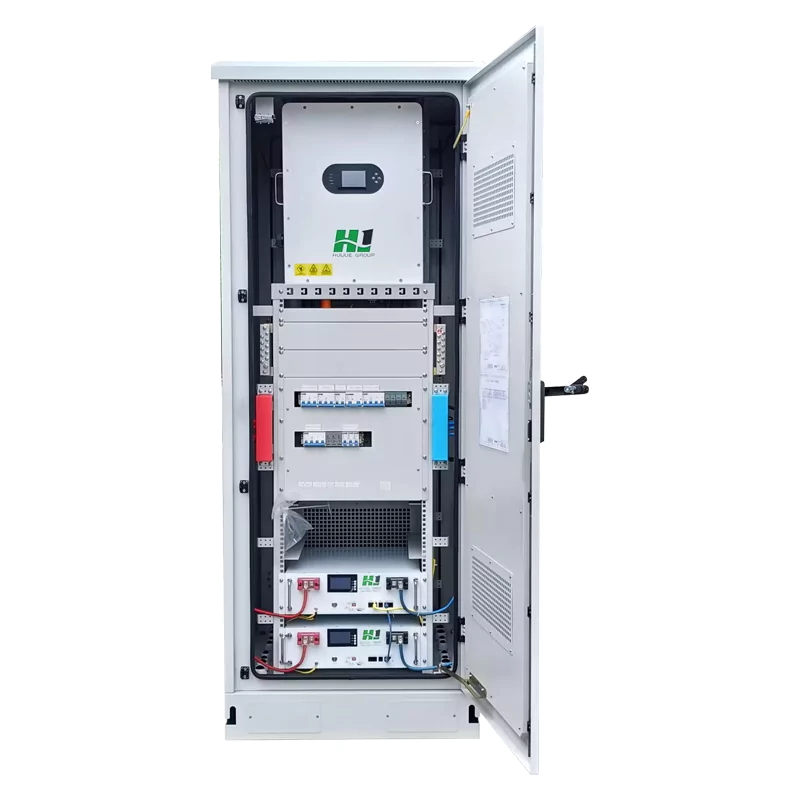
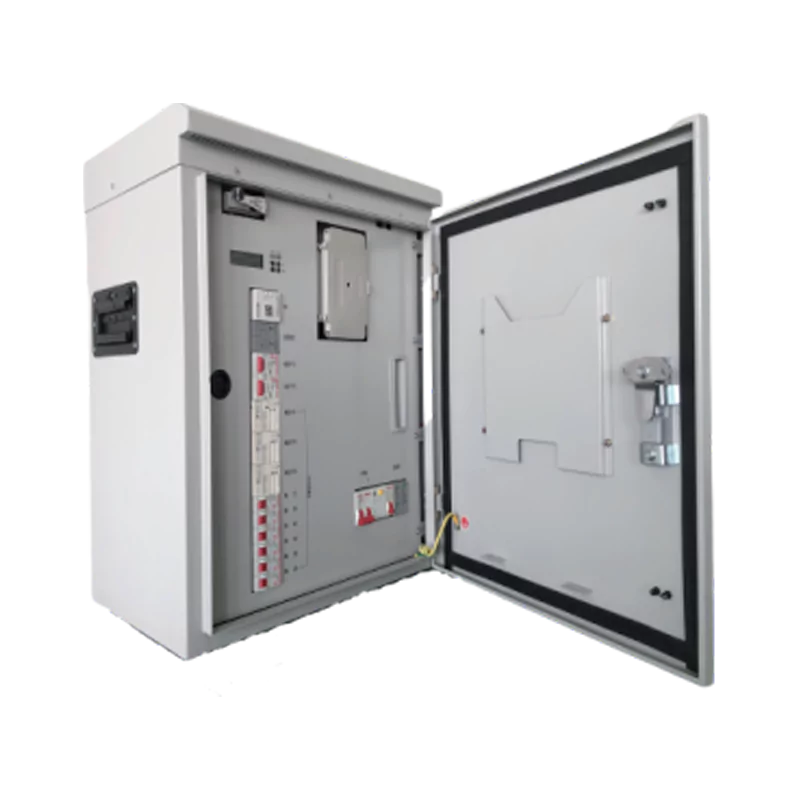
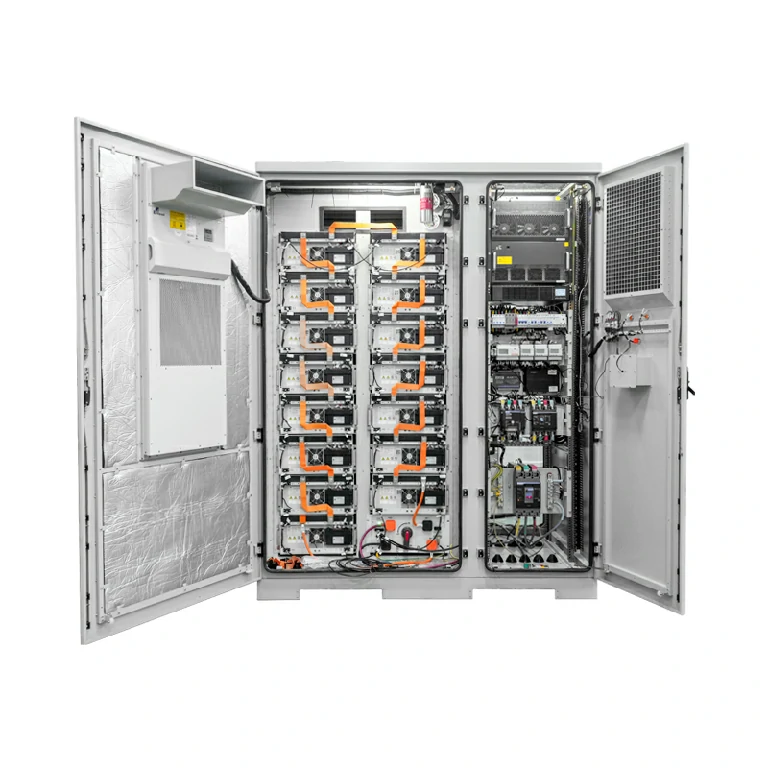

Outdoor Telecom Cabinets: Providing Power and Protection for Telecommunications Networks Outside
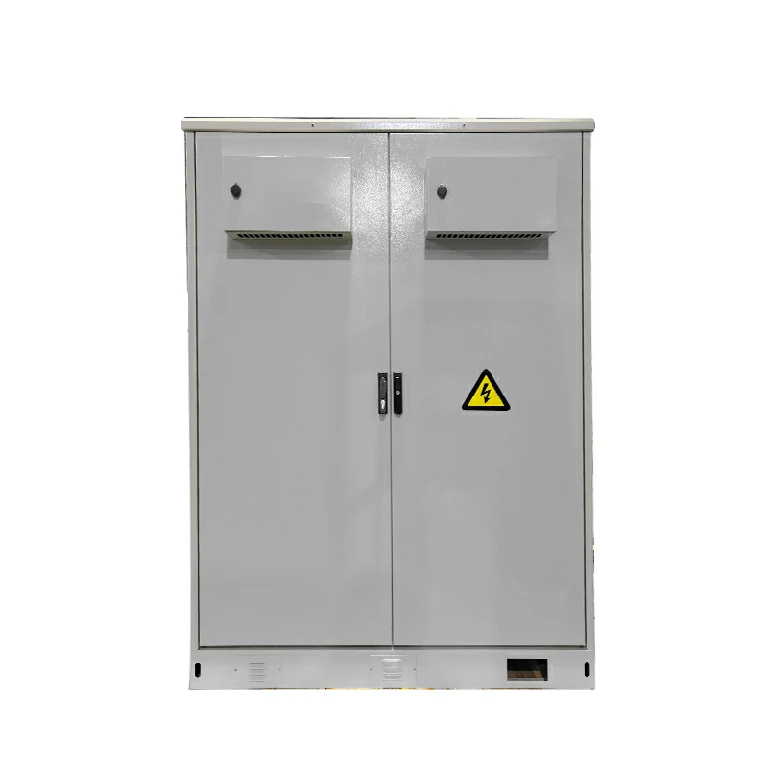
Telecom equipment cabinets outdoors support communication infrastructure to ensure continuous operations of communication networks under difficult weather conditions. Mobile communication fiber access and satellite-based communications remain on the rise outdoors, making it imperative to consider telecom equipment cabinets outdoors than ever before.
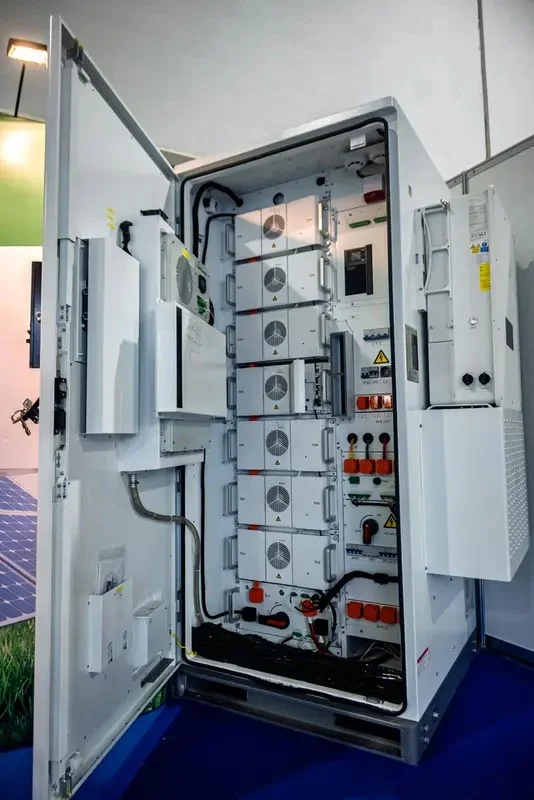
Contemporary designs for outdoor telecom equipment cabinets represent engineered systems rather than mere boxes. They address environment protection, thermal management, and power reliability to enable a constant communication network operation.
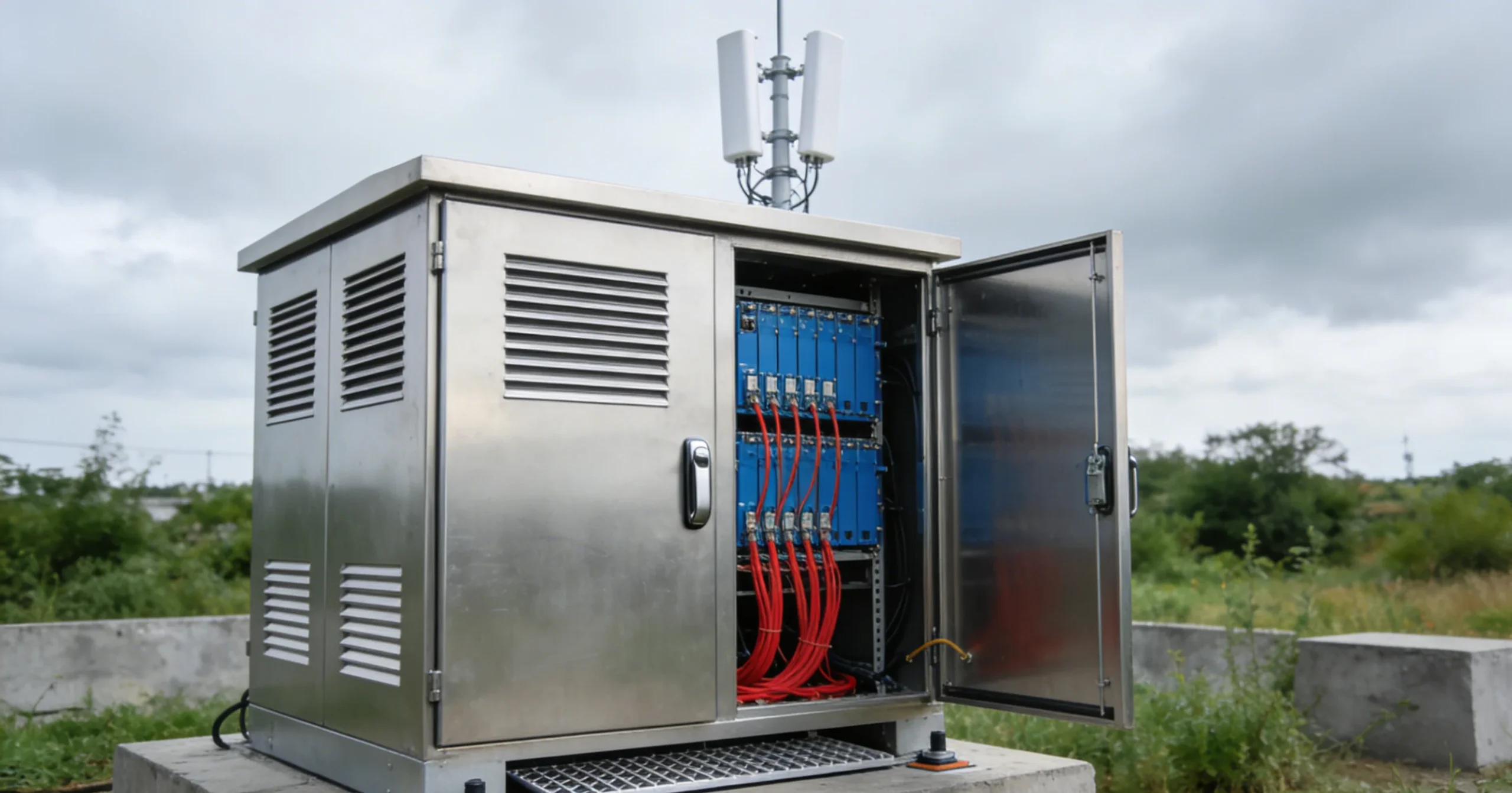
The Significance of Outdoor telecom equipment cabinets in telecom networks
Today, communication networks become increasingly dependent on outdoor installations. These radio-base station remote radio units, road-side communication nodes, and rural access points are often mounted in areas where rain, dust, wind, and exposure to temperature changes are factors. In such conditions, outdoor telecom cabinets form a basis for reliability of telecom structures.
An outdoor communication equipment cabinet needs to protect its electronics from the environmental influences while maintaining stable electrical operation in the process. An event may occur that may interrupt the communication connections over the vast service area if the design or selection of the cabinet fails in its operation.
As equipment density and power continue to increase, so does the thermal load that needs to be handled by the cabinet. Protecting performance while becoming more energy-efficient is where outdoor telecom equipment cabinets become important.
Environmental Protection Standards for Weatherproof Telecom Equipment Cabinets
Importance of Ingress Protection
Environmental sealing is one of the most essential functions of the weatherproof telecom equipment cabinet. Dust moisture and the entry of water into the equipment can cause corrosion and short circuits of the electronic components.
The world standard for protecting enclosures is the standard created by the International Electrotechnical Commission, referred to as the IP Code. The IP Code describes degrees of protection against solids and liquids. According to the International Electrotechnical Commission IEC 60529 Degrees of protection provided by enclosures IP Code manufacturers and operators can specify enclosure performance in a consistent and verifiable way.
By utilizing the classifications of IP, one is able to assign telecom outdoor cabinets a condition of deployment like roadside, along the coast, or dusty areas.
Structural Integrity and Long Term Exposure
Ingress protection, apart from other factors to which outdoor telecommunications equipment cabinets are exposed, the cabinet also has to withstand resistance to ultraviolet rays, temperature variations, and natural mechanical forces. Good material and sealing details ensure the cabinet provides this protective service throughout its lifespan.
Protection performance can be made more certain by operating within recognized standards of protection. This reduces uncertainty.
Heat Dissipation Capabilities of Outdoor Telecom Cabinet Solutions
Heat Management in Outdoors
Thermal management is one of the hallmark difficulties associated with outdoor telecom cabinet solutions. This is due to the fact that electronic devices are constantly producing heat and outdoor temperatures are prone to large fluctuations. Thus, internal temperatures could soar if there is poor thermal management.
With regard to outdoor enclosures, guidelines for the evaluation of the thermal performance are given by the European Telecommunications Standards Institute. The European Telecommunications Standards Institute ES 203 156 Thermal performance of outdoor enclosures outlines standardized methods for assessing how enclosures respond to internal heat loads and external environmental conditions.
This standard allows enclosure performance and cooling designs to be objectively assessed and matched with climatic conditions and equipment density.
Passive & Low Energy Cooling Strategies
In most applications, the aspect of energy savings is equally valued with cooling. This is due to the increased power use with cooling solutions. Therefore, the idea of passive cooling is becoming more desirable for use in telecom cabinets.
Academic research supports this trend. A technical study titled Simon Fraser University Development of a Passively Cooled Outdoor Telecom Power Enclosure analyzes enclosure designs that maintain acceptable temperatures without energy intensive air conditioning. The research demonstrates how enclosure geometry surface treatments and airflow paths can significantly reduce thermal stress on power components.
For telecom power cabinet outdoor deployments passive cooling can improve reliability while lowering operational costs.
Power Systems Integration in Outdoor Telecom Equipment Cabinets
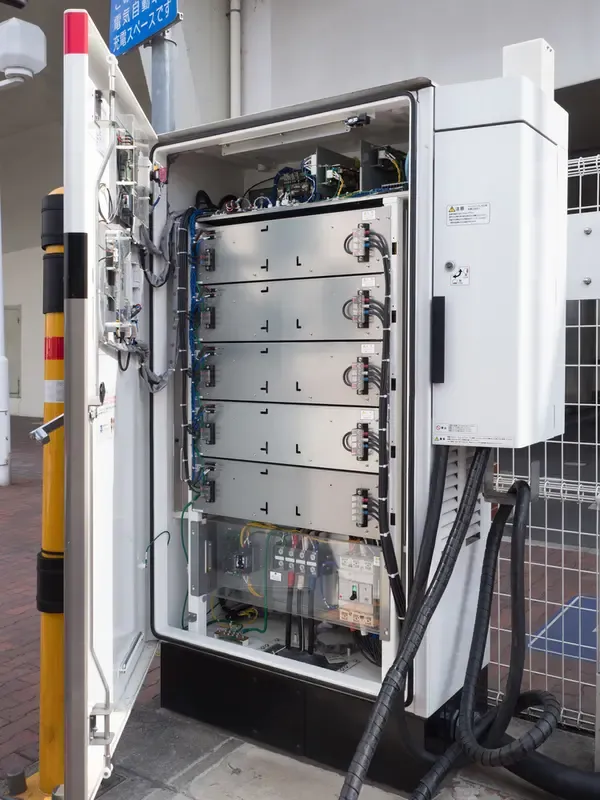
Outdoor telecom equipment cabinets often integrate multiple power related components including rectifiers distribution units batteries and monitoring systems. In remote or grid limited locations the cabinet may be responsible for ensuring uninterrupted operation during power outages.
To ensure effective power integration, there is a need for effective thermal separation. The power cabinets optimized for power reliability ensure long battery life, as well as stable voltage outputs irrespective of variations occurring in the environment.
In essence, by integrating power system design and enclosure level thermal, outdoor telecom equipment cabinets work towards ensuring a guaranteed availability of telecom networks at all times.
Outdoor Telecom Enclosure for Base Stations
The requirements for outdoor cabinets remain high when it comes to base stations. They have high power consumption, dense electronics, and continuous operation cycles. Outdoor telecom enclosure for base stations allows flexible location setting without having to build shelters.
These enable fast deployment on rooftop poles and ground-mounted locations while ensuring protection and performance. Enclosure solutions simplify the process of installation and enable the rapid expansion of the communications network.
Typical Internal Organization
An efficient design for an outdoor communication equipment cabinet should provide separate areas for better safety and maintainability.
| Section | Function | Design focus |
| Power compartment | Rectifiers batteries | Thermal control |
| Equipment compartment | Radios controllers | Temperature stability |
| Cable routing | Fiber and power entry | Sealing and access |
It also has an internal design that promotes efficient cooling and easy maintenance.
Choosing the Best Outdoor Communication Equipment Cabinet
Gone are the days when Choosing an outdoor telecom equipment cabinet means considering exposure to environmental factors, thermal requirements, and power requirements together rather than independently. Cabinets that support standardized protection categories and validated methods of thermal performance and established concepts for powering enclosure structures would be in a stronger position to provide continued performance.
Thetelecommunications equipment cabinet is one of the fundamental structures found in contemporarycommunication systems. These structures are used for environmental protection as well as effective power supply distribution where an internal infrastructure is not available.
In referencing global standards within the academic study of efficient cooling and protection against environmental factors, telecom operators can installtelecommunications equipment cabinetswith confidence and accuracy. A well-designed outdoor telecom equipment cabinet provides enhanced reliability for networks helps minimize risks during operations, and provides the ability for scalability. If you are looking for outdoor telecom equipment cabinets, you may visit our solutions for outdoor telecom cabinets.