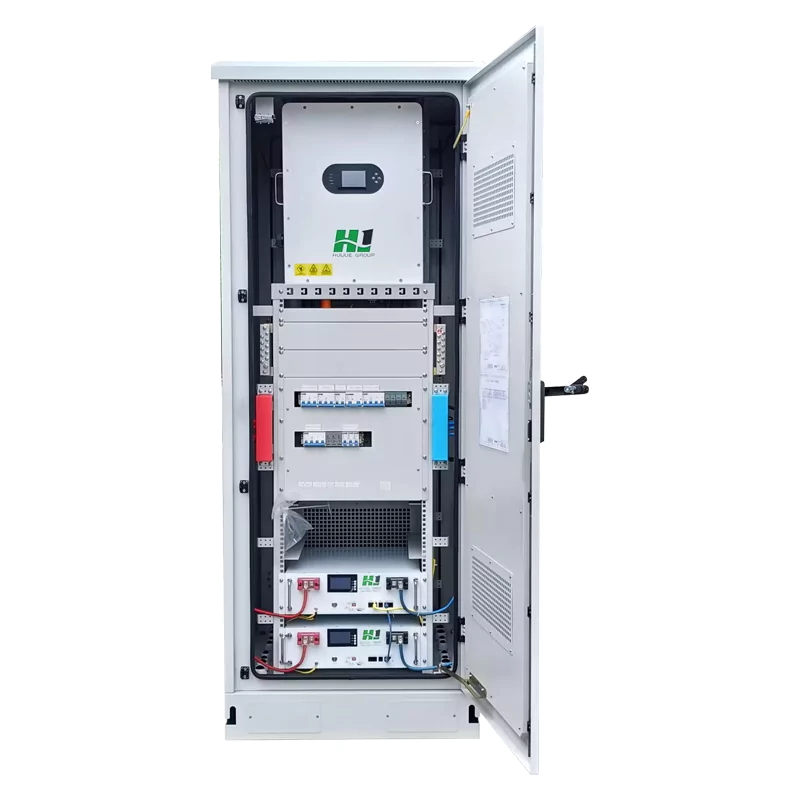
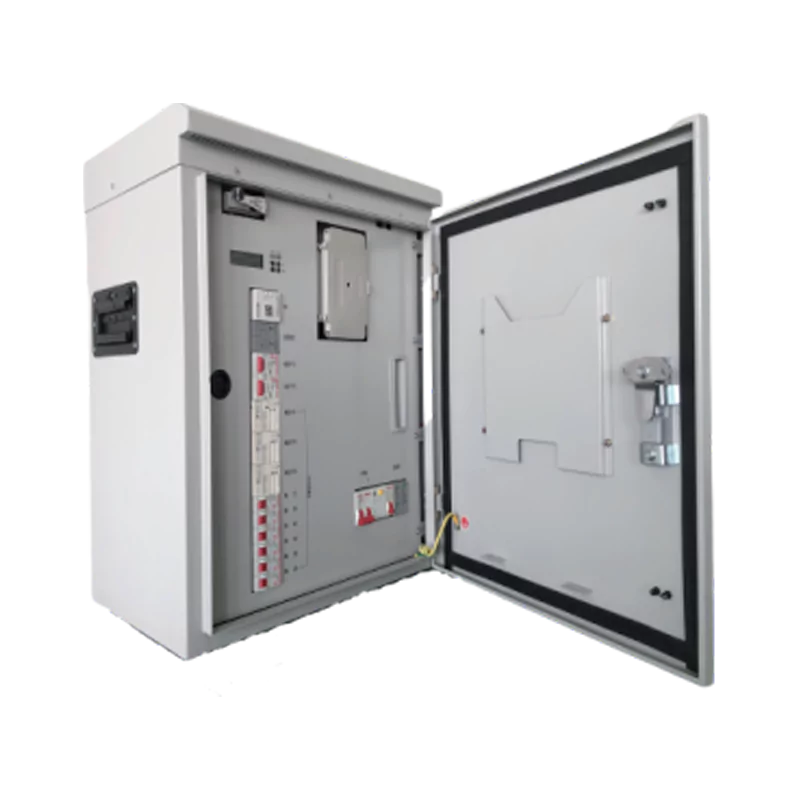
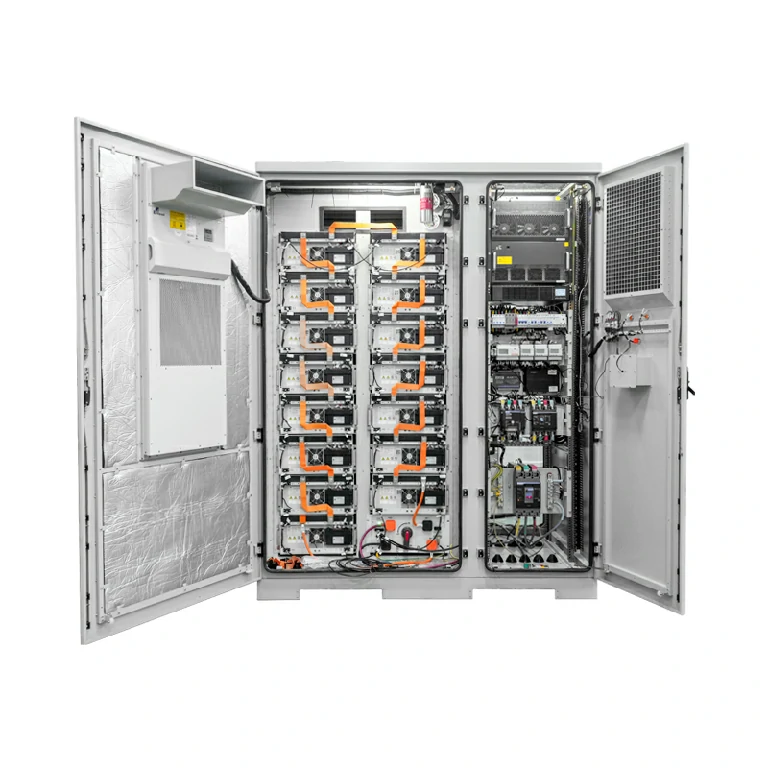

Outdoor Base Station Cabinet Important Protection for Contemporary Telecommunications Networks
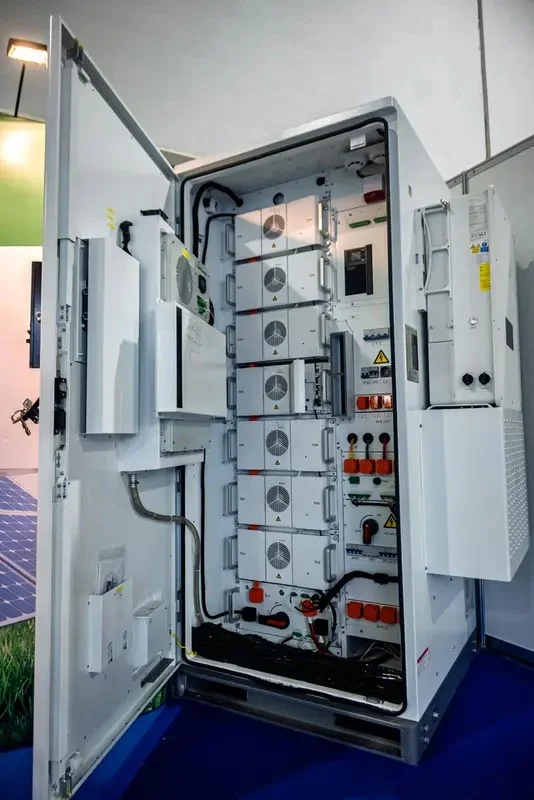
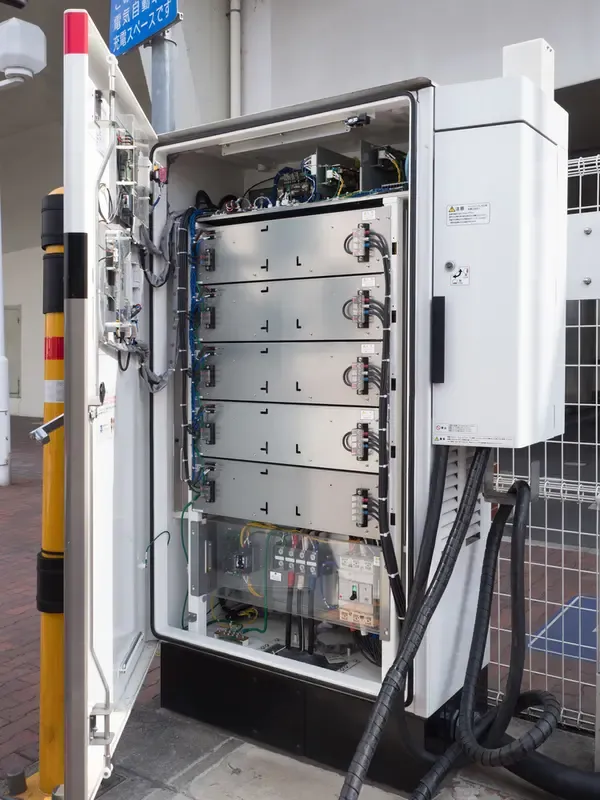
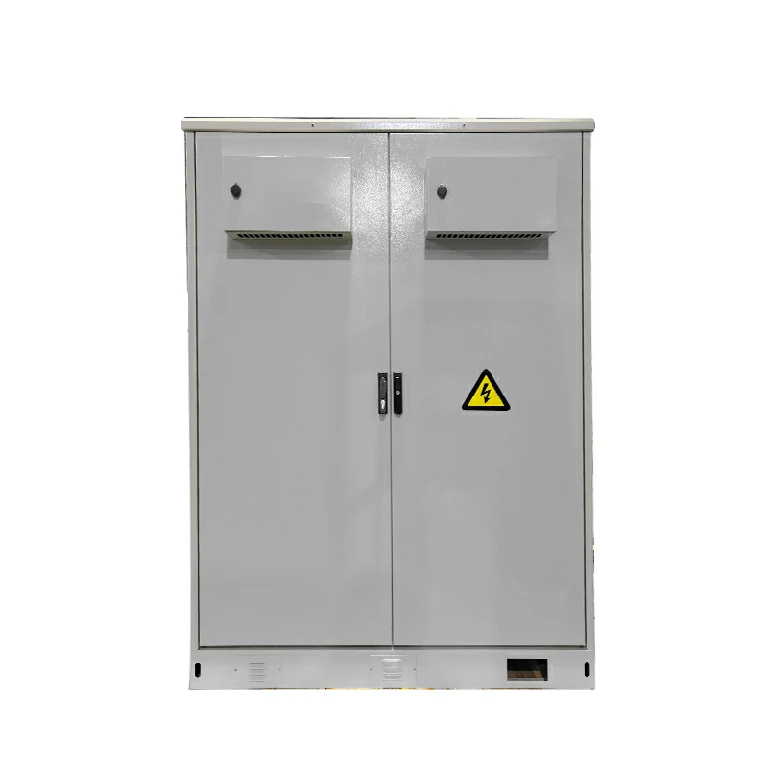
A good outside cabinet for a base station plays an integral role as an essential part of modern telecom infrastructure because it guards precious communications equipment against natural security threats and environmental factors. It goes without saying that unending needs are rising with developments in national broadband networks and large area mobile communications. An outside cabinet for a base station ensures mechanical protection, security, and controlled power supply to radio modules, transmission devices, and control modules. These types of modules are usually exposed, so they have strict global standards.
The Importance of Outdoor Base Station Cabinets to theTelecommunications Industry
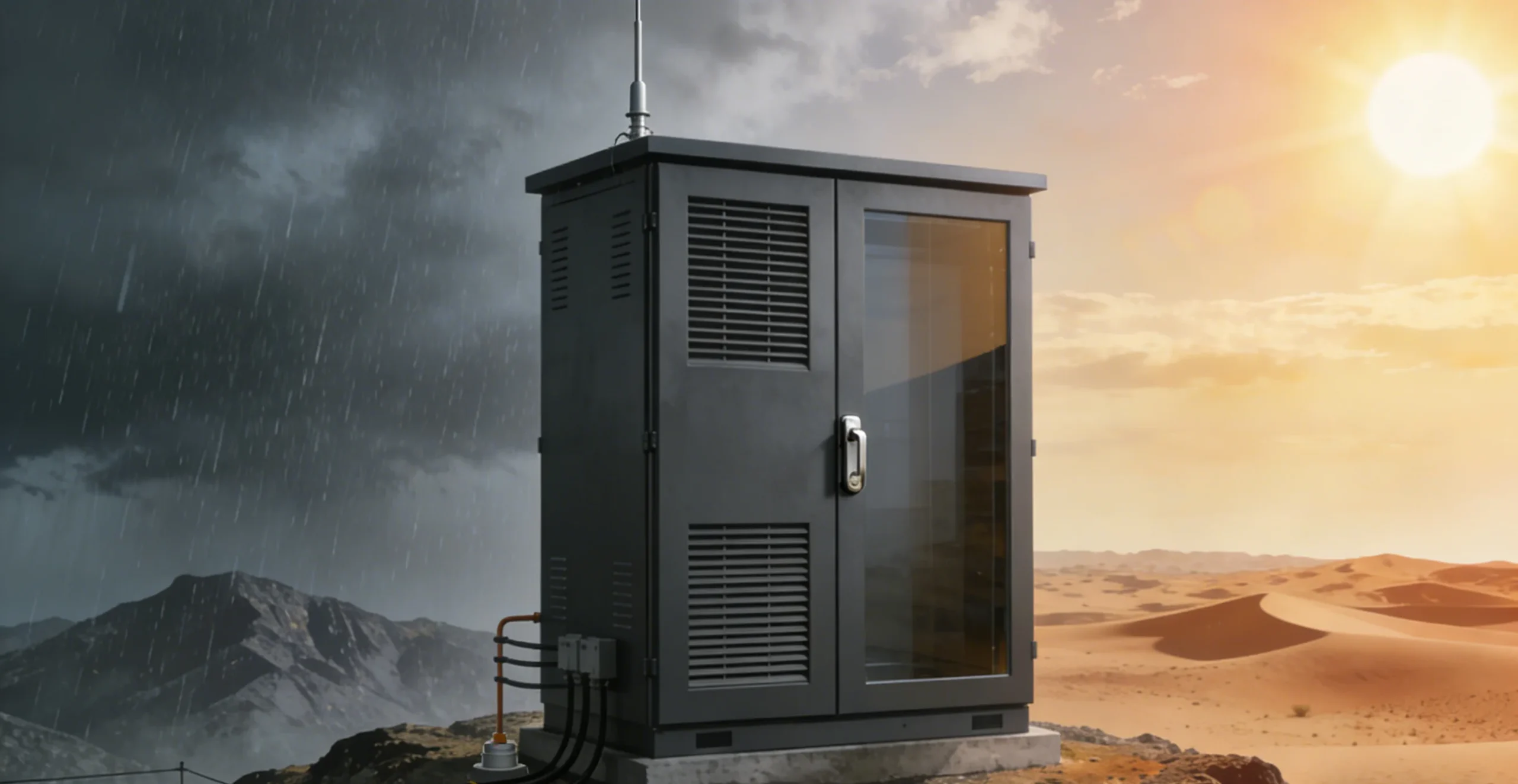
The role of outdoor cabinets for network operators regards providing functionality within regions with no controlled indoor environment. The cabinets safeguard equipment against rain solar radiation strong winds dust, and various electrical dangers. The availability and functionality of networks rely greatly on stability and functionality within all cabinets regardless of regional weather conditions ranging from high humidity near coasts to arid plateau regions.
Environmental and Structural Challenges in Field Operations
Telecommunications sites have to be operational throughout the year, no matter how sweltering, cold, or wet the conditions. Equipment will degrade swiftly without adequate heating and protection. Cabinets thus offer insulation, controlled air flow, strength, and materials with sufficient longevity for use outside.
How Cabinets Protect Power Distribution and Communication Units
The power modules have weather and temperature fluctuation sensitivity and must be protected with enclosures. The cabinet contains arrangements for rectifier batteries and distribution cables that reduce electromagnetic interference and suppress vibrations, which may affect signal components.
Essential Design Principles for Outdoor Telecom Base Station Cabinets
A modern telecom base station cabinet for outdoor use meets various specific technical requirements pertaining to longevity and environmental protection.
Mechanical Strength and Vibration Stability
Telecom cabinets have to resist physical forces due to wind vibrations and environmental pressure. The international standard from the International Electrotechnical Commission referenced below IEC 61587-4 Mechanical structures for electronic equipment Combination of performance levels for modular cabinets describes methods and performance levels for structural testing and cabinet systems. It appears that this reference source sheds light on testing cabinet frame panels and joints for strength rigidity and reliability.
Weather Protection and External Climate Resistance
Weather-resistant capabilities include protection against water dust, ultraviolet rays, and temperature changes. These abilities enable a stable signal and eliminate any interruptions related to water entry or due to temperature changes. Telcos rely on these abilities in regions with either monsoon weather, arid deserts, and regions with snow.
Access Management and Service Convenience
Outdoor cabinets should enable easy and safe access for maintenance personnel. At the same time, they should preclude unauthorixed entry. locking systems controlling access and layout planning enable efficient maintenance.
Grounding and Protection Requirements for Bases at Radio Relay stations
Grounding plays a very significant role with regard to safety standards for outdoor equipment, and it primarily becomes relevant at remote telecommunication sites. The international telecommunication guideline ITU T Recommendation K.35 Bonding arrangements and earthing at remote electronic sites covers reliable guidelines on bonding and earthing at telecom stations. It outlines procedures and techniques for attenuation of electrical hazards better lightning energy protection and maintaining system integrity under electrical stress.
Electrical Hazard Prevention
Unsecured grounding connections may result in equipment malfunction or service disruption if an electrical fault occurs. Compliance with bonding standards will ensure reliable current flow and prevent equipment shutdown.
Lightning Energy Protection
The risk of lightning activity increases at remote locations. Lightning immunity/robustness relates to groundings included within the standard. It helps protect operators and eliminate destructive surge effects on communication modules.
Applications and Case Insights
A coastal area in Southeast Asia improved its fourth and fifth generation wireless network coverage throughout 2022. Because of the high salt level and typhoon occurrences in the area, there was a need for stable outdoor base station cabinets. By choosing cabinets that were designed with global structural testing standards and employing grounding methods that comply with global telecommunication safety standards, the operator was able to achieve considerable stability benefits within the first year.
A national telecomm operator in the western mountains added redundant power systems for remote base stations in 2023. The cabinets with excellent environmental protection were installed at ridges with large temperature differences. The telecomm operator strictly followed worldwide recommended practices on grounding to make power systems reliable in remote areas. Consequently, emergency communications were reliable during seasonal storms and the restoration time for telecomm services after power restoration was significantly reduced.
Comparative Overview of Cabinet Functions
| Feature Category | Importance in Outdoor Deployment | Typical Performance Focus |
| Structural Strength | Resists deformation due to wind and vibration | Frame rigidity and load endurance |
| Climate Protection | Guards against rain dust and temperature extremes | Seal quality and material durability |
| Power system support | Ensures stable operation of rectifiers and batteries | Heat management and internal arrangement |
| Grounding and safety | Reduces electrical hazards and protects equipment | Standard compliant bonding paths |
Choosing the Right Outdoor Communication Cabinet for Base Stations
Choosing an appropriate cabinet for outdoor communications depends on an analysis of regional climatic factors, locations, electrical systems, and maintenance considerations. Methods for structural testing provide clarification on predicted mechanical behavior. Operating procedures provide information on necessary grounding and bonding. All these factors should be properly coordinated so that network stability and lower maintenance costs are realized.
Climate Adaptation and Material Selection
Climate change requires materials that are resistant against corrosion and are unaffected by temperature changes. Climate cabinets should have facilities to control air flow and insulation so as not to get overheated.
Operational Efficiency Through Internal Layout
It should A properly planned internal layout enhances the organization of power distribution and makes it easier and faster to conduct diagnostic verification during service calls.
Summarization and Action Guidance
Outdoor base station cabinets play a foundational role in maintaining stable modern communication networks. Their structural integrity climate resistance and safety grounding systems ensure reliable service in diverse and sometimes severe environments. When cabinet design adheres to international mechanical standards and telecommunication safety principles operators achieve higher network availability reduced downtime and safer field operations.
Those interested in learning more about enhancing telecomm network reliability should look at some additional resources on selecting telecom infrastructure.