
How Outdoor Weatherproof Enclosure Cabinet Boxes Protect Power and Communication Equipment
At cellular sites in remote wilderness, alongside urban roads, and within industrial parks, what consistently upholds the operation of modern power and communication networks, beyond the core equipment itself, is their first line of defense—the outdoor weatherproof enclosure cabinet box. It is far more than a simple metal case; it is a highly integrated, proactive micro-environment control system, ensuring the delicate equipment inside remains unaffected by wind, rain, and extreme temperatures.
This article systematically explains how a professional outdoor cabinet fulfills its mission as an “all-weather guardian” through multiple protective mechanisms.
The First Layer of Protection: Building an Impregnable Physical Barrier
Water, dust, impact, and unauthorized access are the primary threats in outdoor environments. The cabinet establishes its first robust line of defense through precision engineering and material selection.
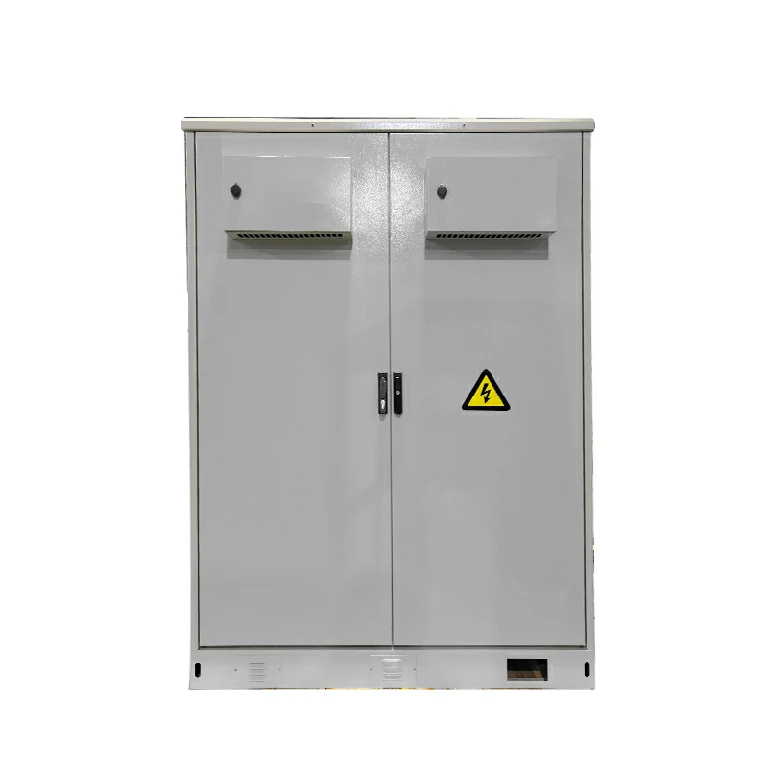
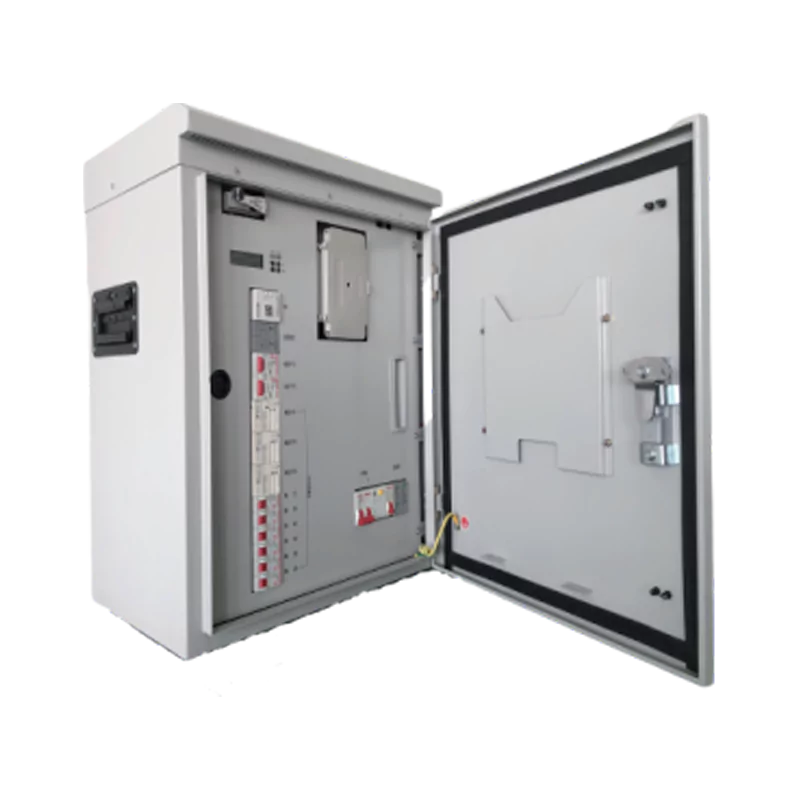
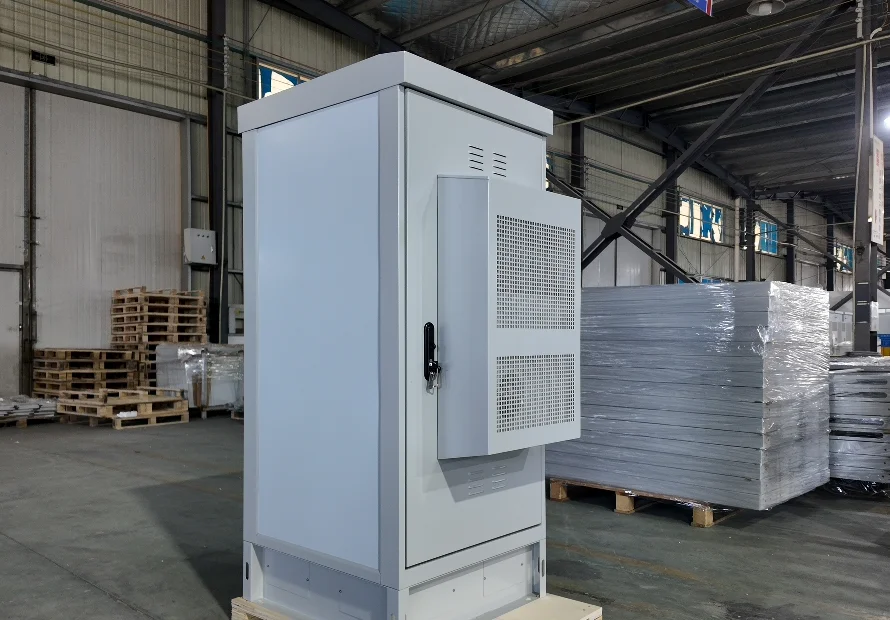
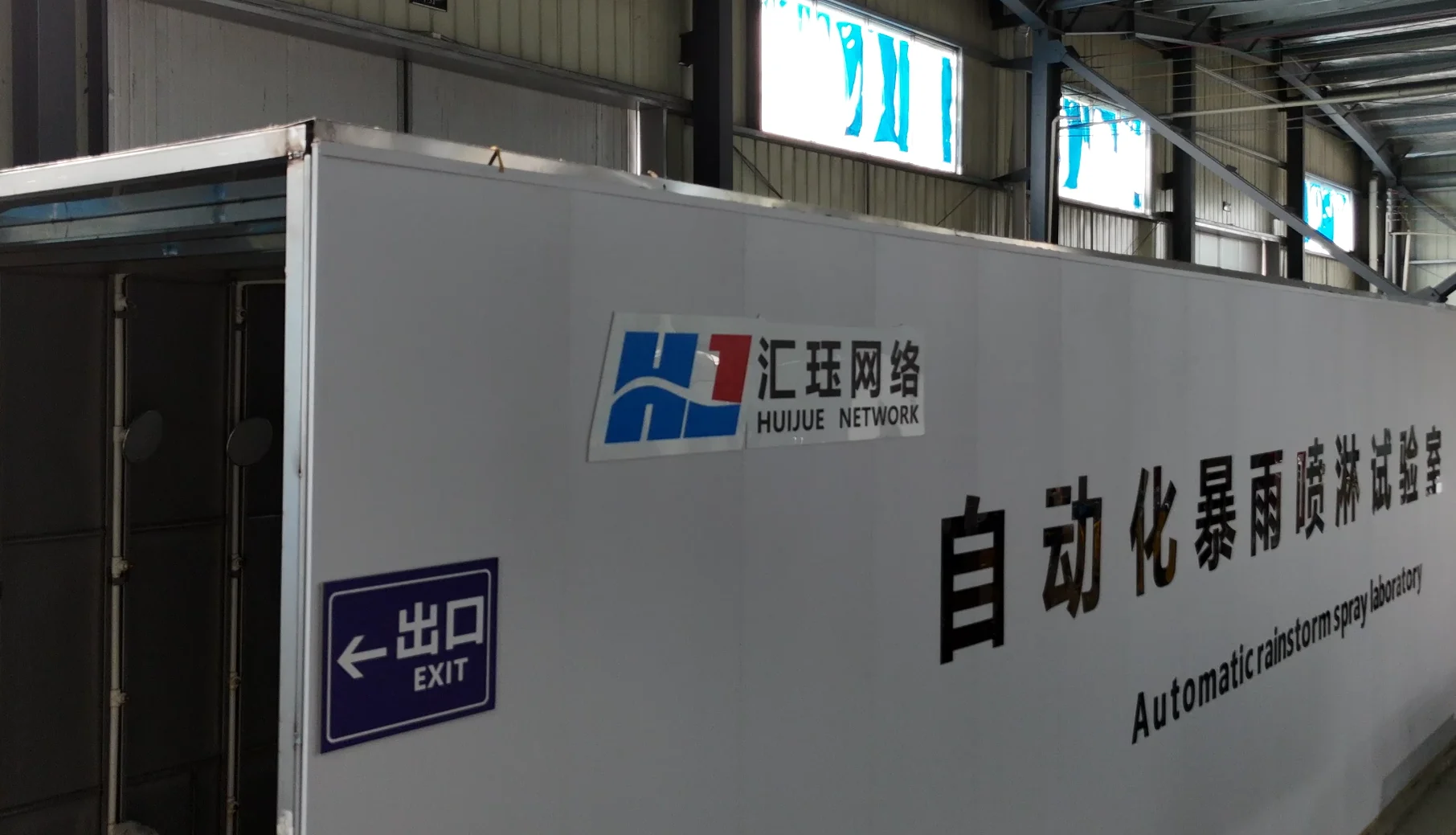
Sealed Protection: Cabinet doors employ aging-resistant, durable silicone gaskets combined with multi-point latching mechanisms to ensure a tight seal when closed. All cable entry points are fitted with waterproof cable glands, achieving “breathability while blocking water and dust.”
IP Protection Rating: This is the core standard for measuring protective capability. IP65 is a common high standard for outdoor waterproof cabinet boxes, signifying “dust-tight” (complete protection against dust ingress) and “protected against low-pressure water jets from any direction.” Higher ratings are required for sandy or coastal rainy/salty environments.
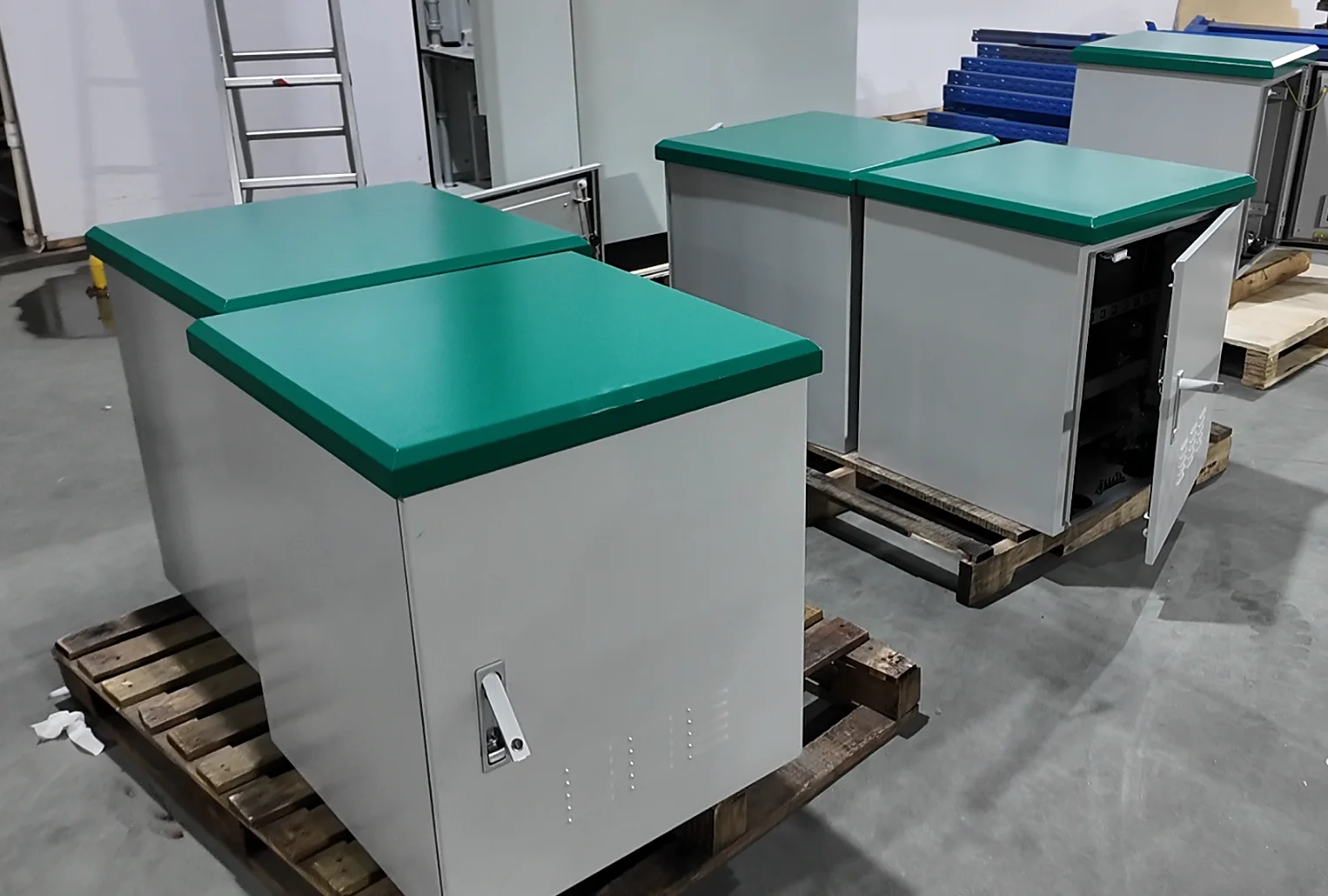
Robust Structure & Security: Constructed from high-quality galvanized steel with anti-corrosion treatments like phosphating and powder coating, or using stainless steel directly, ensuring over a decade of rust resistance. Reinforcing ribs and tamper-proof locks collectively defend against physical impact and unauthorized entry.
The Second Layer of Protection: Maintaining a Stable Internal Climate
Even when perfectly sealed, the cabinet must manage heat generated by equipment and challenges posed by external temperature and humidity swings. A constant, clean internal climate is key.
Intelligent Temperature Control System:
Passive Heat Dissipation: Suitable for low-heat scenarios, using labyrinth ventilation structures and dust filters for airflow.
Forced Ventilation: Built-in thermostatically controlled fans actively expel hot air, suitable for medium loads.
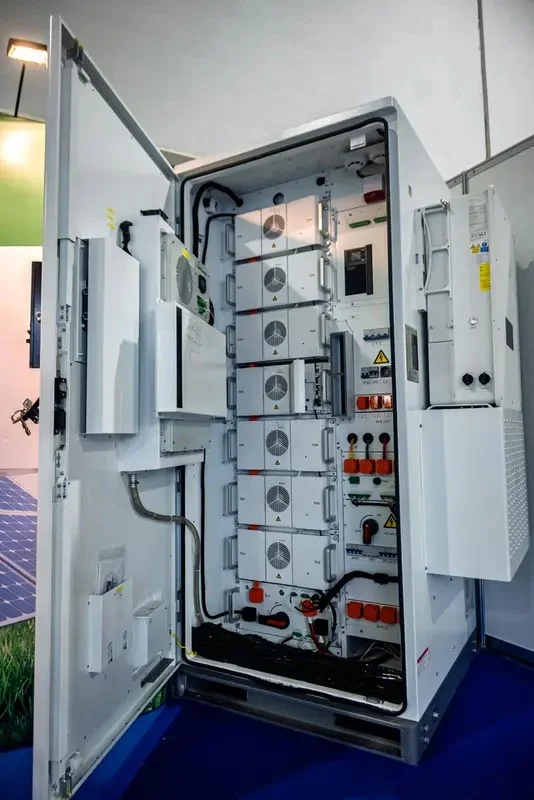
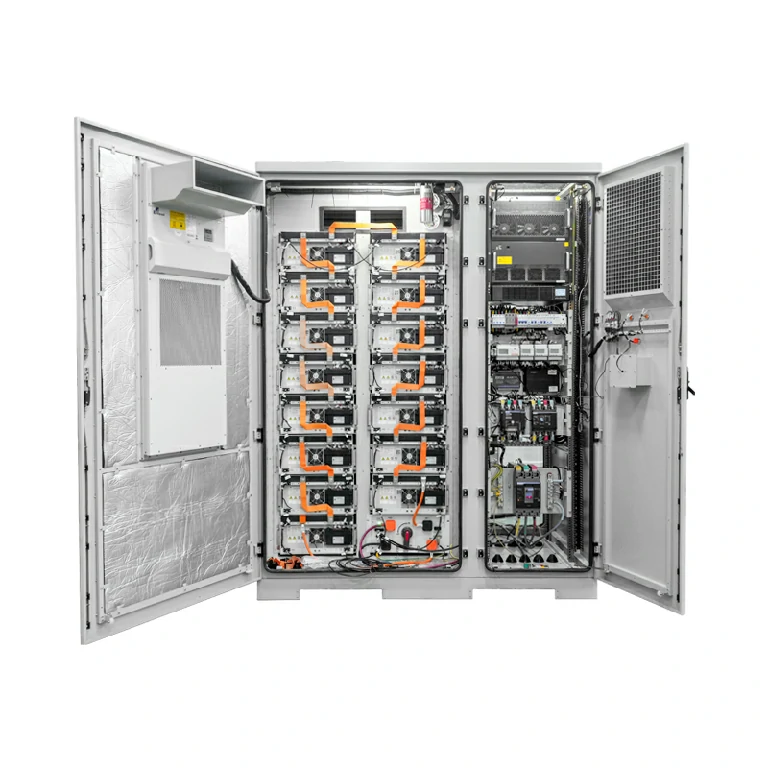
Active Cooling: For high-power equipment or extreme heat (e.g., deserts), integrating a cabinet-specific air conditioner or heat exchanger is necessary to strictly maintain the internal temperature within the optimal operating range for the equipment.
Precise Humidity Management:
Automatic Dehumidification: This is crucial to prevent condensation—the “silent killer.” By installing automatic thermostatically controlled heaters or semiconductor dehumidifiers, the relative humidity inside the weatherproof electrical enclosure outdoor is reduced during humid weather or large day-night temperature variations, preventing moisture from condensing on circuit boards and avoiding short circuits and corrosion.
Heating Assurance: In cold regions, heaters ensure the internal temperature does not fall below the minimum required for device startup or normal operation.
The Third Layer of Protection: Providing Clean and Secure Power & Signal Pathways
Power supply and signal transmission are the lifelines of the equipment. The cabinet provides comprehensive protection for these critical pathways.
Power Protection & Distribution:
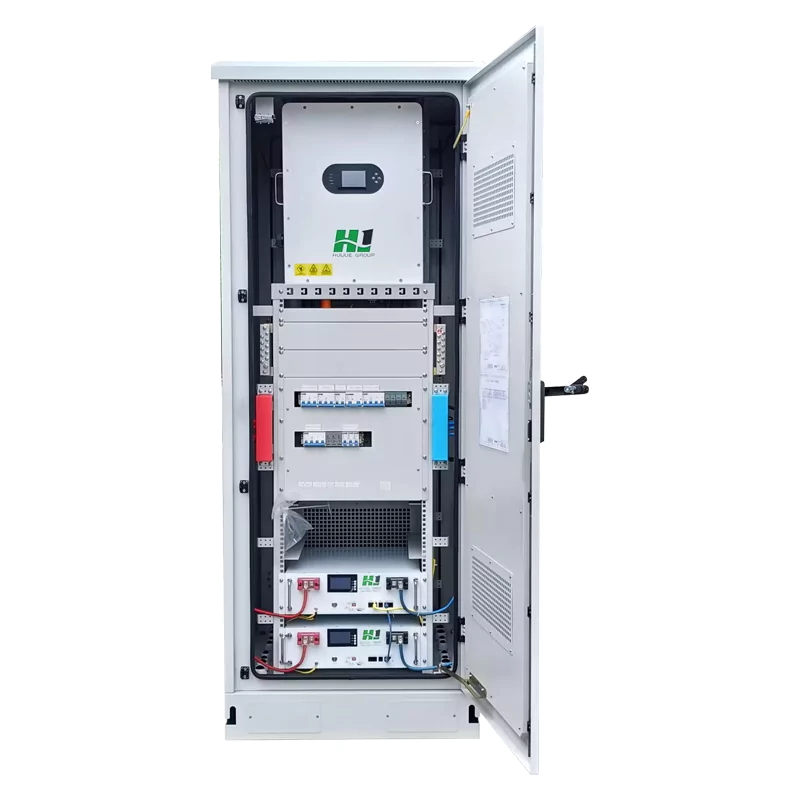
Surge Protection: Integrated lightning/surge protectors at the power entry point safely divert transient overvoltages caused by lightning induction or grid switching to the ground, protecting sensitive electronic components within the outdoor battery enclosure box or other devices.
Stable Power Distribution: Built-in industrial-grade Power Distribution Units (PDUs) with overload protection and circuit management provide stable, reliable, and manageable power to different devices.
Professional Grounding & Cable Management:
Reliable Grounding: The cabinet is equipped with standard grounding busbars and connected to earth via adequately sized conductors. This is the “lifeline” for equipment lightning protection, noise immunity, and personnel safety—a critical feature for any IP65 outdoor cabinet for energy systems.
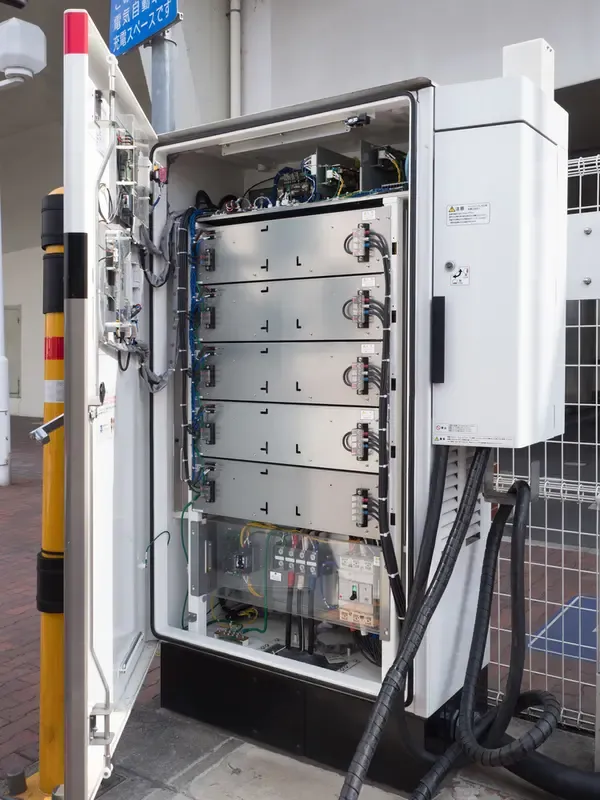
Neat Cable Management: Internal cable trays, routing loops, and clear pathways enable separation of power and data cables, keeping them organized. This not only improves aesthetics but also minimizes signal interference and simplifies maintenance and troubleshooting, which is essential inside a waterproof telecom cabinet.
Achieving Optimal Protection: Correct Selection, Installation, and Maintenance
Selecting and deploying a cabinet is a systematic project requiring comprehensive consideration:
1.Scientific Selection: Determine the required IP rating, temperature control solution (passive, fan, air conditioner), and cabinet size based on total equipment power consumption, heat dissipation, and historical climate data (max/min temperature, humidity, wind, dust) for the installation site.
2.Standardized Installation:
The location should avoid low-lying areas prone to water accumulation.
A concrete foundation is typically required to ensure stability and level placement.
The door opening direction should face away from the prevailing wind and strongest rain direction.
All grounding must be installed strictly according to specifications, meeting required resistance standards.
3.Regular Maintenance: Periodically inspect gasket elasticity, clean ventilation filters, test climate control devices (heaters, fans, air conditioners), and tighten electrical connections to ensure the protective system remains in optimal condition.
Conclusion
An outdoor weatherproof enclosure cabinet box is, in essence, a controlled micro-environment tailored for specific equipment. It evolves from passive protection (water and dust resistance) to active regulation (temperature and humidity control), integrating professional power and signal management to form a complete ecosystem solution.
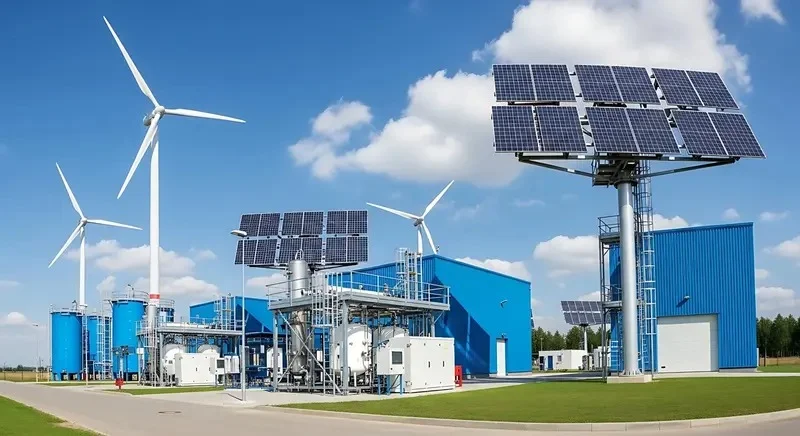
In the era of smart cities and the Internet of Things, countless such “steel guardians” stand against the elements, silently ensuring the stable pulse of our networks. Understanding and effectively applying their underlying guardian logic is a crucial foundation for ensuring the reliable and durable operation of critical infrastructure.