
What Is the Best IP Rating for Outside Outdoor Enclosure Cabinets?
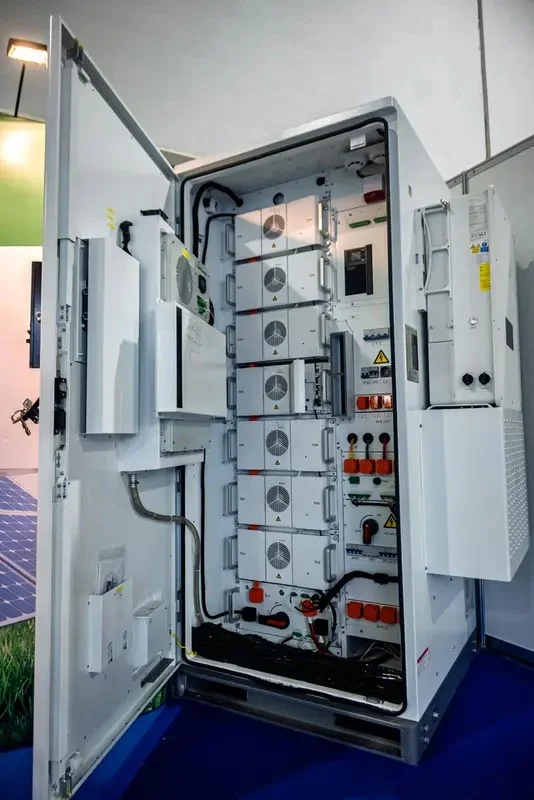
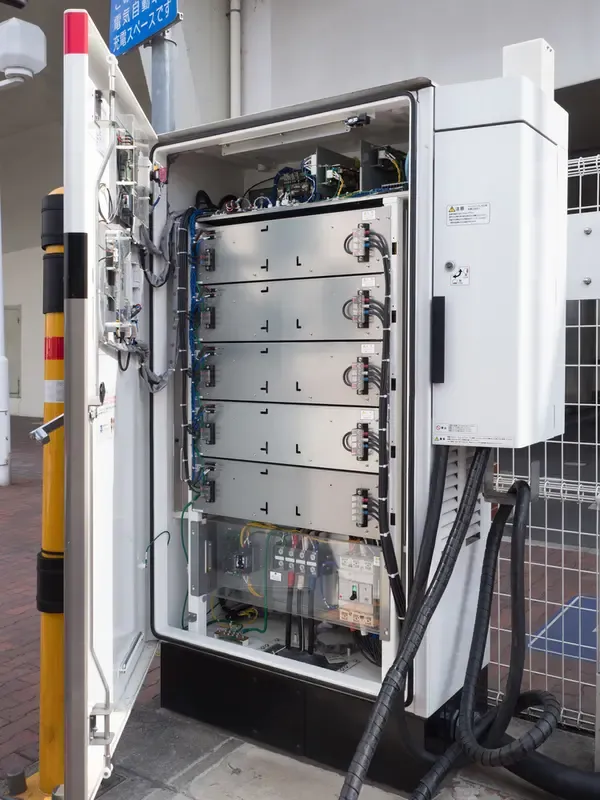
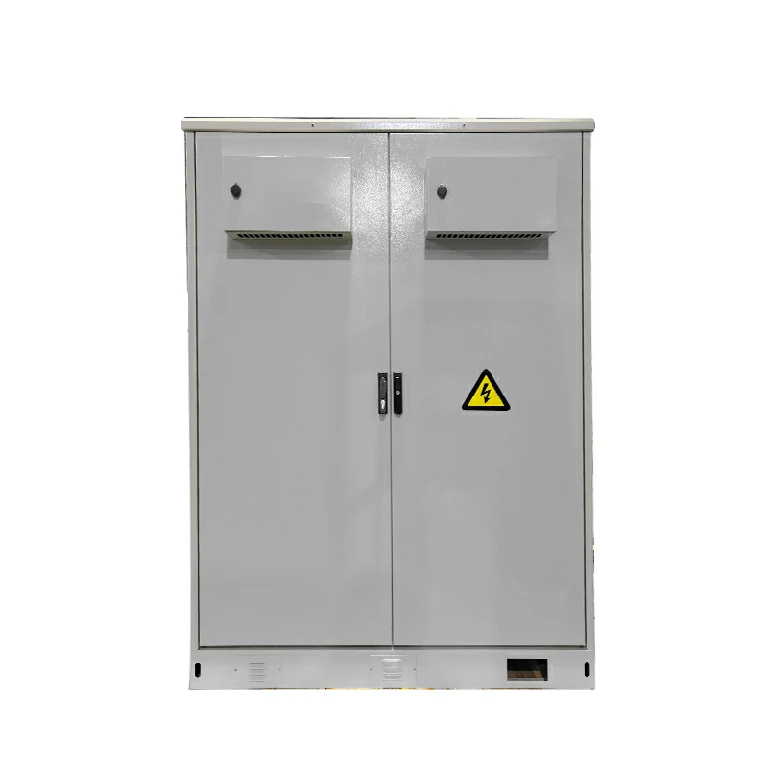
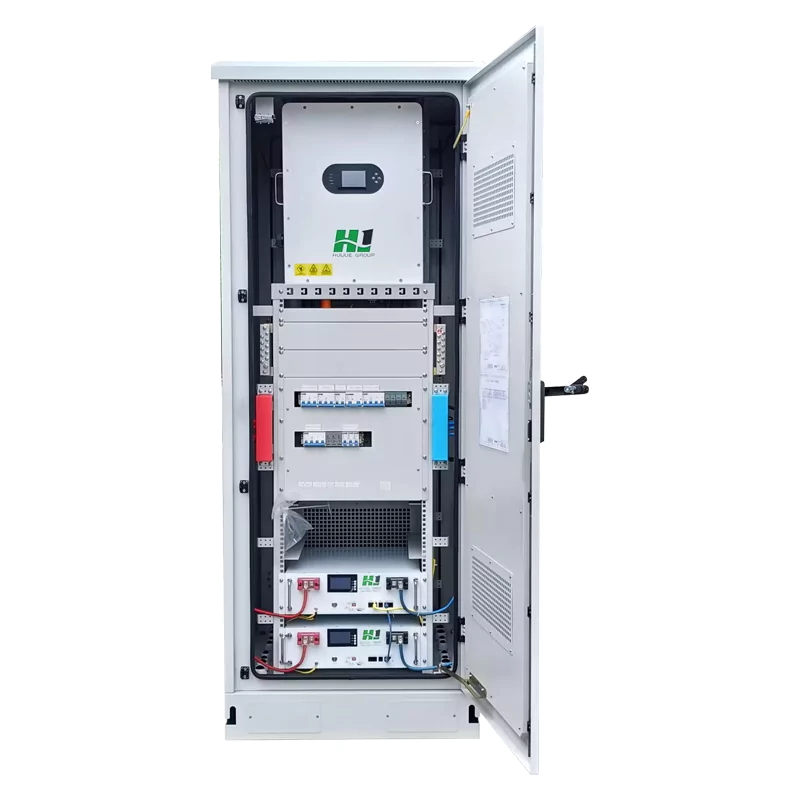
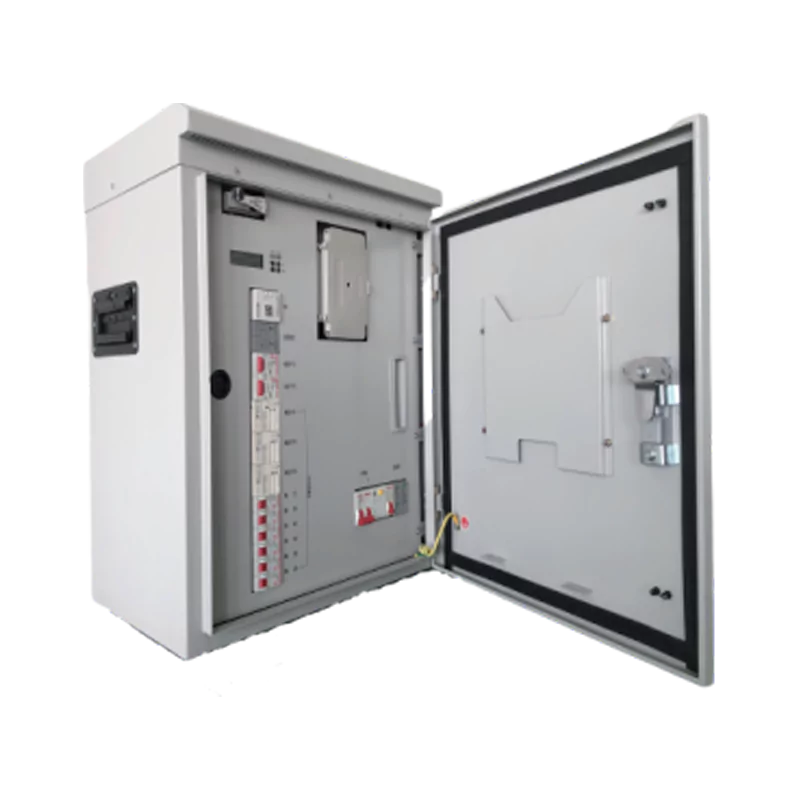
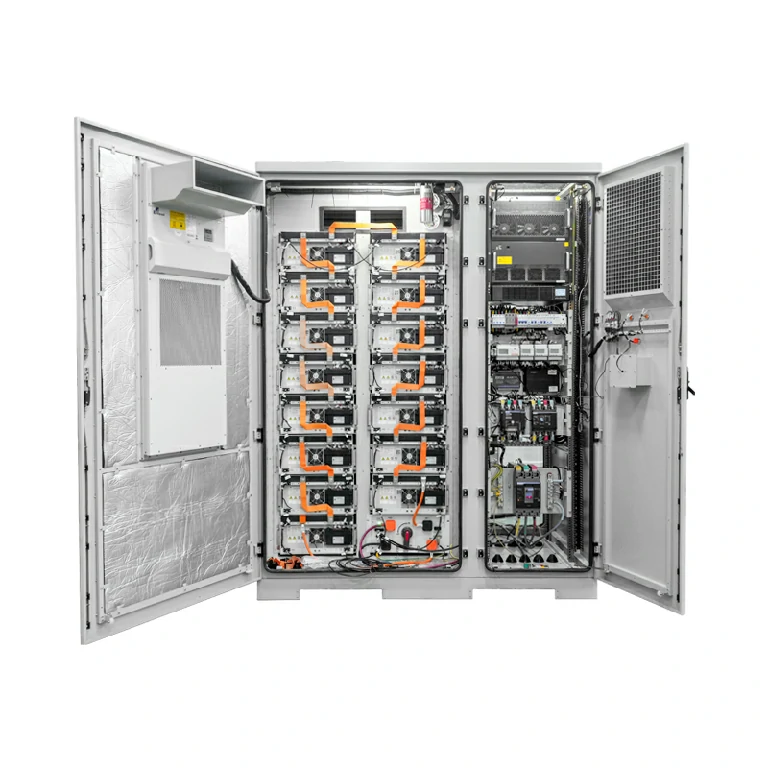
The moment people inquire about the most ideal IP for use outdoors, they basically want to tackle a very common issue of how they can be able to protect their outdoor enclosure cabinet from rain, dust, wind, as well as exposure to the environment without failing quickly. The need to attain durability without exposure to the environment becomes even more paramount for use, such as an outdoor telecom cabinet, an IP65 outdoor enclosure cabinet, as well as an outdoor battery cabinet.
At a general level, the “best” IP is a function of the location and installation practices for the cabinet. There is no one-size-fits-all number that applies in all environmental situations. There do exist specific guidelines, based largely on standards, that enable a narrow choice to be made.
Understanding What an IP Rating Really Means
IP rating, which stands for Ingress Protection, is used to define the level to which the enclosure resists solids and liquid materials. IP rating uses two numbers that define the level of protection. The first number stands for the protection of the enclosure from solids like dust, and the other stands for protection from water.
The International Electrotechnical Commission’s publication Ingress Protection (IP) ratings explains that the IP code is designed to provide a standardized way to describe enclosure protection levels so engineers and users can compare equipment objectively rather than interpret vague terms like “waterproof” or “weather resistant”.
In the case of outdoor enclosure cabinets, the first digit is generally less disputed. For the majority of outdoor applications, complete dust protection is required, which corresponds to the first digit being 6. The actual point of judgment in this case is the second digit, which determines the resistance of the enclosure cabinet to rain, splashing, or water jet cleaning.
Why the Outdoor Environment Requires a Higher IP Rating
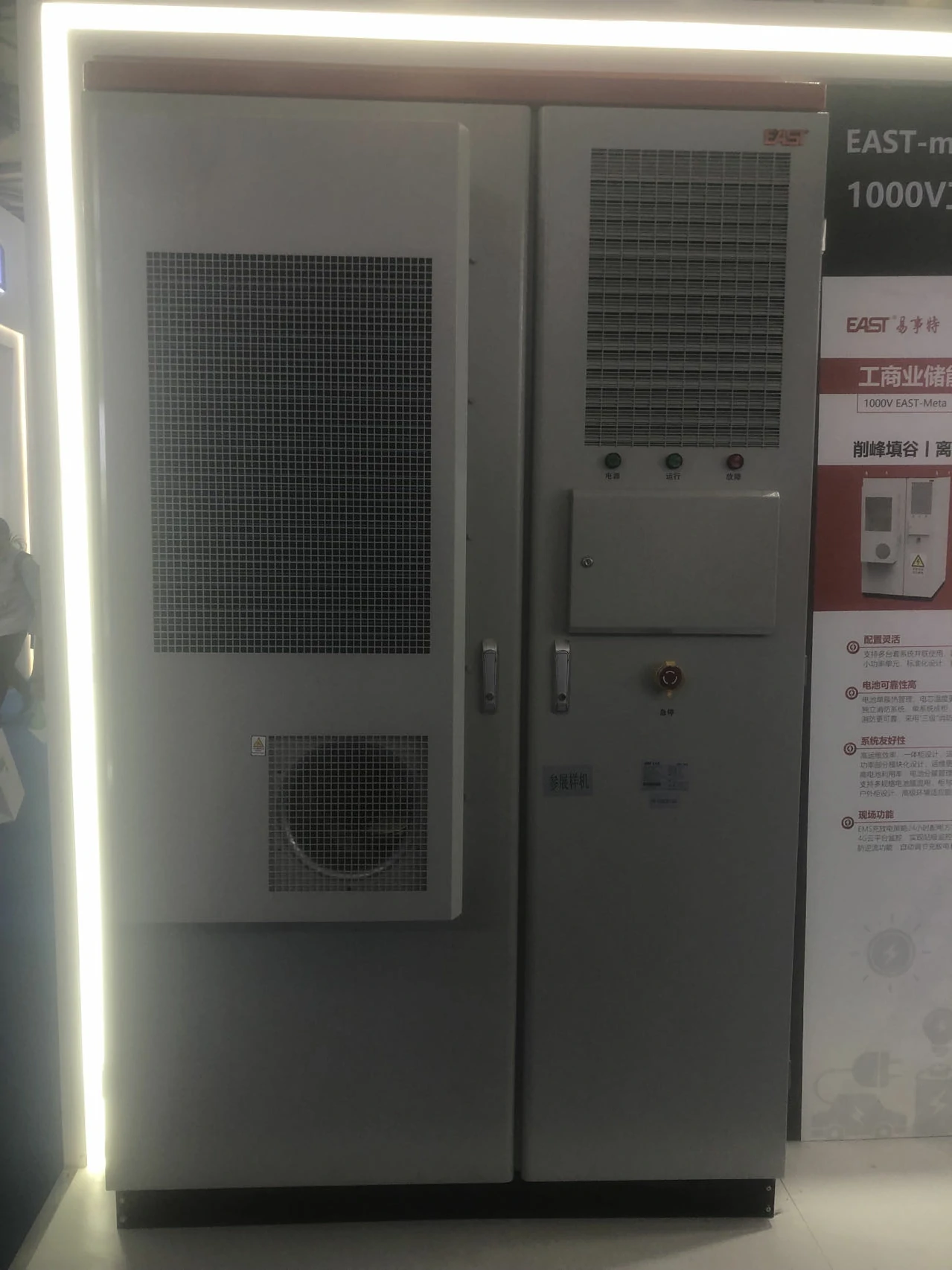
Outdoor environments are unpredictable. For regions with mild climatic conditions, enclosures could encounter wind-driven rain, dust deposition, insect entry, condensation, and temperature variation. A telecom cabinet and an outdoor battery cabinet exposed to the environment could see drastically differing conditions based on their location—a rooftop setting compared to the canopy at the ground level site.
The Bureau of Indian Standards’ publication IS/IEC 60529 (2001): Degrees of protection provided by enclosures (IP Code) shows that the IP classification system is specifically intended to match enclosure performance with environmental exposure rather than overgeneralize protection needs
The reason it matters is that using too high an IP rating can raise costs, weight, and cooling issues, and too low an IP rating can lead to water entry, corrosion, and electrical shock.
IP65: A Common Baseline for Outdoor Enclosure Cabinets
In many outdoor uses, IP65 has become the applicable standard. The IP65 outdoor enclosure cabinet is completely dust-tight and splash-proof when it is sprayed with water from all angles. In practical use, this means that it can withstand heavy rainfall and washing procedures without letting the water seep into the enclosure.
When telecom cabinets are to be installed outside to support telecom operations, the IP65 rating can be sufficient. In most of these instances, the environments are rain and dust, but the devices are not fully immersed and are not exposed to high-pressure water jets. This is the reason why the IP65 rating is adequate.
Practically speaking, the reason why IP65 is also a popular choice has to do with its well-suited nature towards the way in which outside equipment is mounted. Typically, the majority of the cabinets are mounted in a vertical manner, which allows the water to drain instead of accumulating in the seal area.
When IP66 Makes Sense for Outdoor Use
IP66 has the same level of protection as IP65 but with enhanced protection from powerful jets of water. This type of protection is preferred for outdoor enclosure cabinets in industries, in coastal areas, and in areas that have the potential for high-pressure washing.
In situations where an outdoor battery enclosure is placed in a utility yard or in the vicinity of other industrial machinery, IP66 protection may be desirable as an added guarantee of security. This standards rating helps to eliminate the risk of water damage that could occur with heavy cleaning or when subjected to the force of the storm in heavy rainfall in close proximity to the equipment’s location in outdoor environments.
However, IP66 is certainly not always “better” by default. A higher level of water resistance also typically results in more closed seals, and this could affect the ability to cool the source of heat. This aspect also needs to be taken into account while choosing the rating.
IP67 and IP68: Often Misunderstood for Outdoor Cabinets
The most often-quoted IP ratings in marketing include IP67 and IP68, but these are usually not needed for a standard outdoor enclosure cabinet. These ratings describe conditions related to protection against temporary or continuous immersion in water.
Unless an outdoor cabinet is being installed in a flood-prone area where submersion is expected, IP67 usually adds little practical value. As a matter of fact, designing a large outdoor telecom cabinet or battery cabinet to meet immersion requirements can introduce unnecessary complexity and cost.
The reality of most outdoor infrastructure requirements is the prevention of rain and wash-down ingress, rather than survival in an underwater condition. It is, therefore, no surprise that IP65 or IP66 has remained the dominant choice in most outdoor cabinet specifications.
Matching IP Rating to Real Installation Scenarios
The selection of an IP rating best suited for outdoor application should begin with an honest evaluation of the installation environment. Worth asking include how exposed the cabinet is to direct rain, will the unit be cleaned by hosing down, and whether dust or sand is an issue.
An outdoor enclosure cabinet installed under a shelter may operate just fine with IP54 or IP55; move that same cabinet to the middle of an open field and it may require IP65. A coastal installation of an outdoor telecom cabinet may benefit from IP66 not due to water exposure per se, but because salt-laden spray can take advantage of even minor weaknesses in sealing.
The IP rating shall also be put in conjunction with other design factors, such as gasket quality, door locking mechanisms, and maintenance practices. An IP66 cabinet installed badly will perform even worse than a good installation of an IP65 cabinet.
IP Rating Is Not the Only Outdoor Protection Factor
It is essential to point out that merely the IP rating does not guarantee outdoor durability over a long period of time. UV resistance, corrosion protection, thermal design, and condensation control are equally important factors for field performance.
An IP65-rated outdoor battery cabinet, for instance, may be poorly ventilated or have insufficient means for dissipating heat and, subsequently suffer from internal temperature build-up, which dramatically reduces the life of the batteries it stores. Similarly, another enclosure that meets IP rating requirements might degrade much faster when outdoors if low-quality coatings are used.
This is why standards like those described in IEC 60529 are best viewed as a foundation rather than as a complete specification. They define how ingress protection is measured but not how every other aspect of outdoor performance is assured.”
ENHANCED DISTANCE PROTECTION The German standard DIN EN 50102-3 defines IPx9K as the common European standard for high-pressure cleaning machines.
So, What Is the Best IP Rating for Outside?
In general, for most outdoor enclosure cabinet environments, IP65 would be the most balanced and ideal rating. This rating ensures protection from dust and protection against damaging rain and water jets without incurring excessive cost and complexity. IP66 will be applicable when there is high-pressure washing and/or extreme environmental and weather conditions.
Ratings such as IP67 should be used only in niche scenarios where the risk of immersion is genuine. Ratings that are lower, though fine in sheltered conditions, should be chosen with care.
It is essential to ensure that the IP rating is correlated with the actual prevailing conditions in the environment, installation methods, and maintenance requirements.
Final Takeaway for Outdoor Cabinet Selection
If you’re specifying an outdoor enclosure cabinet, telecom cabinet, or battery cabinet, begin your specification of the environment and not the rating. IP65 is a good baseline protection level; move to IP66 protection only when you meet the specified conditions. Avoid overspecifying unless you’ve got a specific reason for doing so.
By basing your decisions in the standard definitions by reputable sources and aligning them with the actual usage, you are subsequently minimizing risk and volatility in the long term to an acceptable degree when it comes to cost and predictability. When it comes to outdoor use, the most suitable IP rating would not be the most impressive in theory; instead, it would be the most relevant to the specific setting in which you are operating.