
Electrical Cabinet Enclosures: What They Are and Why They Matter for Outdoor Power Systems
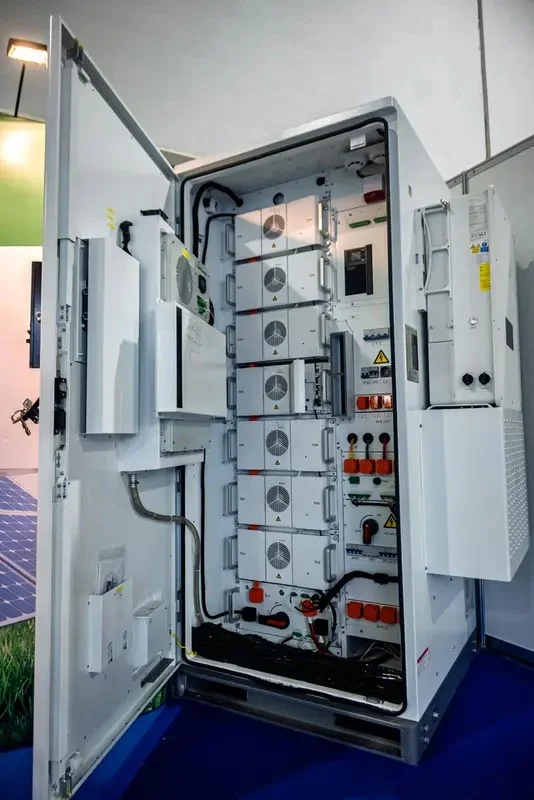
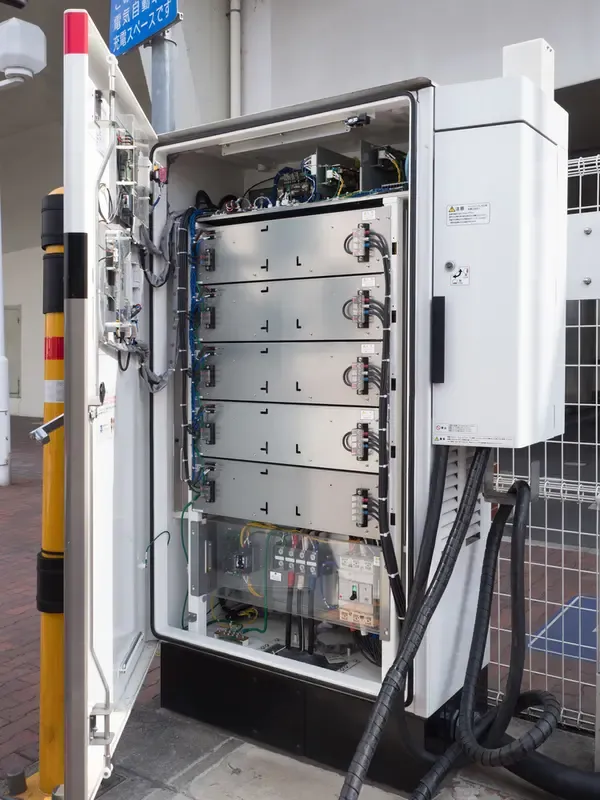
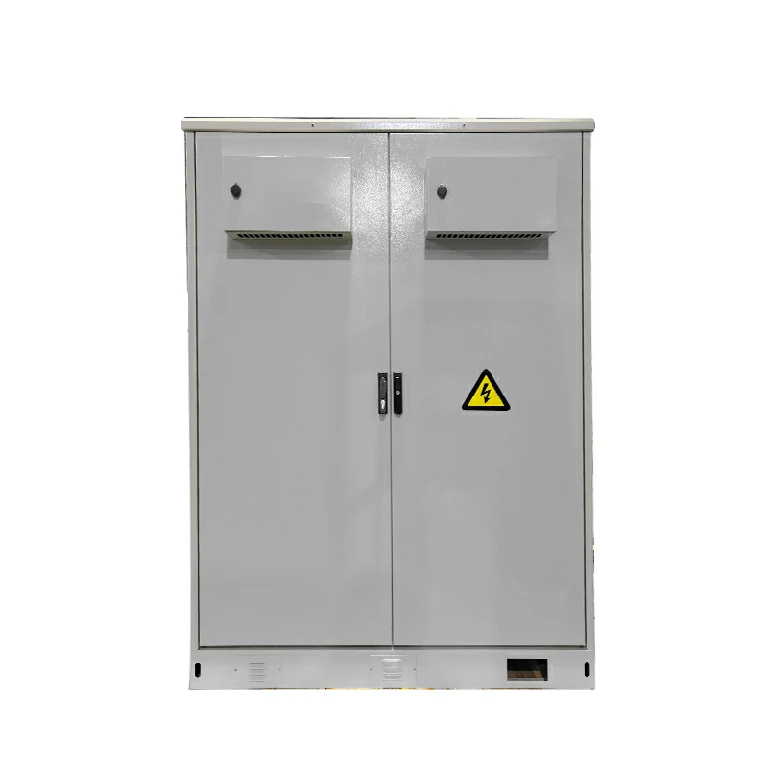
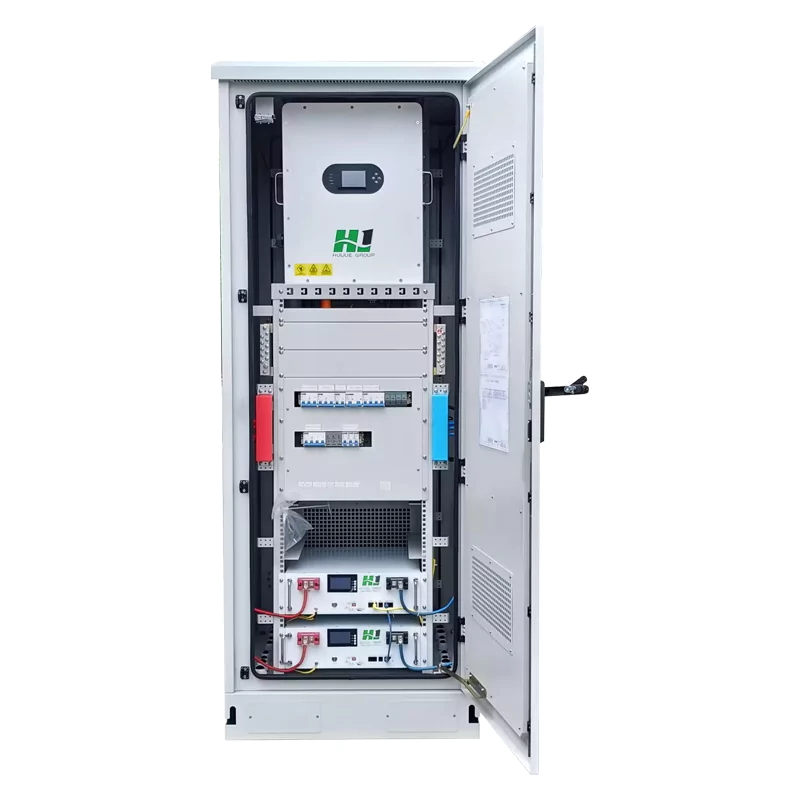
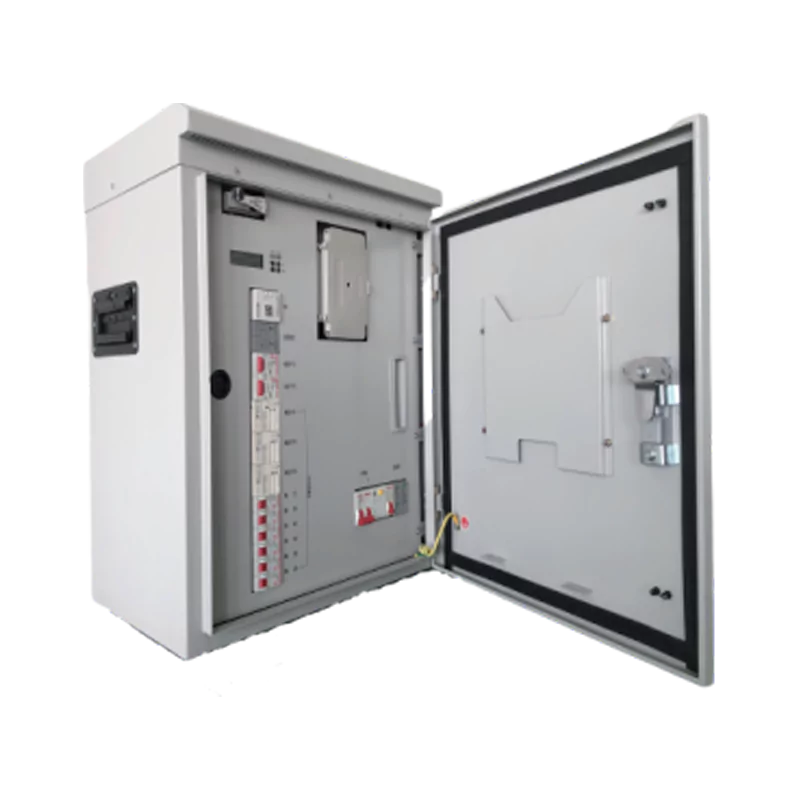
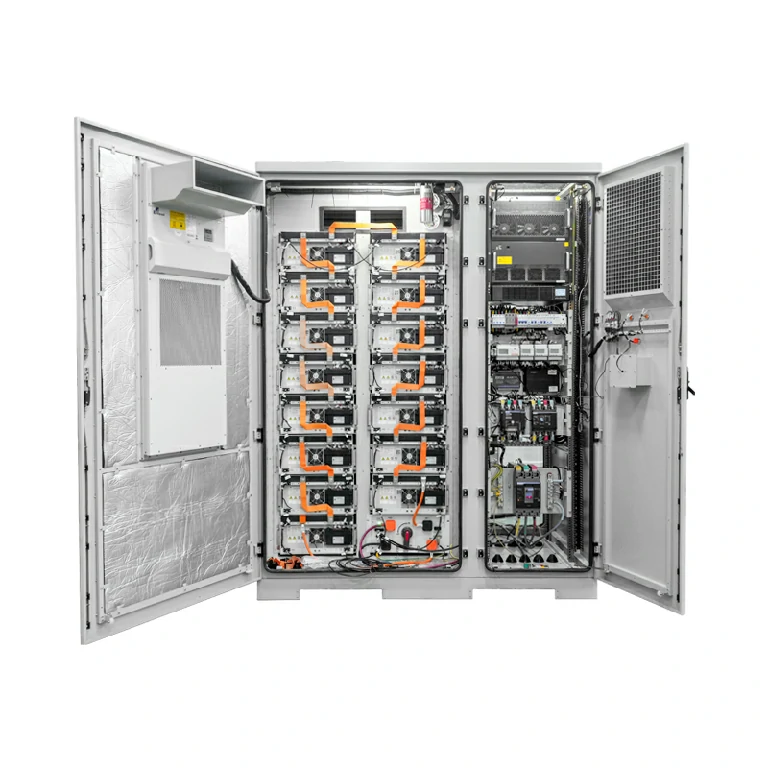
What is an Electrical Cabinet Enclosure? An Electrical Cabinet Enclosure is far more than a simple metal enclosure for a variety of electric components. And in the case of an outdoor power distribution system, it is in fact the first and often sole barrier against the elements as well as against improper touching and equipment degradation, be it control or industrial in nature.
In real-world situations, many outdoor failures due to “electrical issues” can be traced back to decisions made in the early design stages regarding the enclosure of the electrical cabinet. Knowing what it means by electrical cabinet enclosure, what the different types of electrical cabinet enclosures entail, and the significance of electrical cabinet enclosures can prevent outdoor failures from occurring in the first place.
What an Electrical Cabinet Enclosure Actually Does
In essence, the main function of an electrical cabinet enclosure is to protect energized devices like breakers, relays, and control wiring. However, in the outdoor setting, the function assumes prominence.
A properly specified enclosure must protect internal equipment against rain, snow, wind-blown dust, and temperature extremes. It has to minimize the risk of human contact with live parts, particularly in publicly accessible or industrial sites. Structural rigidity, door sealing, and mounting design all contribute to the long-term performance of the enclosure.
With outdoor power systems, the enclosure is not a passive container; rather, it is an active part of the system’s risk management strategy.
Why Outdoor Power Systems Raise the Stakes
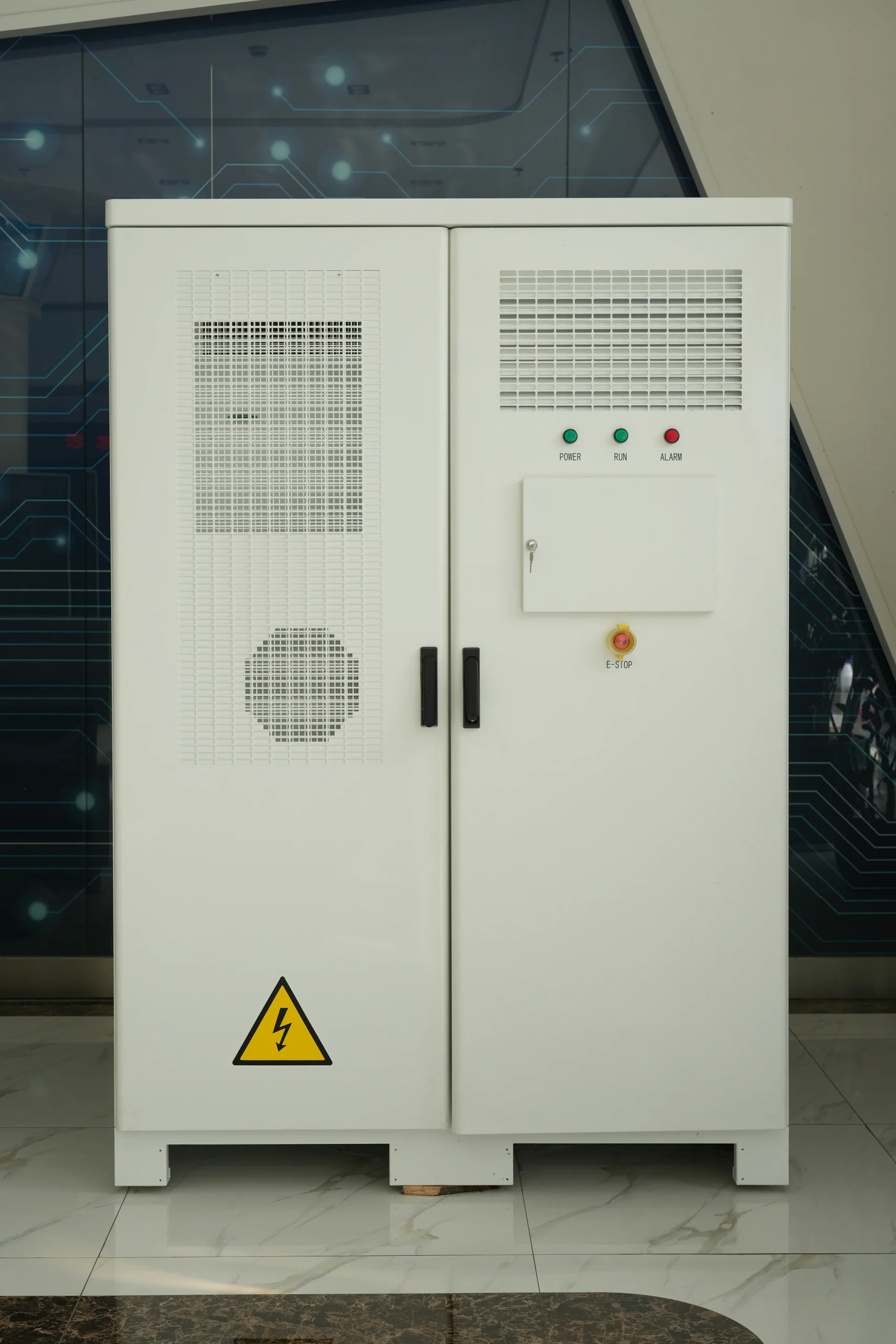
Outdoor electrical installations are subject to environmental conditions that indoor systems seldom, if ever, experience. Moisture intrusion can promote corrosion, insulation breakdown, and even cause short circuits. Dust and airborne contaminants can settle on terminals and busbars, adding to their resistance and heating. Even thermal cycling due to day-night temperature swings creates stress on seals and fasteners.
These risks explain why outdoor electrical cabinet enclosures are evaluated differently from indoor industrial cabinets. Design decisions have to assume exposure, not exception. This is also why enclosure standards exist in the first place: to provide some common technical language for protection levels and environmental resistance.
Understanding IP Ratings for Weatherproof Protection
One of the most widely used classification systems for enclosures is the IP rating. IP, or Ingress Protection, defines how well an enclosure resists the entry of solid objects and liquids.
The International Electrotechnical Commission’s publication Ingress Protection (IP) Ratings explains that the IP code consists of two digits, where the first indicates protection against solid particles such as dust, and the second indicates protection against water. Higher numbers correspond to higher levels of protection.
For instance, the IP65 rating on an enclosure means that the enclosure is dust-tight and protected from water jets. This makes it ideal for use in a variety of outdoor electrical cabinets. However, there are some real-world aspects that the IP rating does not take into consideration. This explains why the IP rating is always utilised together with other standards.
IP Ratings in Practice Selection
In outdoor power systems, IP ratings work well as a standard where environmental seals are of great importance. These ratings can determine whether a housing resists heavy rain, a wash-down environment, or a dusty industrial environment. One thing that IP ratings do not determine is how the housing is installed or how it is maintained. These factors have impacts on safety as well.
NEMA Enclosure Types and Industrial Context
In North America, NEMA enclosure classifications are commonly used to define enclosure performance in industrial and outdoor environments. These types go beyond basic ingress protection and incorporate use-case assumptions tied to installation conditions.
The National Electrical Manufacturers Association’s standard Enclosures for Electrical Equipment (1,000 Volts Maximum) defines enclosure types such as NEMA 3R, 4, and 4X, each intended for different environmental exposures. For instance, NEMA 3R enclosures are designed for outdoor use primarily to protect against rain and ice formation, while NEMA 4X adds corrosion resistance for harsher environments.
Where industrial electrical cabinets are concerned, NEMA ratings can prove to be more practical considerations than IP when the presence of corrosion, water from hoses, and access are involved.
IP vs NEMA: A Simplified Comparison
| Aspect | IP Rating System | NEMA Enclosure Types |
| Primary focus | Dust and water ingress | Environmental exposure and use case |
| Geographic use | International | Primarily North America |
| Corrosion consideration | Not defined | Included in certain types |
| Installation assumptions | Minimal | Explicit |
This is why there are often requirements for outdoor electric control cabinets that refer to both systems instead of choosing one over the other.
Safety and Regulatory Expectations for Enclosures
Aside from the aspect of protecting the environment, electrical cabinet enclosure is essentially used in the safety of human resources. Wrong selection of the enclosure may endanger human resources by bringing energized parts close to the human body.
The Occupational Safety and Health Administration’s regulation 1910.303 – General Requirements for Electrical Equipment explains that electrical equipment must be installed in a manner that prevents hazards arising from environmental exposure and physical contact. This requirement makes enclosure choice a compliance issue, not merely a design preference.
Outdoors, in power systems, these often come down to selecting the enclosure for staying secure, closed, and protective during the aging of seals and changing conditions. An enclosure has to support safe access without encouraging unsafe workarounds, such as propped-open doors or bypassed locks.
Industrial Electrical Cabinets and Long-Term Reliability
Outdoor industrial electrical cabinets are designed to run for years with access to little or no maintenance. The reliability depends on the internal parts but also on how well the enclosure is able to maintain a consistent atmosphere inside.
Condensation is an underrated and common problem, wherein even a weatherproof electrical enclosure can house moisture if temperature differentials are ignored. The general solutions to this issue are venting, heaters, or breathable membranes, but their compatibilities are normally reliant on the enclosures’ design and ratings.
From the perspective of its lifecycle, enclosure failure often precedes component failure. Rusted hinges, compromised gaskets, and deformed panels can turn a compliant enclosure into a liability long before electrical parts reach end of life.
Choosing the Right Electrical Control Cabinet for Outdoor Use
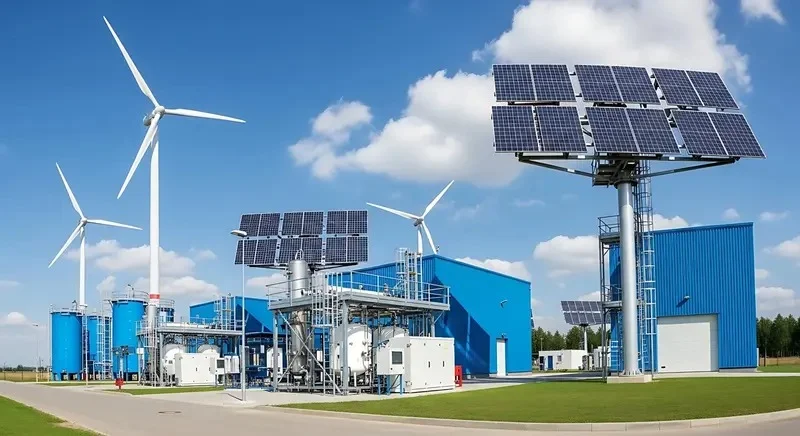
Selecting an electrical control cabinet for outdoor power systems is inherently a balancing act among standards, environment, and operational realities. The process is rarely about picking the “highest rating” available but one of understanding which risks are most relevant to the installation.
Key factors to consider include the local climate, the enclosure’s exposure to direct spray or flooding, and potential exposure to corrosive agents. Also, consider how frequently the cabinet will be entered. An operationally inconvenient, yet technically conforming enclosure, often invites unsafe modifications over time.
The best specifications treat the electrical cabinet enclosure as an engineered system component, not as an accessory added at the end of the design process.
Why Enclosure Decisions Deserve Early Attention
Outdoor power systems can be quite harsh. It is difficult and costly to change an enclosure after it is put into place. It is even sometimes not possible without having to shut down operation. It is essential to pay attention to enclosure standards and usage right from the start.
An understanding of IP ratings, NEMA ratings, and safety requirements as non-competeting models with synergies can clarify and justify the selection of enclosure styles. This has the implication of going beyond mere safety to the realm of longevity and predictability.
In terms of practical applications, understanding and selecting appropriate electrical cabinet enclosures is a worthwhile investment for system reliability. Professionals who view electrical cabinet enclosures from this perspective and invest resources there can expect to focus less time troubleshooting and more time operating a reliable outdoor power system.