
What Is a Telecommunication Cabinet?
In today’s always-connected world, mobile signals, broadband networks, and data transmission rarely sleep. Behind this 24/7 connectivity, there is a piece of infrastructure most people never notice—but cannot live without: the telecommunication cabinet.
So, what exactly is a telecommunication cabinet, and why is it so important?
What Is a Telecommunication Cabinet?
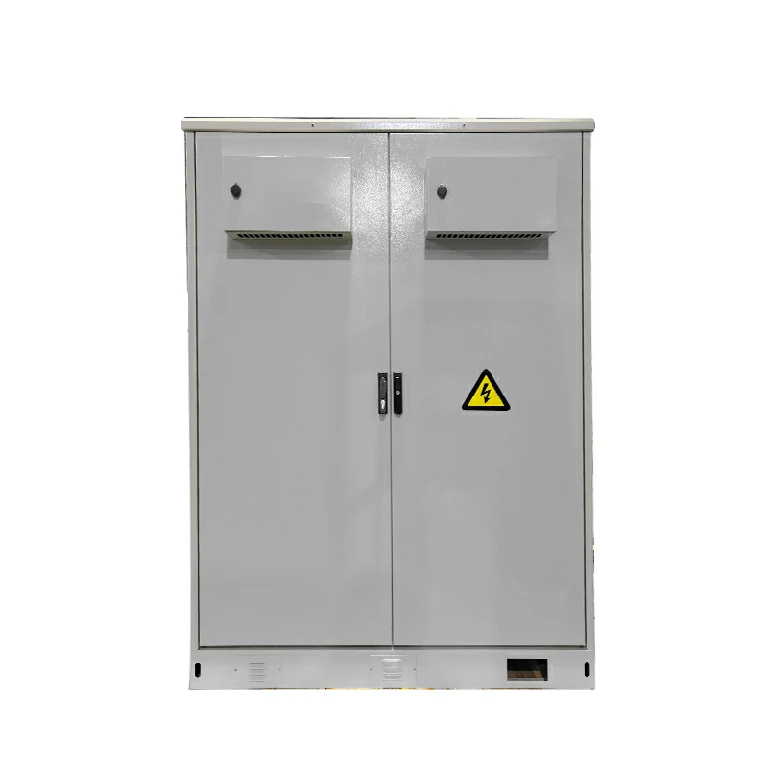
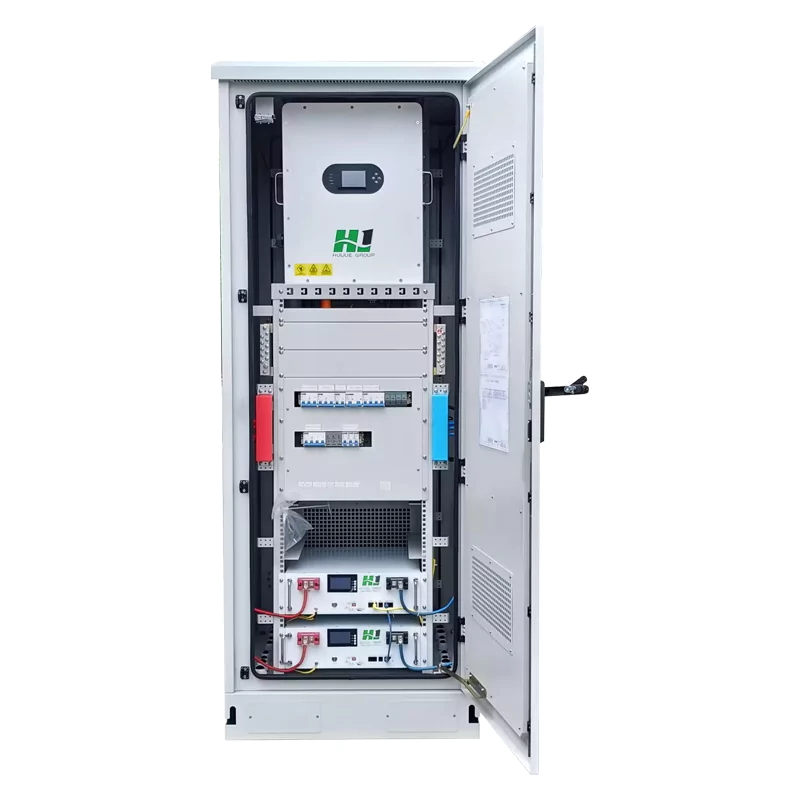
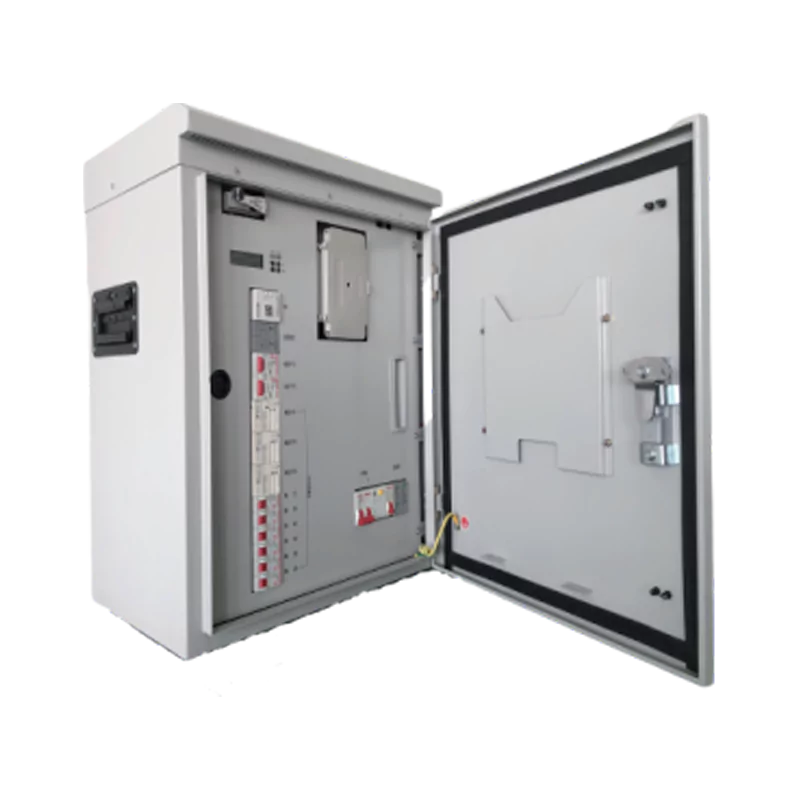
A telecommunication cabinet (also called a telecom cabinet or communication cabinet) is a protective enclosure designed to house critical telecom equipment and keep it operating safely and reliably.
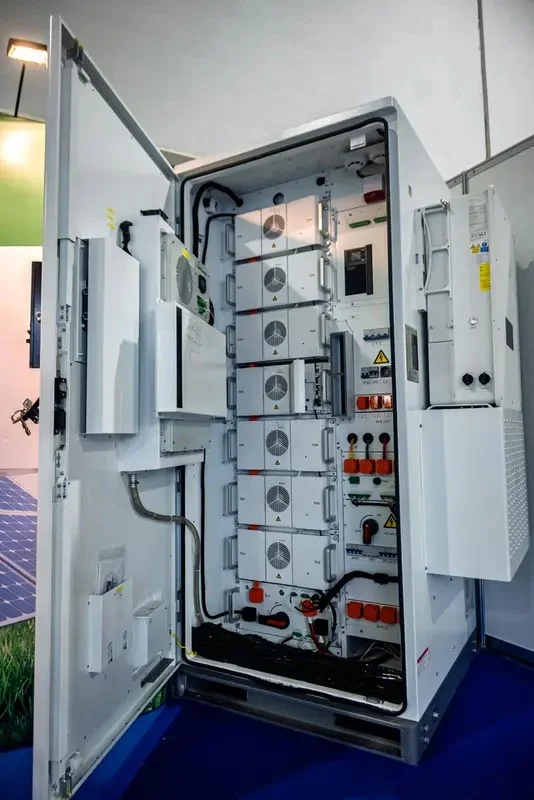
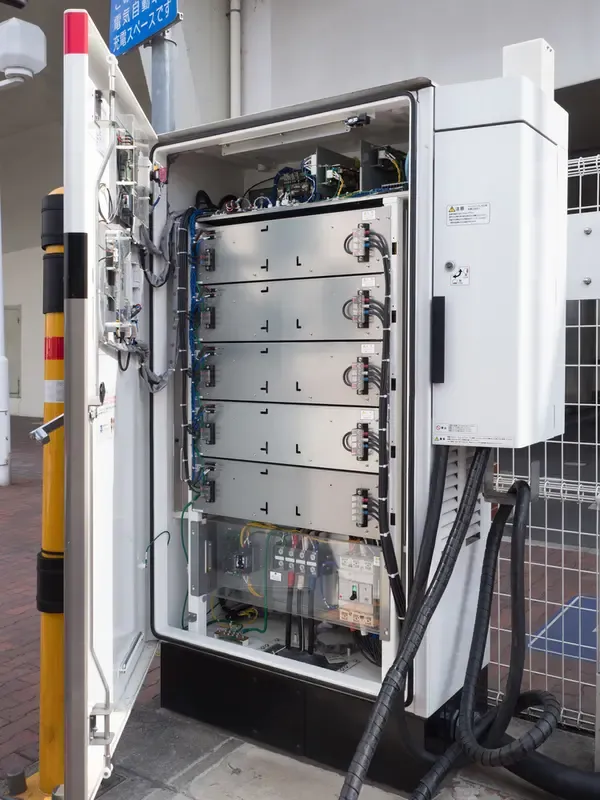
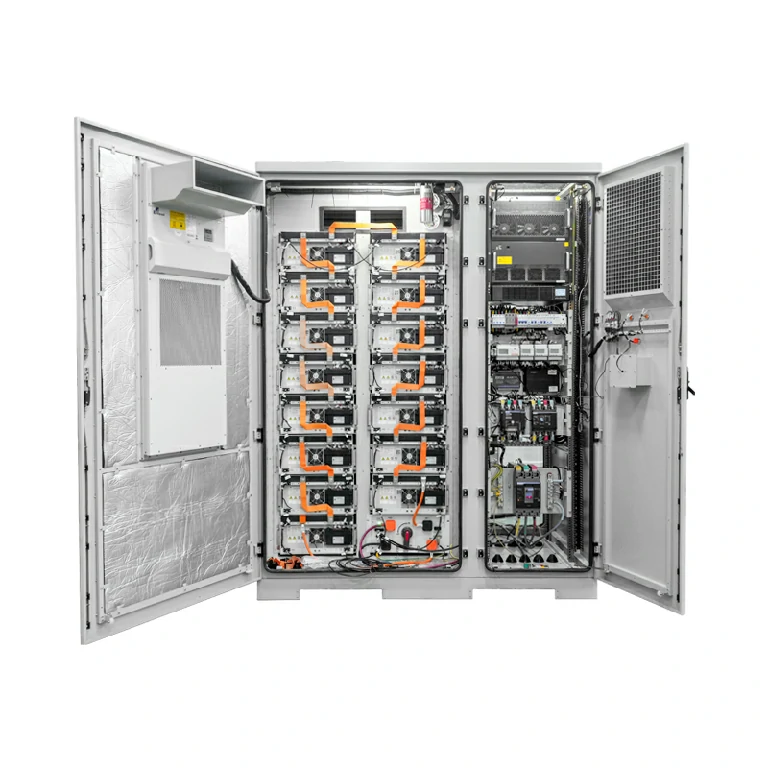
- Inside a typical telecom cabinet, you’ll find equipment such as:
- Network switches and routers
- Base station equipment (BBU, RRU, BTS)
- Power supply units (AC/DC)
- Rectifiers and DC distribution modules
- Backup batteries (lithium or lead-acid)
- Cooling systems (air conditioners, fans, heat exchangers)
- Monitoring and alarm systems
In simple terms, a telecom cabinet works like a mini equipment room, especially in places where building a full shelter or data room is impractical.
Where Are Telecommunication Cabinets Used?
Telecommunication cabinets are widely deployed across different network scenarios, including:
- 4G / 5G mobile base stations
- Fiber optic and broadband access nodes
- Rural and remote communication sites
- Smart city infrastructure
- Transportation systems
- Emergency or temporary communication setups
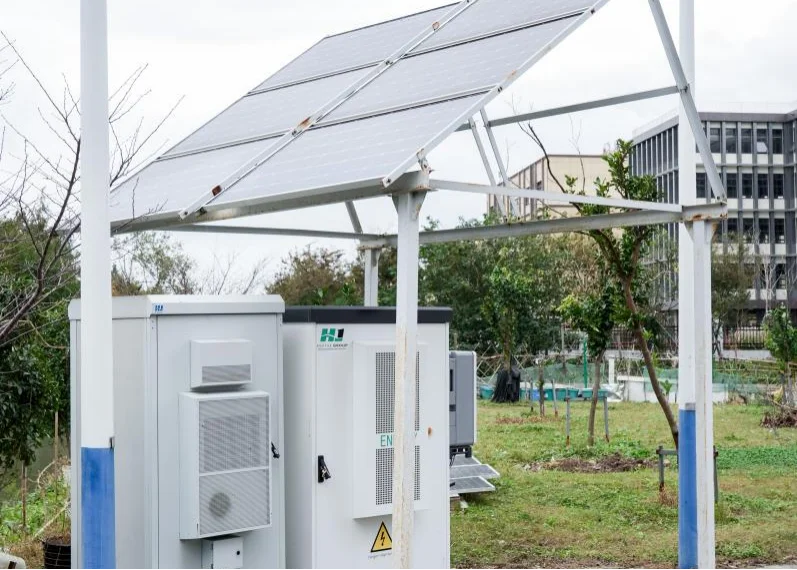
In outdoor environments, the telecom cabinet becomes the core infrastructure that keeps communication equipment running without interruption.
Key Functions of a Telecommunication Cabinet
1. Equipment Protection
Telecom equipment is sensitive to environmental conditions. A telecommunication cabinet protects devices from:
- Rain, dust, sand, and pollution
- Extreme heat or cold
- Vibration and physical impact
- Unauthorized access or vandalism
Most outdoor cabinets are designed with IP55–IP65 protection levels, ensuring long-term reliability in harsh conditions.
2. Power Management
Power stability is critical for telecom networks. Telecom cabinets usually integrate:
- AC and DC power systems
- Rectifiers and converters
- Backup battery storage
- Surge and lightning protection
This allows communication systems to continue operating even during grid outages.
3. Thermal Control
To maintain stable performance, telecom cabinets include temperature management systems such as:
Intelligent air conditioning
Ventilation fans
Heat exchange units
Proper thermal control not only prevents failures but also extends the lifespan of telecom equipment.
4. Intelligent Monitoring
Modern telecommunication cabinets are increasingly smart. Many support:
Remote monitoring and control
Temperature and humidity sensors
Door-open and intrusion alarms
Power and battery status tracking
This enables unattended operation, reducing maintenance costs and on-site labor.
Indoor vs Outdoor Telecommunication Cabinets
Not all telecom cabinets are the same. They are generally classified into two types:
Indoor telecom cabinets: Installed in data rooms, shelters, or central offices, mainly focusing on space efficiency and cable management.
Outdoor telecom cabinets: Built for harsh environments, with weatherproof structures, corrosion resistance, and integrated cooling and power systems.
Outdoor cabinets are especially critical for distributed network deployments.
Why Telecommunication Cabinets Matter
Telecommunication networks demand high availability. A failure at a single cabinet can disrupt:
Mobile network coverage
Internet access
Emergency communications
That’s why telecom cabinets are engineered for:
High reliability
Long service life
Easy installation and maintenance
They form the foundation of modern digital infrastructure, even though they often operate quietly in the background.
The New Trend: Telecom Cabinets + Energy Storage
As energy costs rise and grid stability becomes less predictable, telecom cabinets are evolving.
More sites are now integrating:
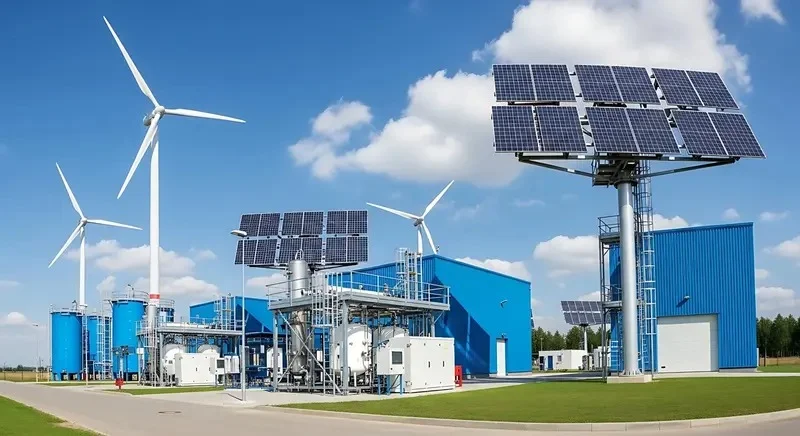
Lithium battery energy storage
Solar power systems
Hybrid power solutions
These upgrades help telecom operators:
Reduce operating costs
Improve power reliability
Support off-grid or weak-grid locations
In many regions, energy-integrated telecom cabinets are becoming the new standard.
Final Thoughts
A telecommunication cabinet is far more than a metal box. It is a complete system that combines protection, power management, thermal control, and intelligent monitoring to keep communication networks running smoothly.
As 5G, smart cities, and remote connectivity continue to expand, telecommunication cabinets will play an even more critical role—quietly supporting the digital world we rely on every day.