
Top 7 Advantages of Using an Outdoor Battery Cabinet for Energy Storage
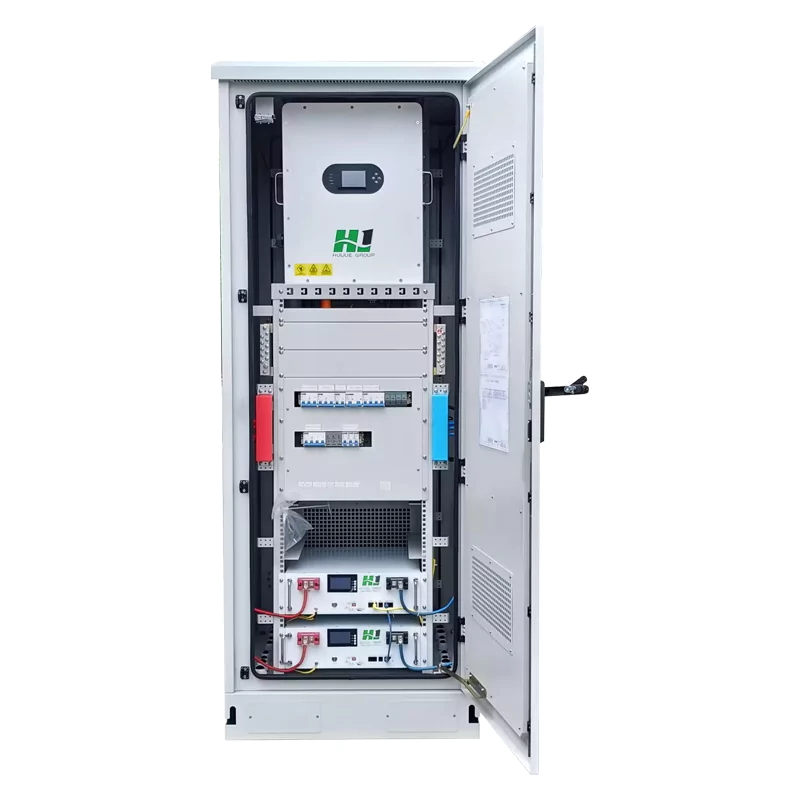
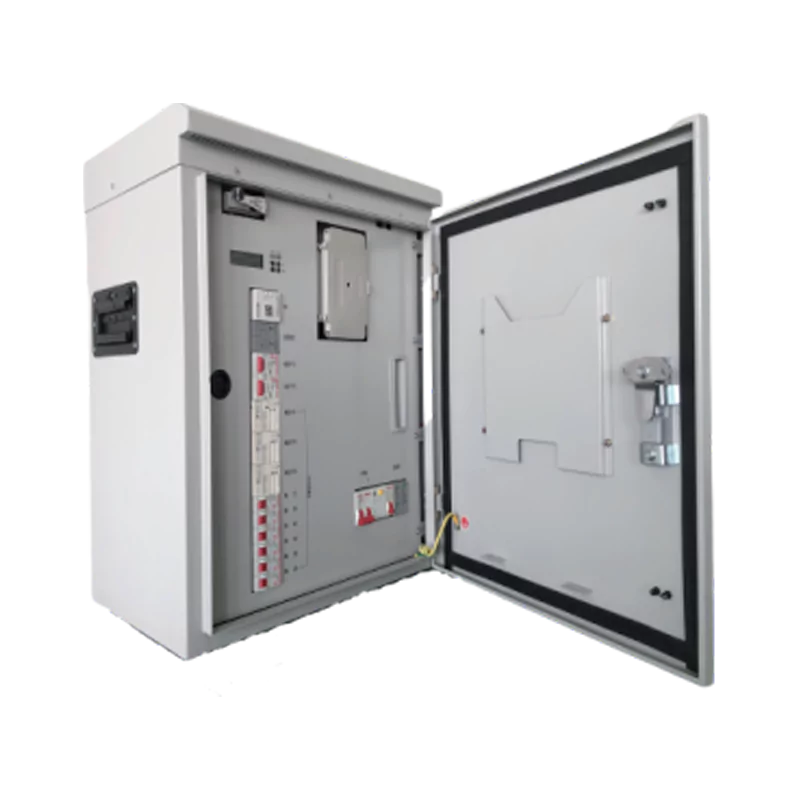
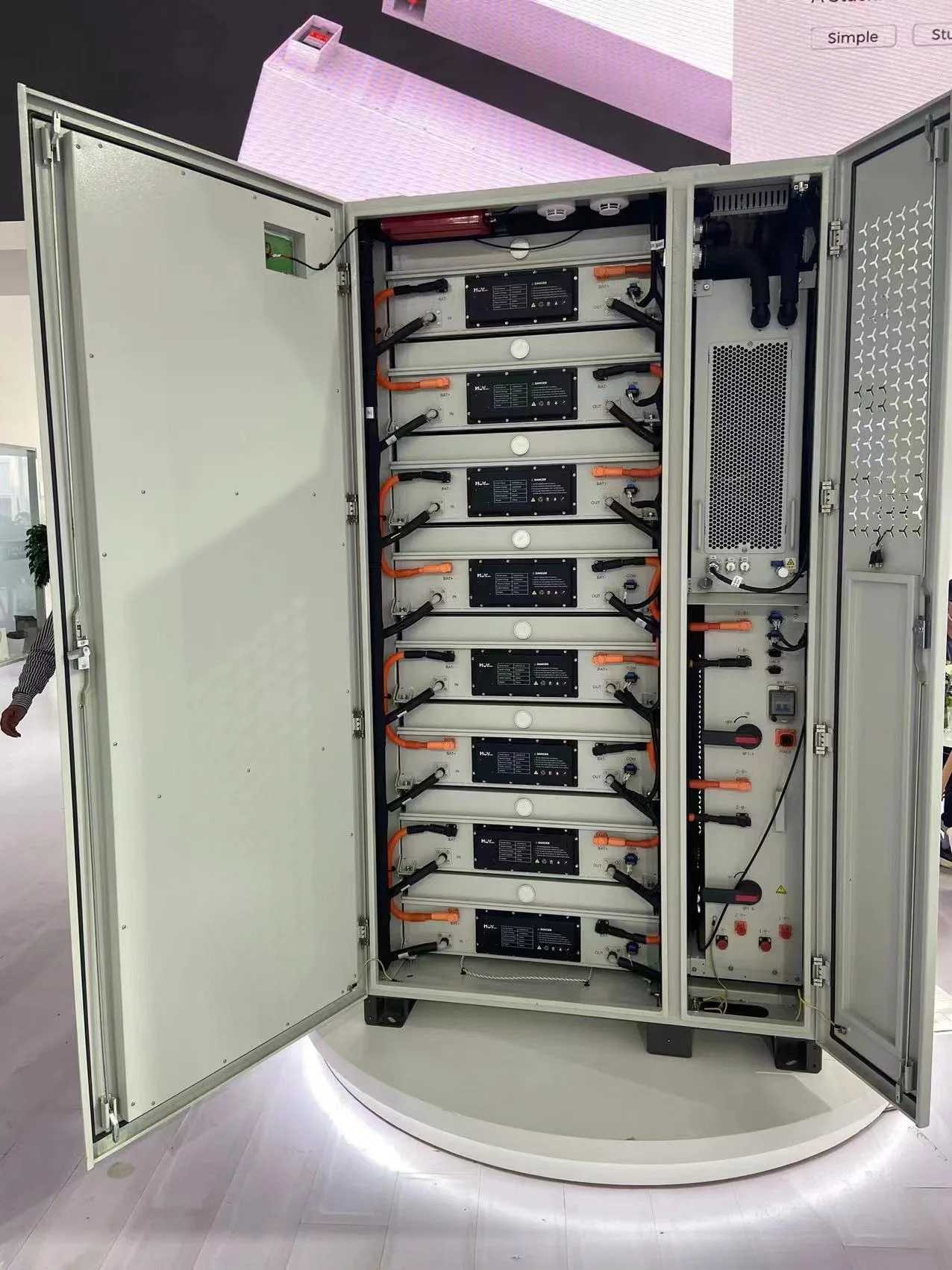
As energy storage becomes a fundamental part of contemporary power systems, the focus is moving away from battery chemistry and toward system level. The benefits of outdoor battery cabinet solutions are no longer limited to specialized applications. They have emerged as key distributed energy, telecom infrastructure, renewables, and grid edge resilience.
Instead of modifying existing indoor spaces or building dedicated battery rooms, a number of operators are selecting outdoor battery cabinets as a cleaner, more flexible solution. The reasons are practical, operational and now increasingly strategic.
Rapid Implementation with Minimum Site Disruption
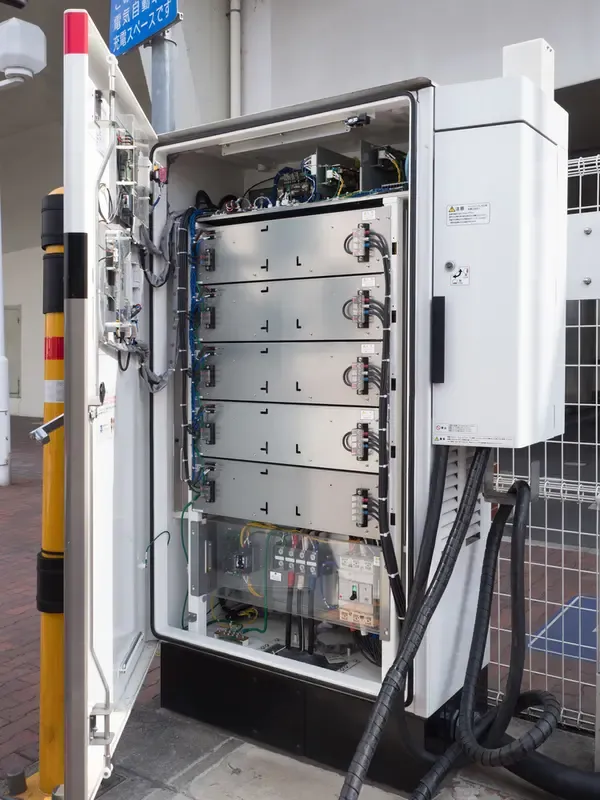
Among the most compelling advantages of an outdoor battery cabinet is the speed at which it can be deployed. As these units are engineered as self-contained units, they eliminate the need for structural strengthening, fire retrofits or major indoor remodeling.
Usually the outdoor cabinets are mounted on a concrete pad or to the rear of an existing infrastructure. This helps to get projects moving from planning to commissioning without as many dependencies on construction timelines or internal reviews. In actual application, you will find that it can make you save weeks not days.
This cadence of deployment speed grows even quicker for entities with multiple locations.
Saving Space Indoors
Indoor space is usually the most limited and most valuable resource at a site. Storing the energy indoors in a battery can displace operating equipment, reduce workspace or impede growth.
The tradeoff is eliminated with outdoor battery cabinets. By bringing storage systems outdoors, facilities free up indoor space for more essential functions. This decision is a big one for data centers, hospitals, manufacturing plants and telecom hubs, where every square inch has an operational value.
This practical advantage is one of the quieter but more decisive reasons why many planners now ask why choose outdoor battery cabinet design at an early stage in the project before even considering indoor solutions because the benefits are just too great.
Purpose-Built Environmental Protection
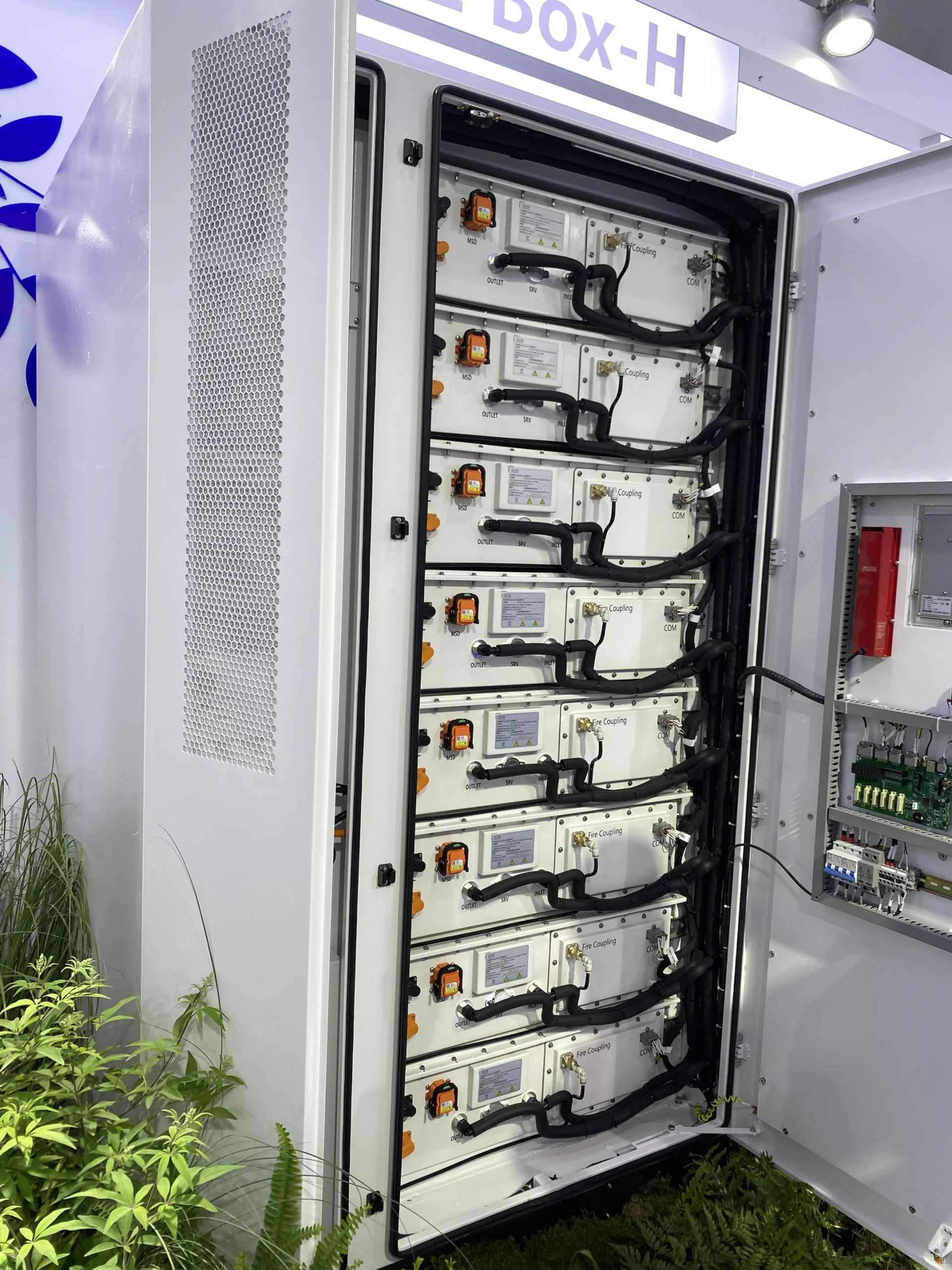
Outdoor does not mean exposed. Contemporary outdoor battery enclosures are not based on indoor assumptions.
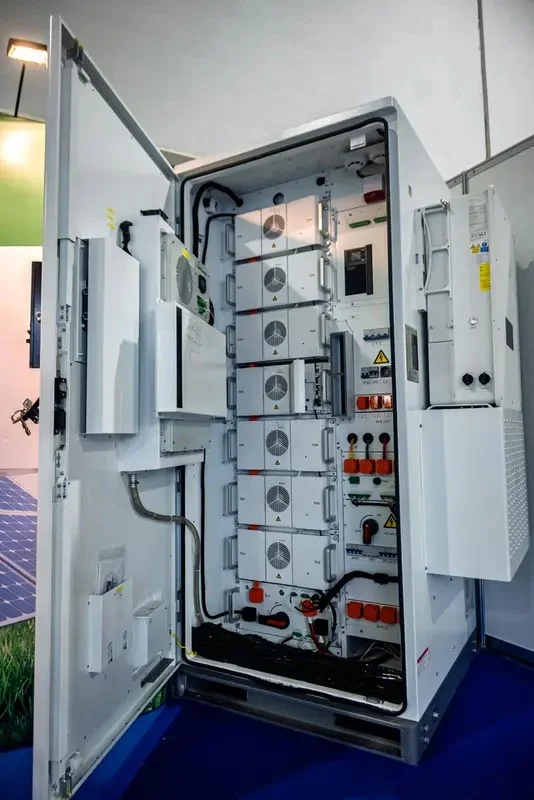
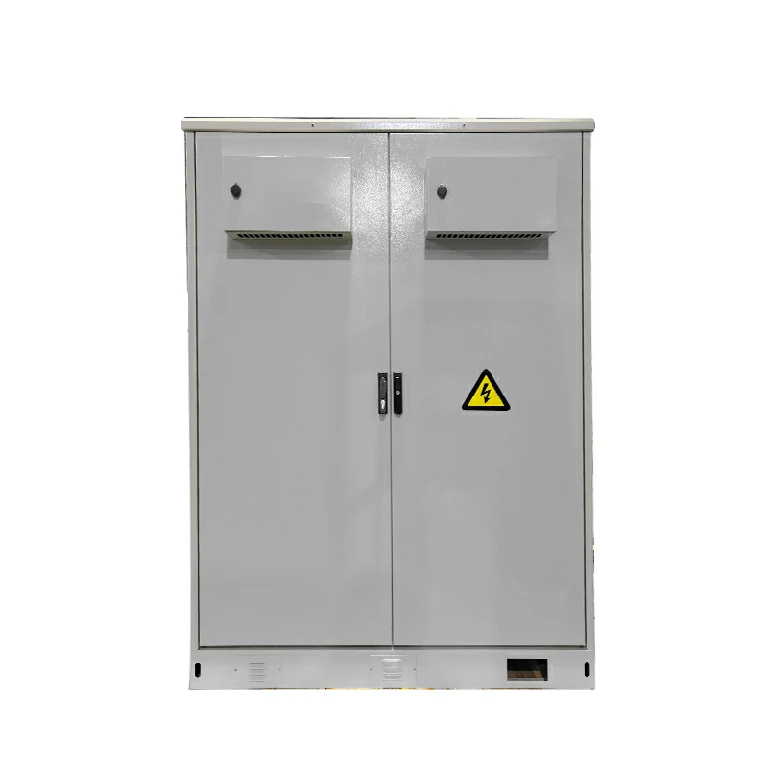
Cabinets are usually weather-proofed, made out of corrosion-resistant materials, and have controlled ventilation routes and thermal management. These are enclosure attributes that aid in preserving constant operating conditions during complete day and night temperature fluctuations, dust particles, moisture, and rain or snowfall.
Because of these isolated system qualities and there is no influence from the outside world, outdoor energy storage cabinet benefits tend to be a little more predictable than indoor solutions, which can be heavily dependent upon the stability of the building HVAC system.
Modular Scalability for Distributed Energy Systems
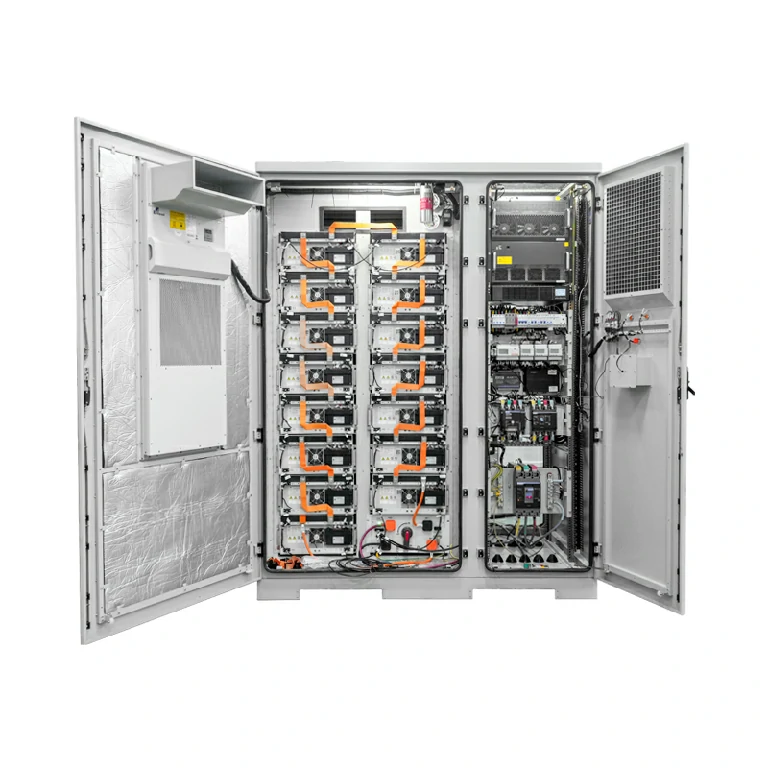
Scalability is no longer optional in energy storage. Load profiles shift, renewable capacity grows, resilience needs change. Battery cabinets Outdoor are modular by nature, so that allow a ‘staged’ increase in capacity to be accommodated.
The study titled Distributed Generation, Battery Storage, and Combined Heat and Power, published by the U.S. Energy Information Administration, shows that distributed battery storage improves operational flexibility and system efficiency by allowing capacity to be deployed closer to loads and generation sources through modular installations.
Outdoor cabinets come as natural extensions to this range. Additional modules can be grown into without the need to dismantle any internal space or services, or to change the building layouts, providing for a flexible approach to long term capacity planning.
Better Security with Physical Distance
Safety concerns drive energy storage design decisions. Outdoor battery cabinets provide a physical separation of the battery systems from the building occupants, which reduces risk.
Thermal events, off-gassing and maintenance are all conducted at a remove from personnel and sensitive indoor equipment. This physical isolation can simplify the issues of fire zoning, ventilation design, and emergency response coordination.
In a lot of jurisdictions, outdoor systems tend to have fewer limitations when scaled up to larger capacities, and storage projects are only going to be getting bigger and bigger.
Seamless Integration with Renewable Energy Resources
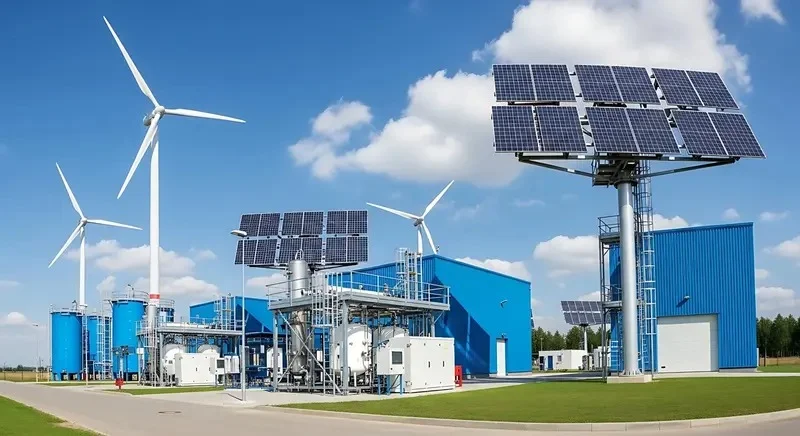
The majority of renewable energy generation assets are above ground, in the elements. Co-locating battery storage with them also simplifies system design.
The National Renewable Energy Laboratory’s publication Best Practices for Renewable Energy Installations in the Built Environment shows that well-integrated battery storage enhances renewable energy utilization, improves system resilience, and supports more stable operation across varying generation conditions.
All this is possible with outdoor battery cabinets, which allow for a shorter cable runs, fewer building penetrations and the storage to be located near the solar arrays, wind systems or microgrids.
Reduced Long-Term Operational Complexity
Although outdoor systems can seem more complicated at first, it turns out that they actually simplify things. Cabinets are uniform, predictable, and scaleable from site to site.
Protocols for maintenance become standardized. Monitoring centralized. Expansion will not cause indoor reconfiguration or downtime. For large volume deployments, for instance in telecom and utility organizations, predictable servicing and consistent asset management are touted as benefits of outdoor telecom battery cabinets.
The result is a calmer operation and, ultimately, a lower total cost of ownership during the service life of the system.
Conslusion
The advantage of outdoor battery enclosures are much more than just convenience. They are representation of how actual modern energy systems are built, scaled, and serviced in the field.
With both better space utilization and safer operation, as well as the integration of solar and other renewable energy, the advantages are numerous. Outdoor cabinets provide a solid and practical foundation for evolving energy storage solutions from today to the future. To those organizations thinking about storage today, an outdoor-first mindset can be the most robust and future-proof approach.
Whether it’s for greater flexibility, scalability, and clarity for longer-term operations, an outdoor battery cabinet isn’t simply an option. Either way, it’s often the most sensible place to start.