
Network Cabinet vs Server Cabinet: What Is the Difference?
When it comes to IT room or data center design and build, network cabinet and server cabinet are two words have that are often confused and misused. In reality, they are very close but not the same. While they are both intended to accommodate rack-mount hardware, their design, depth, airflow configuration and target workload is different in several aspects that impact uniformity, scalability and long-term maintenance.
Knowing these distinctions will help avoid common errors, like putting heavy servers into cabinets that can’t support their weight They are closely related, but not exactly the 2 same thing.. and heat load.
Where Network Cabinets and Server Cabinets Are Alike
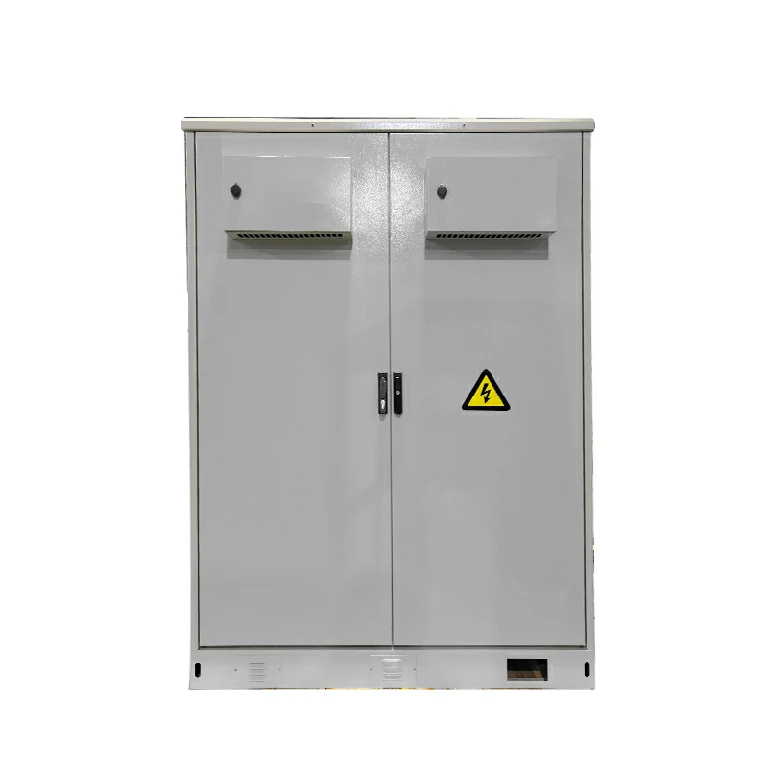
In essence, the two cabinet types are designed to organize, protect and secure IT equipment. They share a standardized form factor and are often found in server rooms, telecommunications closets, and data centers.
The Wikimedia Foundation’s publication Open Rack explains that rack and cabinet systems are built around standardized dimensions so different categories of IT equipment can be mounted, powered, and cooled within a common structural framework. This shared standard is the reason network cabinets and server cabinets can look similar at first glance.
Both usually feature lockable doors, vertical rails, grounding points, and facilities for cable management. From the outside, especially in smaller setups, the separation can be easily overlooked.
How a Network Cabinet Is Designed and Used
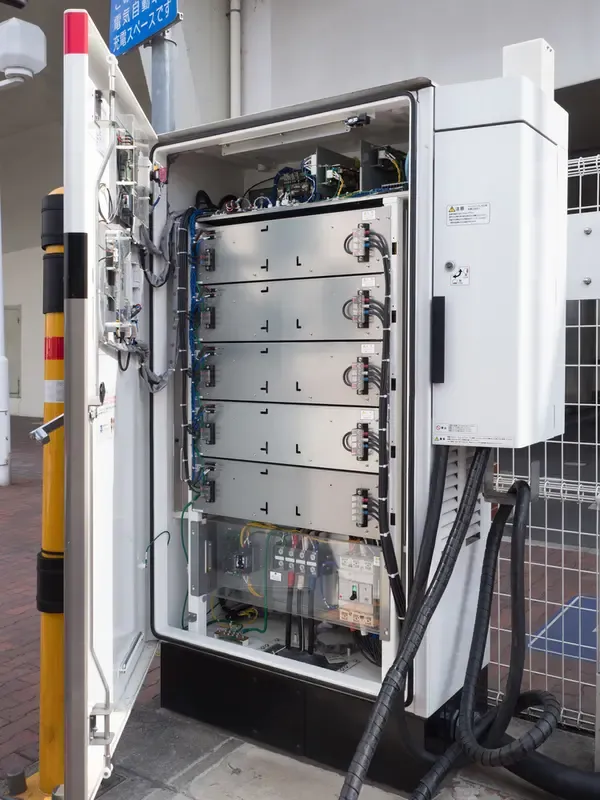
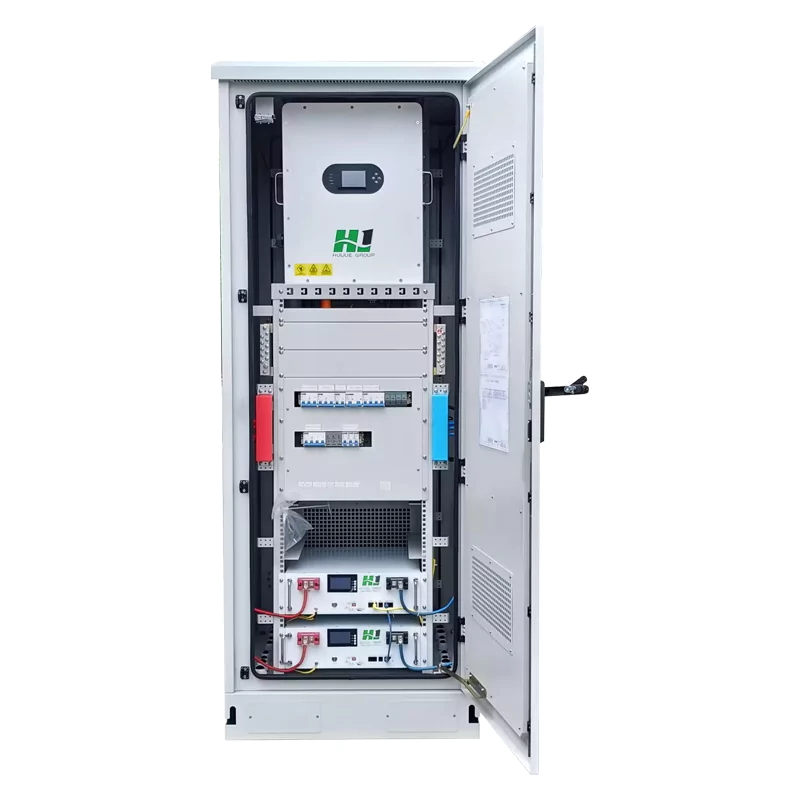
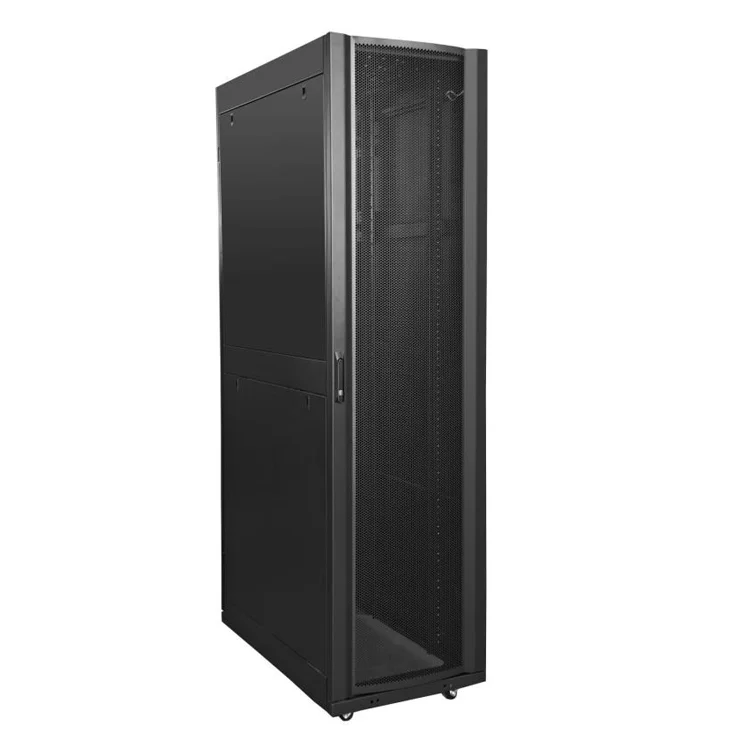
The purpose of a network cabinet is to house network (and sometimes server) equipment. That typically consists of switches, patch panels, routers, firewalls and small access devices.
Normal attributes of a network cabinet
Network cabinets tend to be shallower. 600 mm or less is a common depth since the majority of networking hardware don’t need long chassis space. Moderate load capacity to holding the lighter nature of switches and patch panels. Airflow design is typically limited to passive ventilation or mild fan kits on the front and rear.
Cable management is a priority in the middle. Network cabinet sides are excellent for the use of copper or fiber cable rings, entrances or egress points (top or bottom), and to help organize the high density copper or fiber cabling.
How a Server Cabinet Is Designed and Used
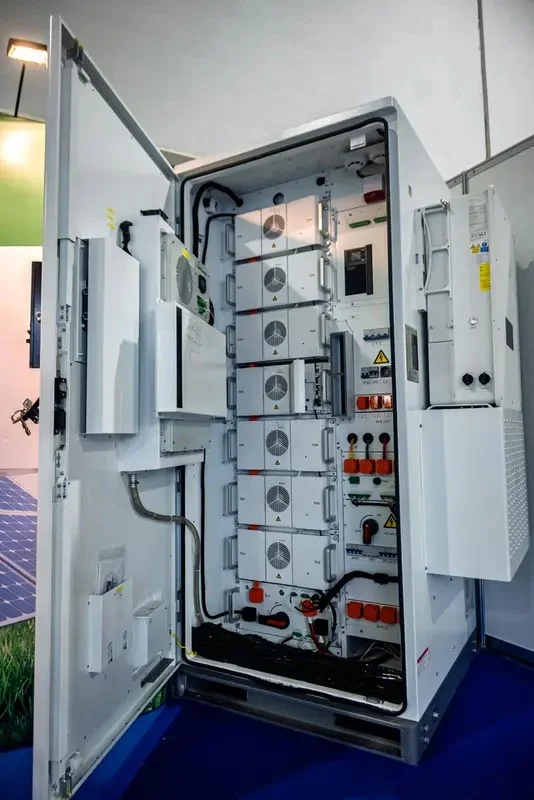
A server cabinet is designed to hold and cool servers and storage systems that have more stringent physical and thermal requirements.
Typical features of a server cabinet
Full-depth server cabinets Server cabinets are deeper – usually 800-1200 mm to accommodate full depth servers and provide the required airflow clearance. They are manufactured to have much higher load withstands as loaded servers can easily run into hundreds of kgs.
Cooling is what sets them apart. Perforated doors, defined airflow routes, and hot-aisle/cold-aisle compatibility are now de rigueur. The power distribution and grounding are also more substantial to accommodate the larger electrical load of the server hardware.
The Infrastructure Standard for Telecommunications Spaces, published by the U.S. Department of Veterans Affairs, demonstrates that server cabinets are treated as infrastructure elements requiring stricter specifications for space, load, and environmental control than cabinets used primarily for networking equipment, emphasizing their role in mission-critical IT environments.
Network Cabinet vs Server Cabinet: A Practical Comparison
| Aspect | Network Cabinet | Server Cabinet |
| Primary equipment | Switches, patch panels, routers | Servers, storage, UPS |
| Typical depth | Shallow (around 600 mm) | Deep (800–1200 mm) |
| Load capacity | Moderate | High |
| Cooling needs | Low to moderate | High, controlled airflow |
| Cable management | Emphasized | Balanced with airflow |
This comparison highlights that the difference is not cosmetic. Each cabinet is optimized for a specific operational role.
What a Good Network or Server Cabinet Should Offer
No matter the type, a good cabinet has a handful of defining features.
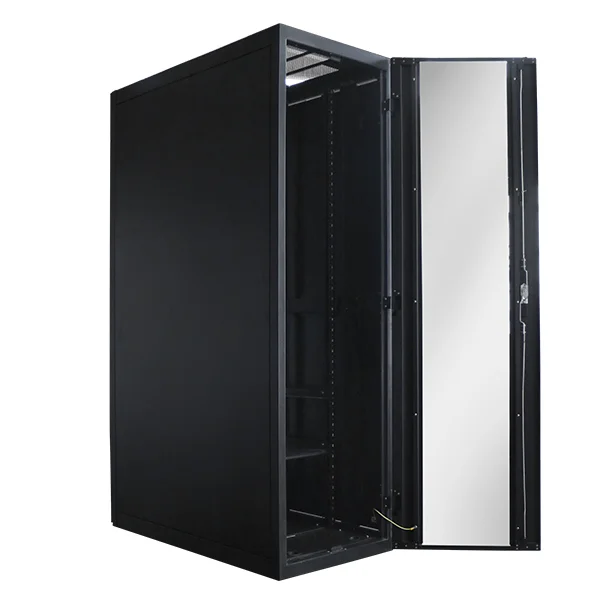
First, size really matters. Even a rack mount cabinet should be able to comfortably bear more than the load it is expecting to take so that you can add more equipment in the future. Second, airflow is never an afterthought. Inadequate ventilation will reduce the life of the equipment, even low power ones. Third, cable management should be planned, not ad hoc. Proper routing also makes it easier to troubleshoot and reduces accidental disconnection.
Security and ease of use are also important considerations. Locking features, removable side panels, and clear labeling enable both secure and functional service.
Choosing the Right Cabinet for Your Setup
The real question is not “which cabinet is better,” but which cabinet is best for your equipment and growth plans. If you’re only going to put switches and patch panels in your rack a network cabinet is usually plenty and more space-efficient. When servers get involved, a server cabinet isn’t optional; it is a necessity for weight support, cooling, and long-term reliability.
Before buying, make a list of what you have now and what you might add in the next few years, then pick a cabinet that fits that bill. Getting it right at this point saves you from expensive replacements and headaches down the road.