
Base Station Cabinet for Telecom: Reliable Outdoor Solutions for Modern Networks
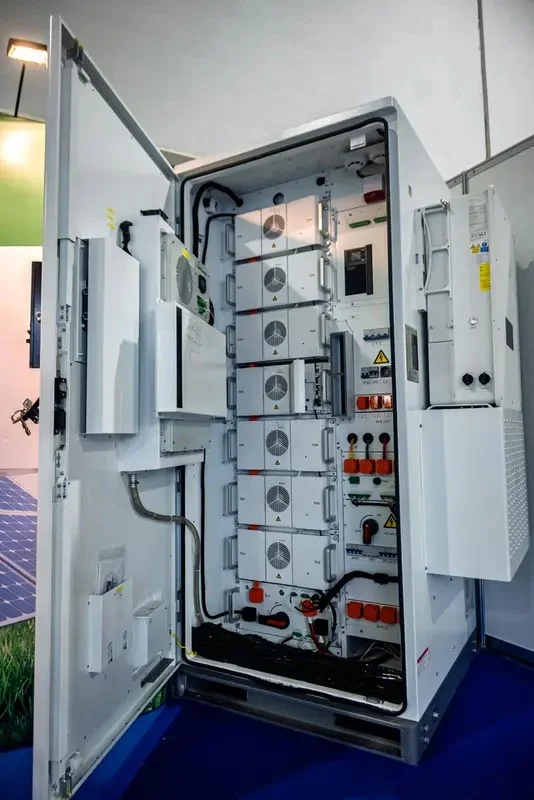
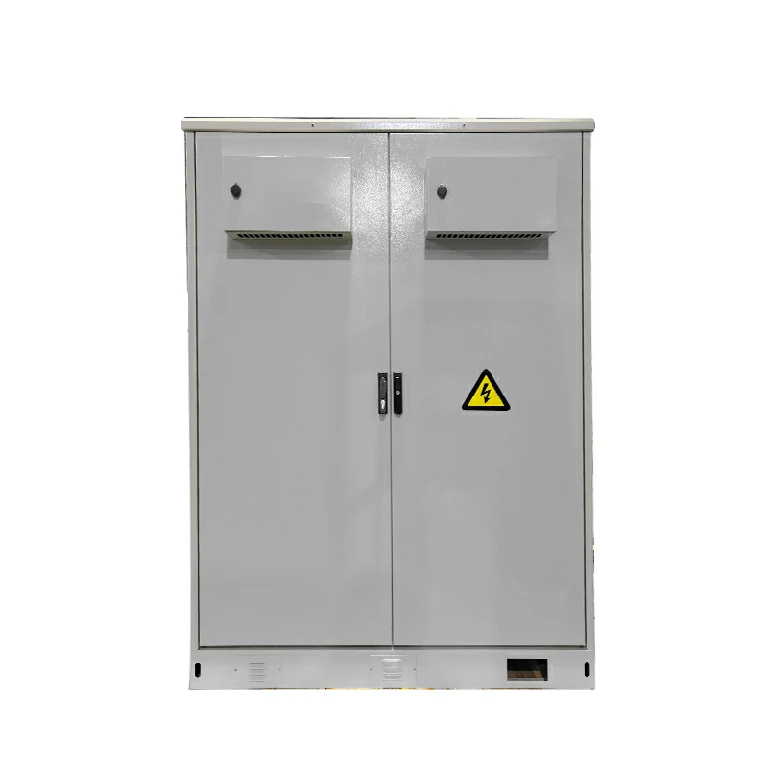
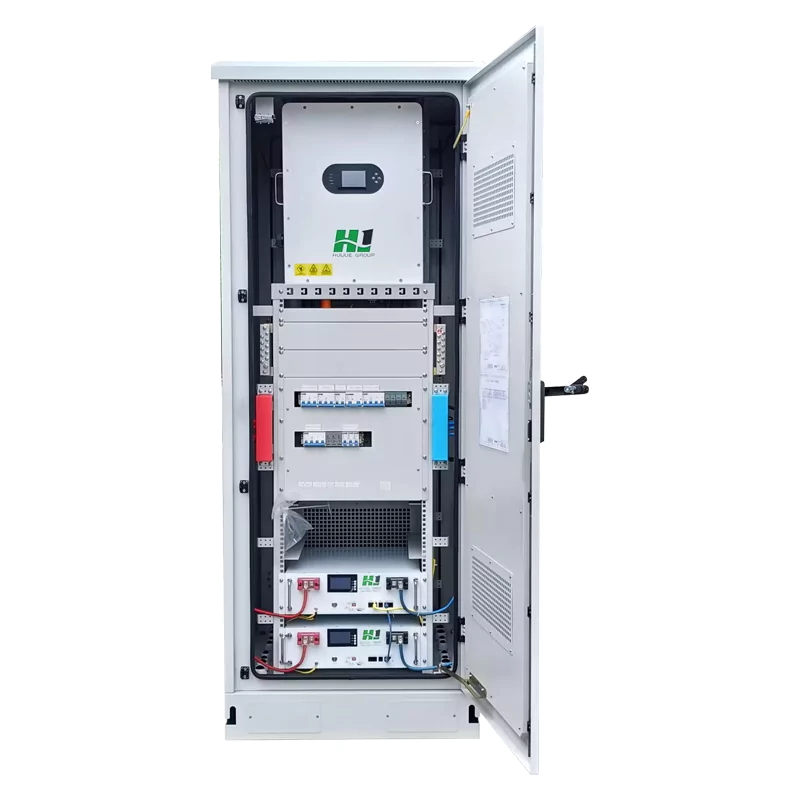
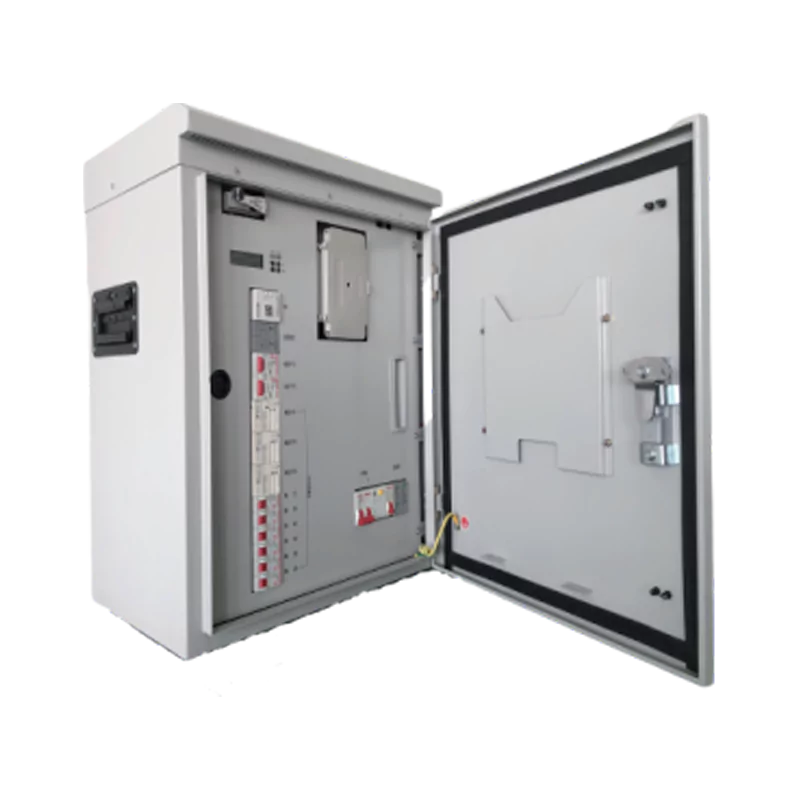
A base station cabinet for telecom has long stopped being a passive enclosure housing various pieces of equipment. Within modern network deployments driven by 5G and edge infrastructure expansion, the cabinet has become an active player in network reliability. It protects critical hardware, stabilizes power and thermal conditions, and enables telecom systems to operate consistently outdoors, where conditions are often unpredictable.
In many real deployment scenarios, these service disruptions are not rooted in radios or software but rather in environmental exposure, unstable power, or heat building up inside the cabinet. This is a reality that has gradually shifted industry attention towards outdoor cabinet design as a fundamental basis for network performance.
Why outdoor base station cabinets matter more today
Infrastructure in the telecom industry has been set up outside conventional indoor facilities in the form of roadside installation, roof-top locations, small wireless networks, etc. In such scenarios, the telecom base station cabinet represents the first line of defense for protection in the system.
Outdoor exposure causes continuous levels of stress. Rain, dust, temperature fluctuations, and long-term exposure to sunlight all take a continuous toll. Second, in a semi-public or public place, the cabinets can have vibrations, accidental damage, and can even be vandalized. A failing cabinet causes a domino effect on the entire network.
Scale exacerbates these risks. Thus, as the networks get dense, even minor weaknesses in enclosure can lead to significant operational costs.
Core requirements of a telecom base station cabinet
Environmental protection and enclosure durability
A telecom equipment enclosure has to last its whole life in an in service environment – not just its initial installation period. Therefore, the structural integrity of the doors and the enclosure itself, as well as corrosion resistance, have to be taken into account. Additionally, the doors along with the hinges and locks have to last the whole life of the enclosure
The reality is that long-term failure is as much related to minor mechanical relationships as to major specification relationships – and predictable behavior of enclosures over long periods of use may be much stronger evidence of quality than any specification figure.
Thermal performance in outdoor conditions
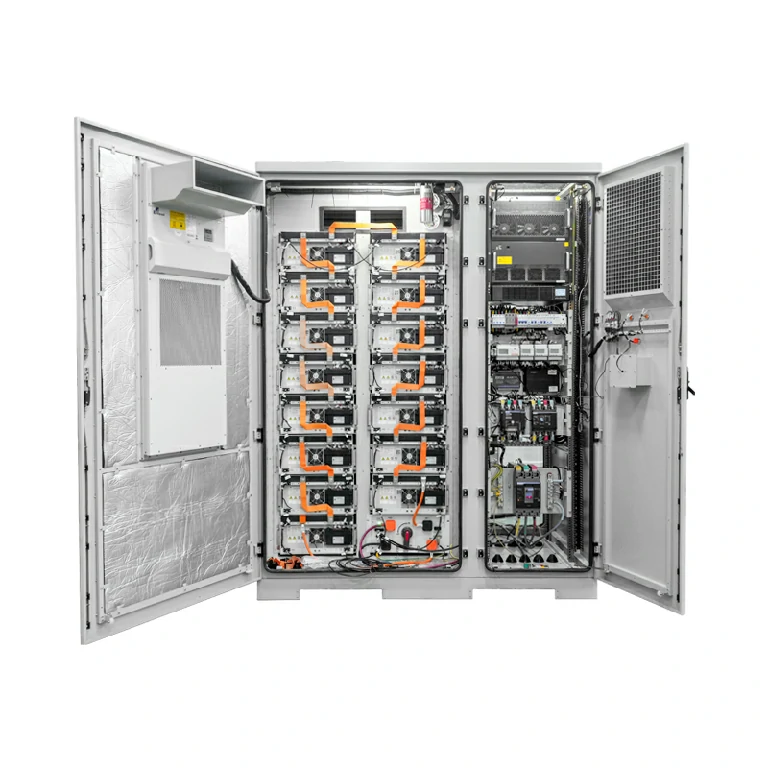
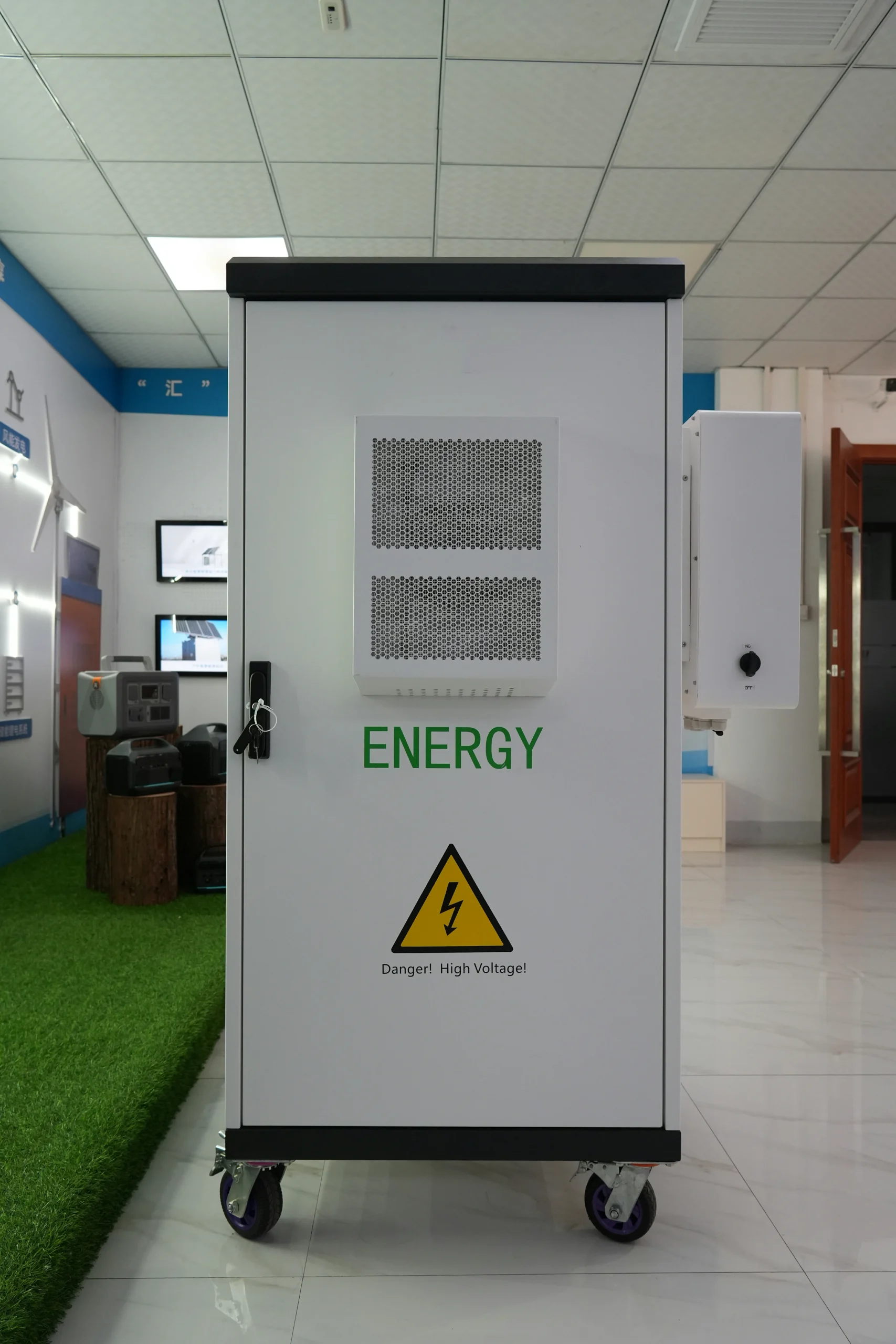
Thermal management is one of the abiding challenges facing outdoor telecom cabinets. For one thing, active equipment is continuously producing heat. Moreover, the advent of the 5G infrastructure brings power densities and greater temperature sensitivity.
These strategies vary depending on the deployment context, though the design of the cabinets is always the core of the matter. The internal design of the components, airflow directions, and even surface finishes can have the same effect on thermal dissipation as any other cooling tool. Incorrect thermal balance may not trigger shutdowns, but it accelerates the aging of components.
Power and energy integration
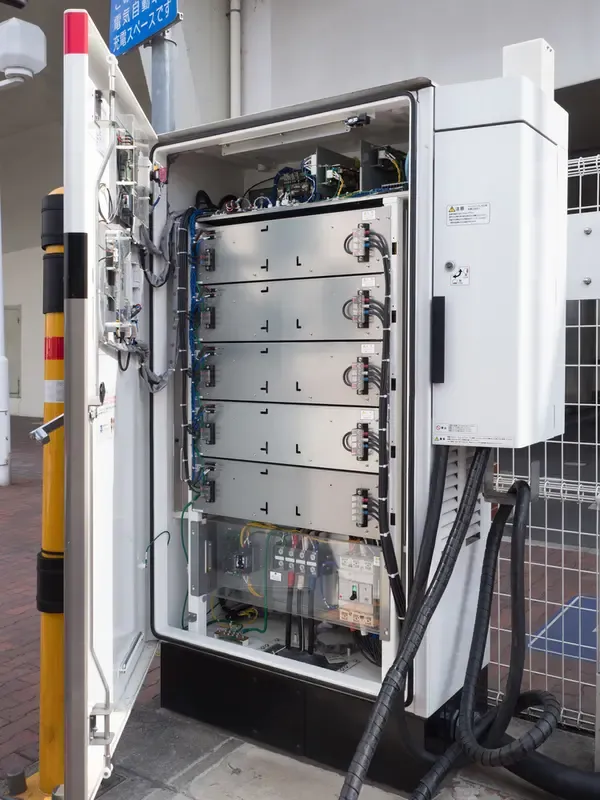
Modern base station energy cabinets often feature power distribution units, batteries, and backup systems to complement communication equipment. This integration reduces the footprint on the site and enhances internal complexity.
Effective isolation of heat sources, clean cable routing, and safe access for maintenance: All these are crucial. Indeed, in remote or edge deployments, energy reliability becomes inseparable from enclosure design, which then makes the selection of a cabinet no less than a strategic decision by itself.
Outdoor cabinets as part of the outside plant system
In its routine functioning, the telecom cabinet outdoors serves in a larger context of the whole infrastructure system in which the foundation of the cabinet provides support through terminating cabling or grounding arrangements, effectively considering the terrain in its context. Treating the telecom cabinet in isolation leads to design mismatches and avoidable failure situations in practice.
The International Telecommunication Union’s publication Outside Plants explains that outdoor telecommunications infrastructure should be planned as an integrated system, where equipment protection, site conditions, and environmental risks are addressed together rather than independently. This approach is particularly relevant for base station cabinets deployed in areas exposed to flooding, strong winds, or other environmental stresses.
This kind of systems thinking helps explain why different cabinets, with the same enclosure type and construction, often have quite different performance in use, with site planning and environmental adaptation just as critical as enclosure specification.
How 5G reshapes cabinet expectations
Higher equipment density
With 5G, a denser functionality has been accommodated in a very compact space, and although each part may occupy a lower volume, overall power consumption may rise in line with increased heat dissipation. On one end, older networking cabinet infrastructures may have difficulty coping with 5G performance levels.
Thus, a flexible internal layout and accommodations for potential future upgrades have become an essential criterion. No more do cabinets function merely to store; instead, they evolve to meet a new paradigm based on a shifting need.
Proximity to end users
The human interface of 5G infrastructure moves closer. It is placed under cabinets located in the street, around the buildings, and in highly visible positions. This introduces constraints concerning size and noise.
Telecom equipment cases need to be particularly quiet-running with relatively small dimensions and have an unobtrusive aesthetic to provide for smooth implementation in crowded cities.
Reliability across the full lifecycle
The most common mistake made when it comes to the selection of cabinets revolve around the initial conditions or specifications of the cabinets. In order to determine the reliability of cabinets, one needs to consider the exposure or stress conditions for the most prominent number
Even small design decisions—such as hinge life or grounding points—can make or break a cabinet in long-term maintainability or dependability. Even experienced users seem to favor designs that emphasize convenience and usability above all.
For outdoor infrastructure, reliability in performance despite imperfect conditions may be worth far more than the extra functionality that complexity provides.
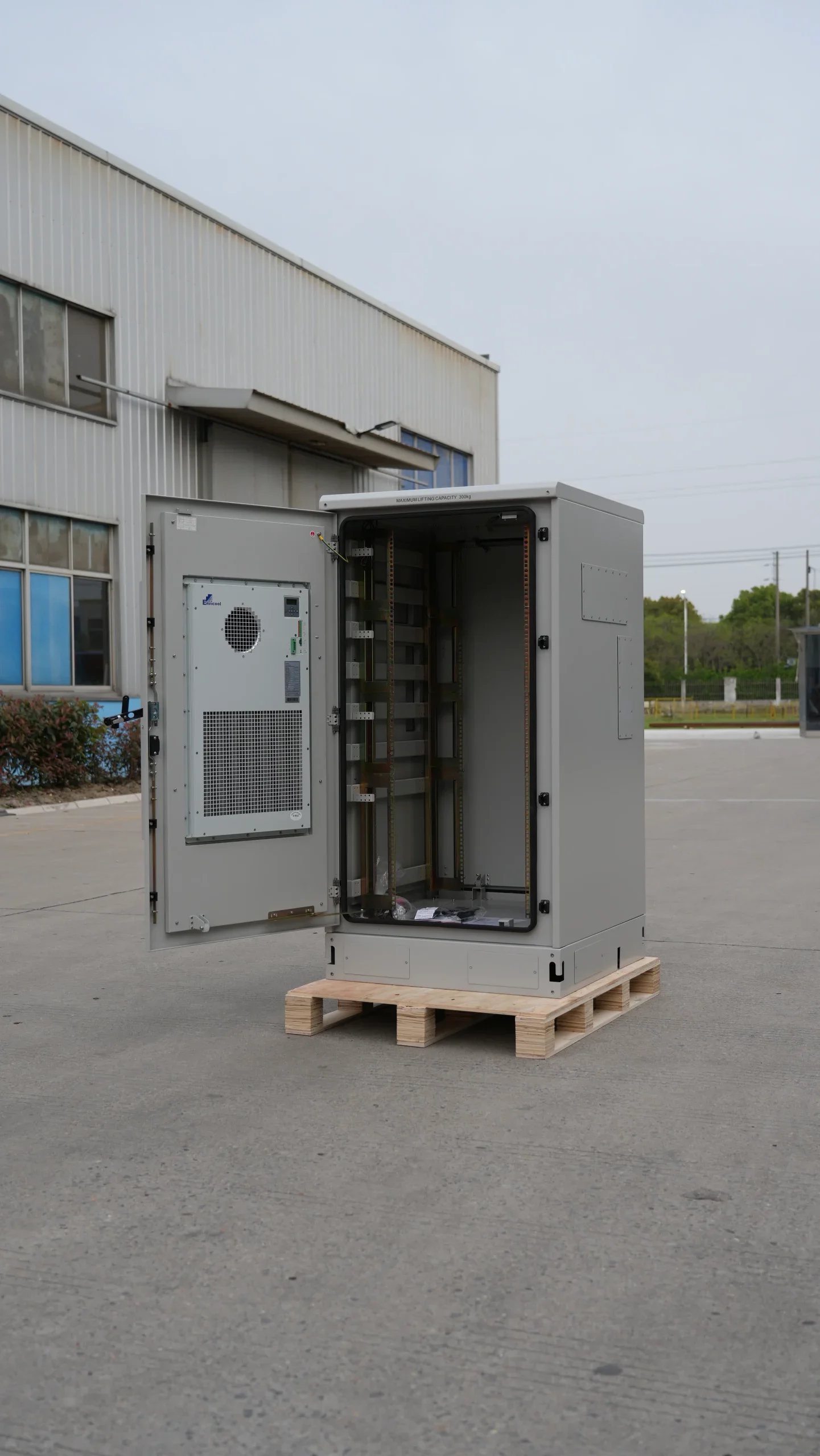
Selecting the right base station cabinet for modern networks
Ensuring the selection of the best base station cabinet for telecom applications is grounded in the realities of deployment rather than the feature set offered. Some factors to consider include the environment, accessibility, as well as the timeline of future upgrades. These requirements determine the meaning of the word “reliable”.
For example, a cabinet design employed for urban 5G technology may not be applicable for rural macro sites due to maintenance access issues, while integrated energy solutions may cause thermal issues under differing conditions.
Most successful applications are generally achieved with early involvement of network engineers, as well as the electric and enclosure engineers. If the cabinet can be considered as part of the entire network plan, the result can be substantial stability improvements.
Conclusion
These outdoor telecom cabinets are the unsung heroes behind the current era of connectedness. While the growth and expansion of the network continue to move outward and away, the importance of the base station cabinet continues to grow.
For operators and engineers, a useful exercise is to look at existing deployments and identify common problems with enclosures. Such patterns often turn out to matter most for whatever design choices operators have made. These days, long-term reliability in a network can begin in a most unexpected location: in the box that surrounds everything else.