
Why Outdoor Telecom Cabinet Is Critical for Modern Infrastructure
Today’s systems rely on unseen physical infrastructure. From packed city streets to isolated country roads, the Outdoor Telecom Cabinet silently protects the equipment essential to network operation. Mobile networks, broadband access, smart city systems, emergency communications—the reliability of all of these would be greatly undermined without these enclosures.
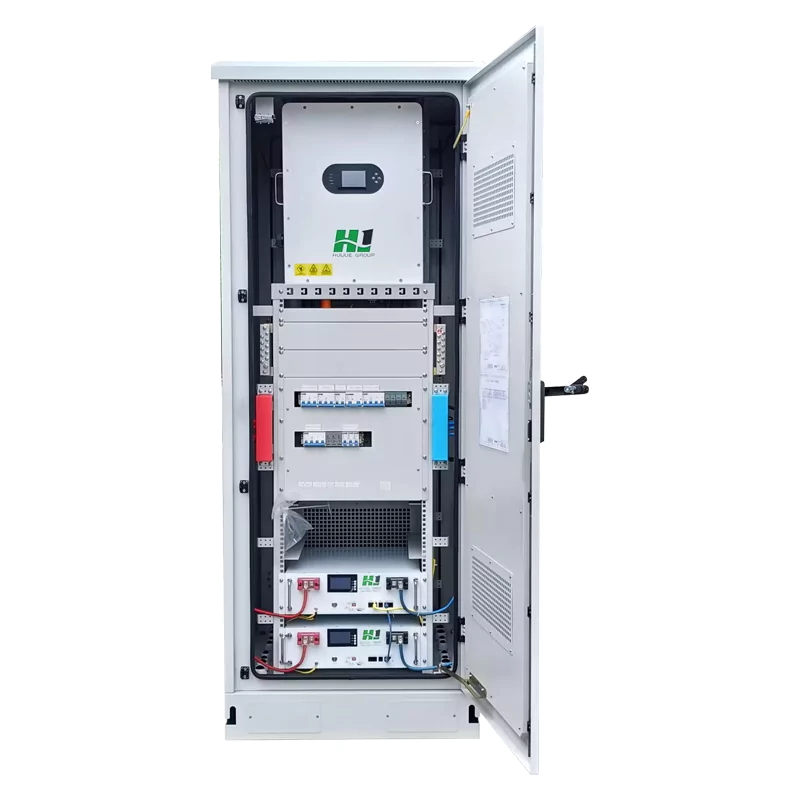
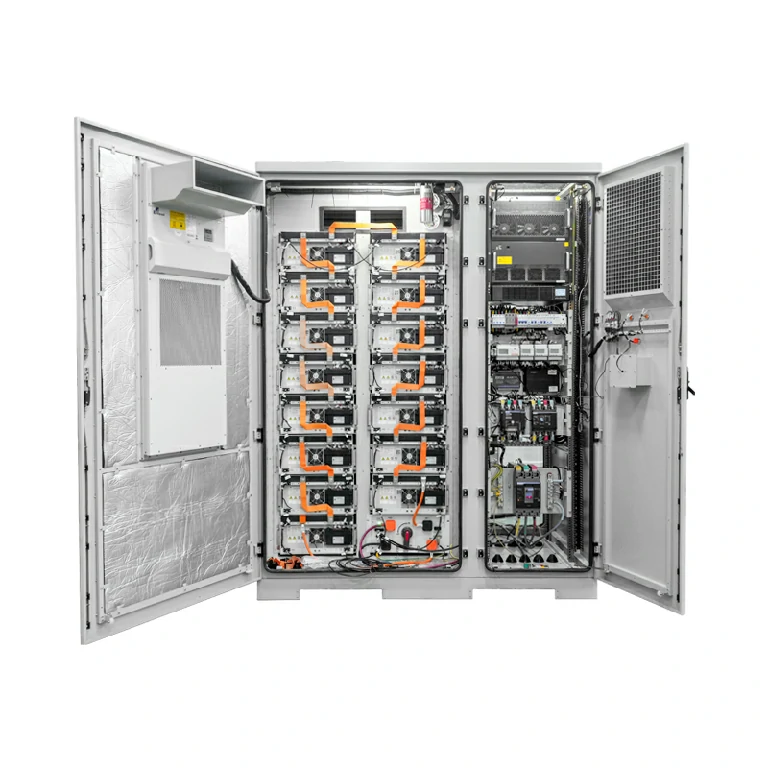
At the first level of network deployment, telecom cabinets provide protection for power distribution units, fiber termination panels, routers, batteries, and environmental controls. They don’t have a glamorous job, but it is a fundamental one. The need for robust outdoor enclosures has only intensified as networks scale to support 5G, IoT, and edge computing.
What an Outdoor Telecom Cabinet Does in a Modern Network
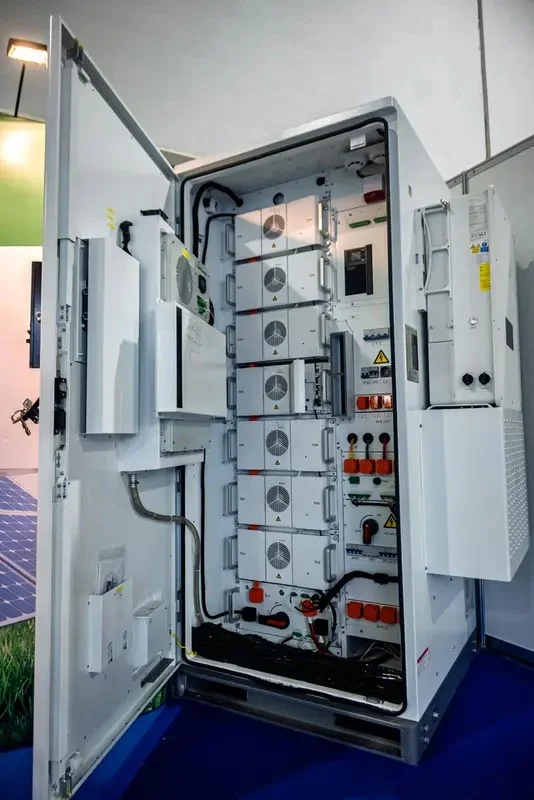
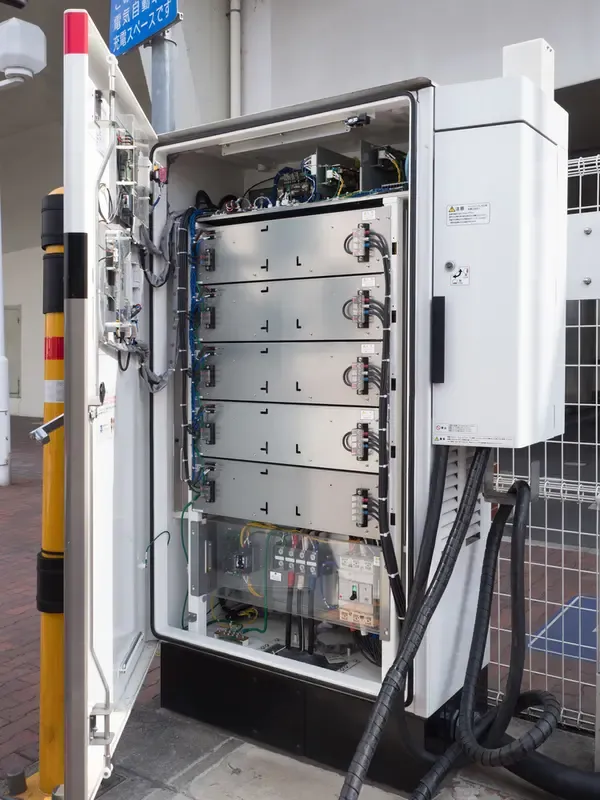
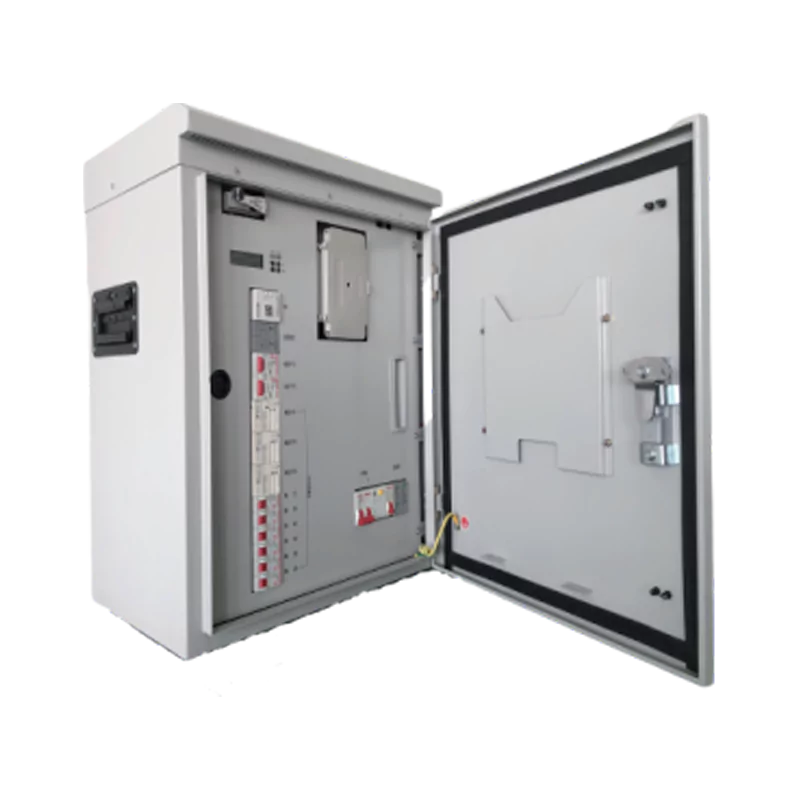
An outdoor telecom cabinet is more than a metal box. It is a tightly controlled micro-environment designed to shield sensitive electronic equipment from the effects of weather, vandalism, temperature extremes and electrical disturbances.
Environmental control and protection
Telecommunications hardware is designed to function in predictable temperature and humidity ranges. Overheating, moisture, or dust may lead to failures or reduced component life span. A stable environment is maintained by means of ventilation, heat exchangers, insulation, and in some cases active cooling system within the outdoor cabinets.
Passive flow and reflective coatings are used to reduce heat gain in warm climates. In cold climates internal heaters are used to prevent freezing and condensation. These processes of environmental control make it possible for network operators to place gear almost anywhere in the world.
Physical security and tamper resistance
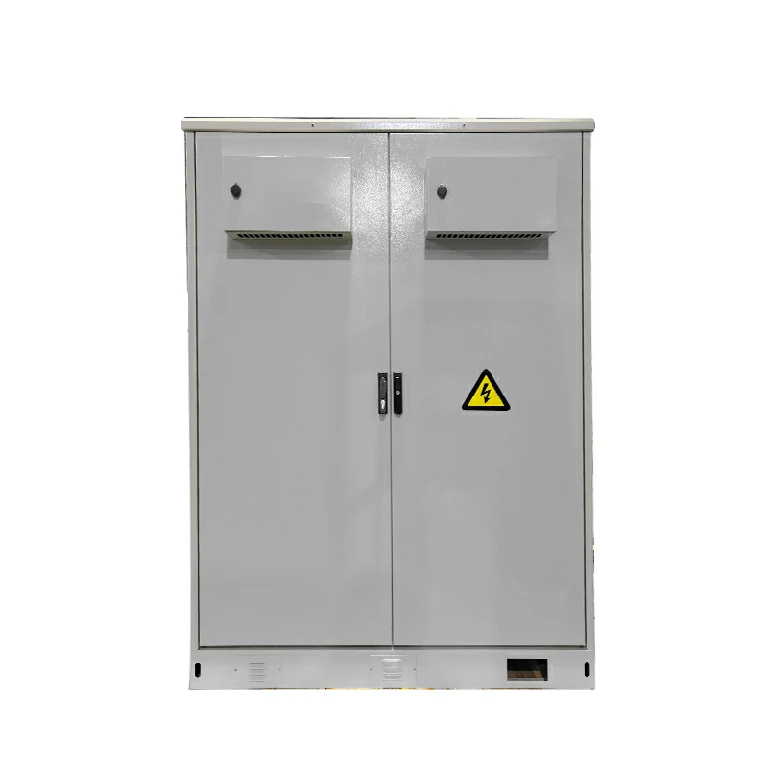
Outdoor installations make vital equipment vulnerable to theft, vandalism and inadvertent harm. Cabinets are constructed from heavy gauge steel or aluminum, have multi-point locking systems and are designed to prevent unauthorized access.
It’s not just about assets protected. It ensures the integrity of the network as well. Illicit access could be used to disrupt service, harvest data, or implant malicious hardware.

Why Outdoor Telecom Cabinets Matter for Network Reliability
The Reliability is the foundational measure for today’s communications. The impact of downtime is felt by emergency services, financial transactions, transportation systems and day-to-day communication.
Protection of equipment from environmental failures
Rain, snow, dust, storms, and salt air can rust connectors and compromise performance. Telecom cabinets for outdoor use provide a shield between extreme weather conditions and delicate electronics, minimizing the rates of failure and cost of maintenance.
The National Institute of Standards and Technology’s publication NIST SP 800-160 – Systems Security Engineering demonstrates that physical and environmental protections are fundamental to system resilience and operational continuity. This principle directly supports the use of protective enclosures in telecommunications infrastructure.
Supporting uninterrupted service
Many cabinets have built-in backup power such as batteries or generator connections. These systems maintain the continuity of the network during power outages and make sure that emergency calls and the provision of essential services are not disrupted.
That’s a requirement, not an option, for rural and disaster-prone areas. It’s a lifeline.
Enabling 5G, Edge Computing, and Smart Cities
The trend toward distributed computing has boosted demand for localized network nodes. Outdoor telecom cabinets play a key role in this transition.
Edge computing deployment
Edge computing can reduce latency by processing data closer to the user. They call for small, distributed nodes of equipment located near population centers. Outdoor cabinets deliver the safe, climate controlled environments needed to shelter these edge devices.
Integration of smart city infrastructure
Smart city solutions use sensors, cameras, traffic managers, connected public utilities. They need reliable, street-level network nodes.
Outdoor telecom cabinets serve as integration points for:
- Traffic signal control systems (See also Traffic light sequence)
- Public safety cameras are used to a lesser extent for general crime-detection.
- Sensors to monitor the environment
- Public Wi-Fi hot spots
- Intelligent transport systems
By housing equipment in the field in secure enclosures, cities reduce clutter, gain reliability and simplify maintenance.
Cost Efficiency and Lifecycle Benefits
Although outdoor telecom cabinets are a capital outlay, they have the potential to bring down operational costs significantly.
Reduced maintenance and equipment replacement
Weathering, also, speeds up equipment wreaking. By housing hardware in cabinets, the life span of a hardware device is typically longer as it is protected from the elements, which can lead to more repairs and replacements of a hardware module.
Eventually this leads to tangible cost savings and higher service availability.
Modular upgrades and scalability
Modern cabinets can be expanded in modules. With a few clicks operators can equip their existing enclosures with new elements — including 5G radios, fiber modules, and more — without having to swap out the entire enclosure. This kind of flexibility enables a series of incremental upgrades that meet shifting network requirements.
Scalability is crucial as the demand for bandwidth continues to increase, driven by video streaming, cloud services, and IoT devices.
Design Considerations That Influence Performance
Not all telecommunications cabinets are created equal. Their success is a function of engineering decisions specifically focused on deployment environments.
Material selection and corrosion resistance
Seacoast areas demand corrosion resistant materials and intumescent coatings. Chemical resistance might be needed in industrial zones. The choice of material has a direct impact on the maintenance and durability of the cabinet.
Thermal management strategy
Passive cooling may be sufficient in temperate climate, however in high temperature areas active cooling is often the only viable solution. Bad thermal design can cause boiling and early death of equipments.
Environmental standards compliance
The cabinets need to be environmental and ingress protect (IP) rated for reliability. Levels of protection such as IP (Protection against Ingress of) defines how dust and water has resistance, and this information can be applied to the decisions on where to deploy.
The Role of Outdoor Cabinets in Disaster Resilience
Natural disasters are straining communication networks more and more. Earthquakes, floods, wildfires and hurricanes can cause devastation to infrastructure on multiple layers.
Outdoor telco cabinets add to disaster resilience by:
- Shield vital nodes against debris and water intrusion
- Contain emergency backup power systems to keep running in the event of a power failure
- Facilitate fast recovery through modular replacement
- Support temporary network extensions during reconstitution
Communication during emergency situations is a vital for coordination of rescue efforts and to keep the public informed and safe.
Future Trends Shaping Outdoor Telecom Cabinet Design
As network demands evolve, cabinet design continues to adapt.
Integration with renewable energy
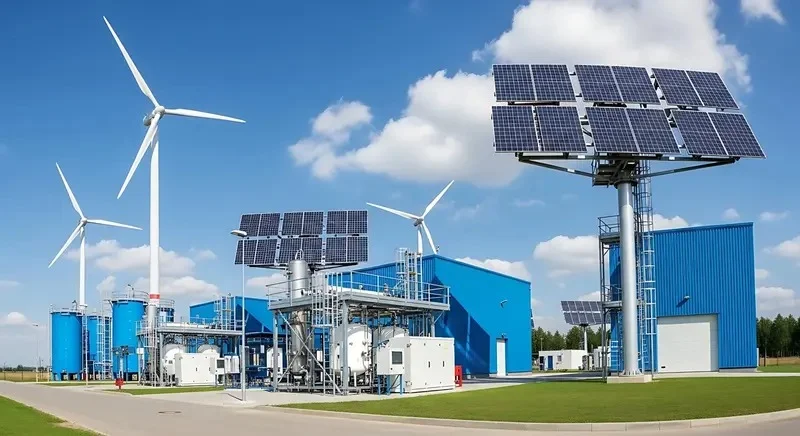
solar powered telecom cabinets are becoming more popular in rural areas. Integrated solar panels and energy storage systems allow off-grid operation, bringing connectivity to remote areas.
Improved monitoring and remote management
Modern cabinets often have temperature, humidity, door access, and power status sensors. Remote monitoring minimizes maintenance trips and allows for predictive maintenance.
Compact and aesthetic design for urban environments
A city needs its infrastructure to disappear into public spaces. New designs for cabinets increasingly focus on smaller footprints and aesthetic integration, minimizing visual distraction without compromising functionality.
Outdoor telecom cabinets seldom catch a passer-by’s eye, but they lay a vital foundation for contemporary infrastructure. They shield sensitive equipment, maintain network uptime, facilitate new technologies, and provide robust communication systems in day-to-day and emergency situations.
For network designers, cities, and infrastructure providers, the purchase of quality outdoor telecom cabinets is not just a technical consideration—they are the linchpin of a tactical decision. Considering environmental constraints, scalability, and survivability will help to guarantee that submissions will be dependable for the long term.