
How Much Can a Base Station Energy Storage System Reduce Peak Electricity Costs?
One of the largest operational costs for telecommunication infrastructure is electricity costs. As 4G and 5G networks grow in deployment, base station power consumption grows with them. Peak demand charges become a huge part of electricity costs.
This is where a base station energy storage system makes financial sense. By moving energy consumption away from peak to off-peak periods, operators can save on peak demand charges.
How much money does a base station battery cabinet save on peak electricity costs? It varies depending on several variables. However, there is reliable research on this subject.
Why Peak Electricity Costs Are a Major Problem for Base Stations
Unlike other types of infrastructure, telecom base stations are always online, operating 24 hours a day, 7 days a week. Power consumption varies throughout the day depending on several factors, including traffic, weather, and cooling needs.
Some common causes of peak power consumption include:
- Evening Traffic Peaks
- High Temperature Cooling Peaks
- 5G Peaks – Equipment Activation
- Edge Computing Peaks
Demand charges are usually based on the maximum 15-minute or 1-hour peak over a given period. A short peak can greatly increase the overall cost of electricity.
This is a predictable opportunity. If the peak can be reduced, overall costs will fall, including:
- Demand charges
- Time-of-use electricity costs
This is precisely what a base station energy storage system is meant to accomplish.
How a Base Station Energy Storage System Reduces Peak Costs
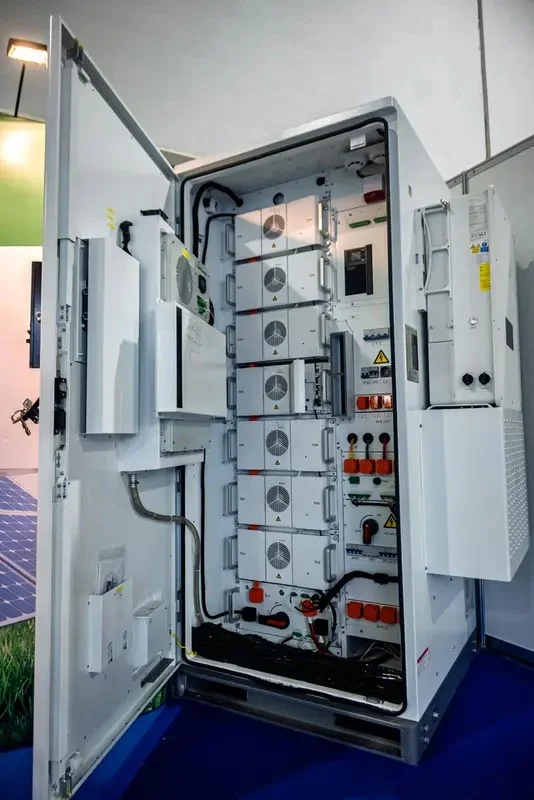
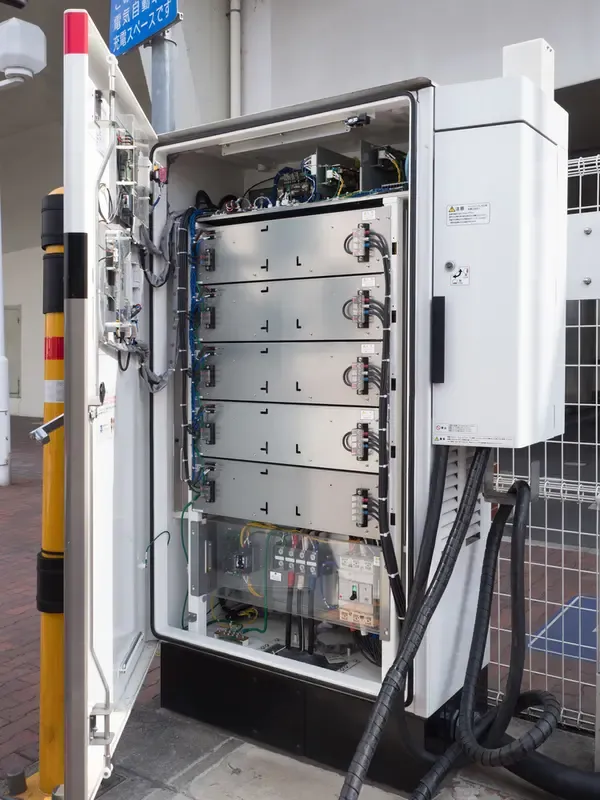
A base station battery cabinet generally follows a simple yet efficient approach:
Charge During Low Cost Periods
During off-peak hours, the battery charges from the grid when the cost of electricity is low. This generally includes:
- Overnight
- Midday solar surplus periods
- Low traffic periods
Base stations generally have a constant baseline demand, making these windows easy to predict and plan for.
Discharge During Peak Demand
When peak demand occurs, the battery discharges power to the base station.
This approach creates three benefits:
- Demand cost savings
- Time-of-use cost savings
- Power stability benefits
Even a small peak reduction can result in significant cost savings.
Measurable Peak Reduction from Energy Storage Systems
Academic research validates the cost savings from battery-based peak shaving.
The Technical University of Munich’s publication Peak Shaving with Battery Energy Storage Systems in Distribution Grids shows that battery energy storage systems can reduce peak load by a wide range depending on configuration, with measurable reductions across distribution networks. The study demonstrates that properly sized battery storage can significantly lower peak demand, which directly translates into reduced electricity costs.
This is particularly relevant for telecom base stations, since their loads are predictable and peak windows are constrained. As a result, base station battery cabinets can deliver higher efficiency for peak shaving applications compared to other more variable industrial loads.
Why Base Stations Are Ideal for Peak Shaving
Base stations are particularly well-suited for hosting energy storage systems for peak shaving. This is because base stations have several characteristics that are favorable for peak shaving:
Predictable Load Patterns
Telecom services have predictable daily usage patterns. This makes it easier for battery systems to deliver a good return on investment.
Small but Expensive Peaks
Base stations have relatively small overall power usage, but peak demand is expensive. Even small reductions can lead to significant cost savings.
Distributed Infrastructure
Base stations are numerous, so even small cost savings per base station can lead to significant overall cost savings. This is particularly relevant for peak shaving, since base stations can benefit from cumulative cost savings across a wide area.
5G Base Stations Increase the Need for Battery Peak Shaving
The rollout of 5G base stations is increasing power usage. The use of massive MIMO antennas, edge computing, and densification all increase base station power usage.
The study titled Hybrid Control Strategy for 5G Base Station Virtual Battery-Assisted Power Grid Peak Shaving, published by Changsha University of Science and Technology, finds that integrating battery-assisted peak shaving in 5G base stations can smooth power fluctuations and reduce peak grid demand. The research demonstrates that intelligent battery scheduling improves operational efficiency and reduces electricity costs.
This is particularly important for urban deployments where electricity tariffs are highest.
Typical Cost Reduction Range for Base Station Energy Storage
While results vary by region and tariff structure, most deployments fall within predictable ranges.
| Scenario | Typical Peak Reduction | Cost Reduction Potential |
| Small rural base station | 10–20% | Moderate |
| Urban macro base station | 15–30% | High |
| 5G high-traffic site | 20–40% | Very high |
| Multi-site deployment | Network-wide savings | Significant |
These values are heavily dependent upon:
- Battery capacity
- Load profile
- Utility tariff structure
- Control algorithm complexity
Still, even a conservative case can result in a highly attractive payback period.
Additional Financial Benefits Beyond Peak Reduction
This is not the only benefit of a peak shaving solution. The base station battery cabinet also offers:
Backup Power
The battery storage capability saves money by operating generators less frequently.
Renewable Integration
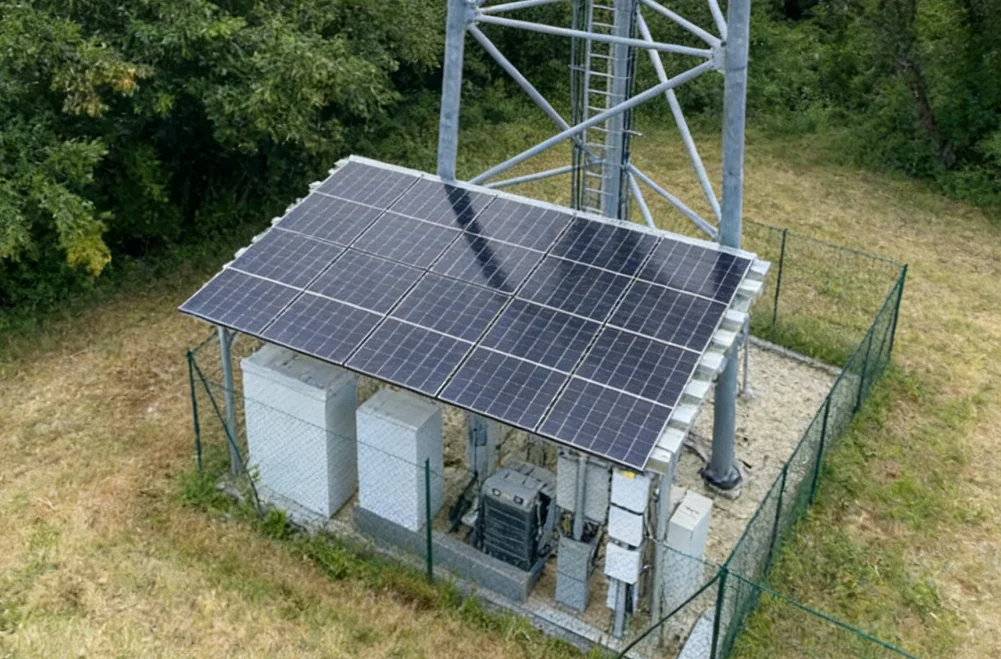
Solar-plus-battery systems reduce the load on the public grid.
Grid Stability
Voltage swings and outages are minimized.
Deferred Infrastructure Upgrades
Reduced peak demand may delay the need to upgrade a transformer or the public grid.
How to Estimate Savings for Your Base Station
In order to calculate potential savings, base station operators generally assess:
- Base station load profile
- Peak demand duration
- Electricity tariff structure
- Battery duration
- Control strategy
A rule of thumb:
- A 2 to 4 hour duration of batteries is where ROI is maximized
- Peak shaving for 1 to 3 peak periods per day results in maximum potential savings
As base station profiles tend to be deterministic, simulation is normally straightforward.

When a Base Station Battery Cabinet Delivers the Best ROI
The following situations result in maximum potential savings:
- Electricity tariffs include demand charges
- Peak-to-off-peak price difference is large
- 5G equipment increases load volatility
- Grid reliability is limited
Urban 5G deployments often meet all four conditions, making them ideal candidates.
Deployment Trends in Telecom Energy Storage
Increasingly, telecom operators are using:
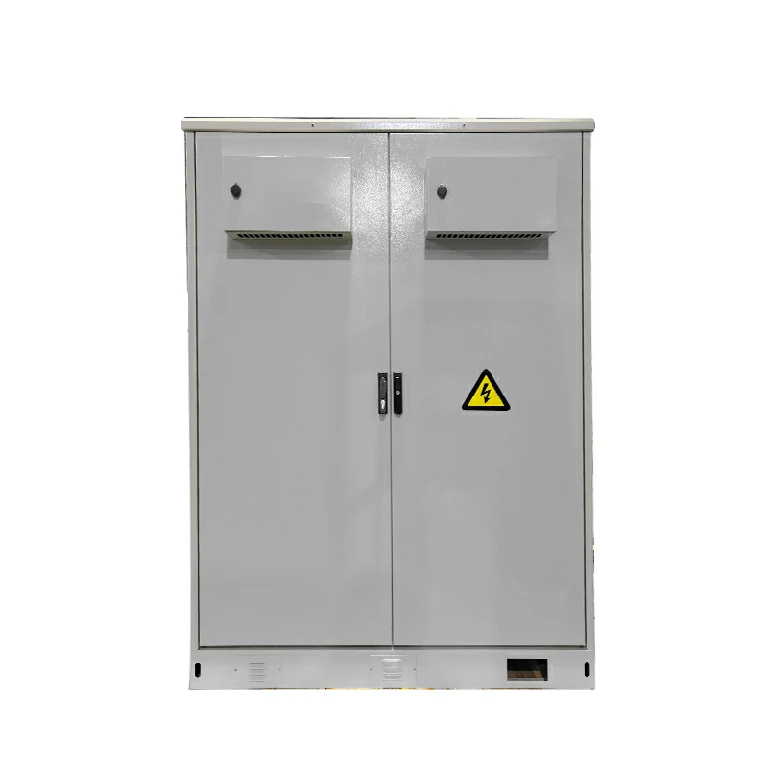
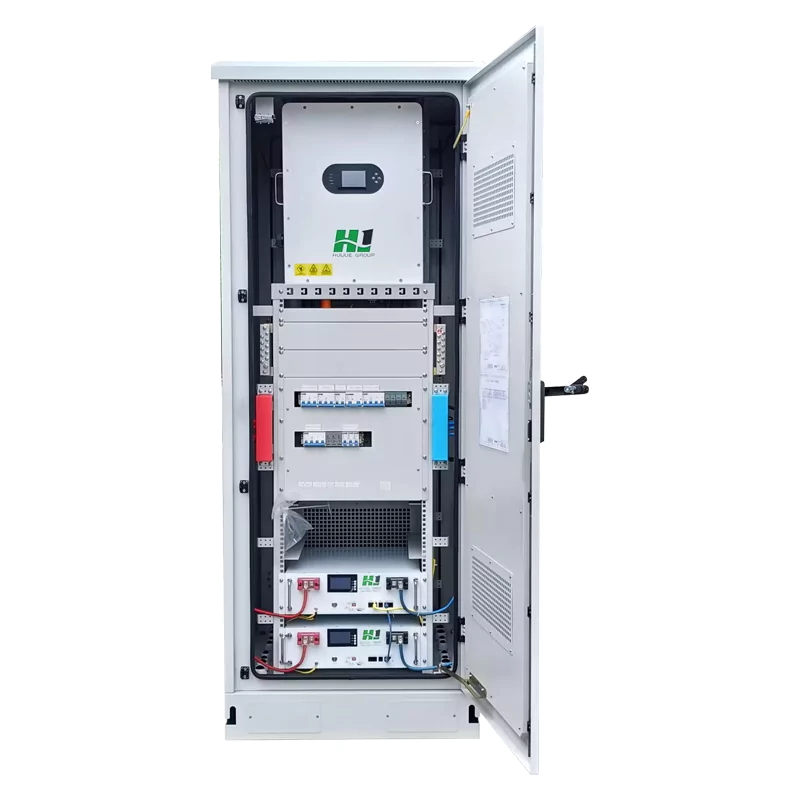
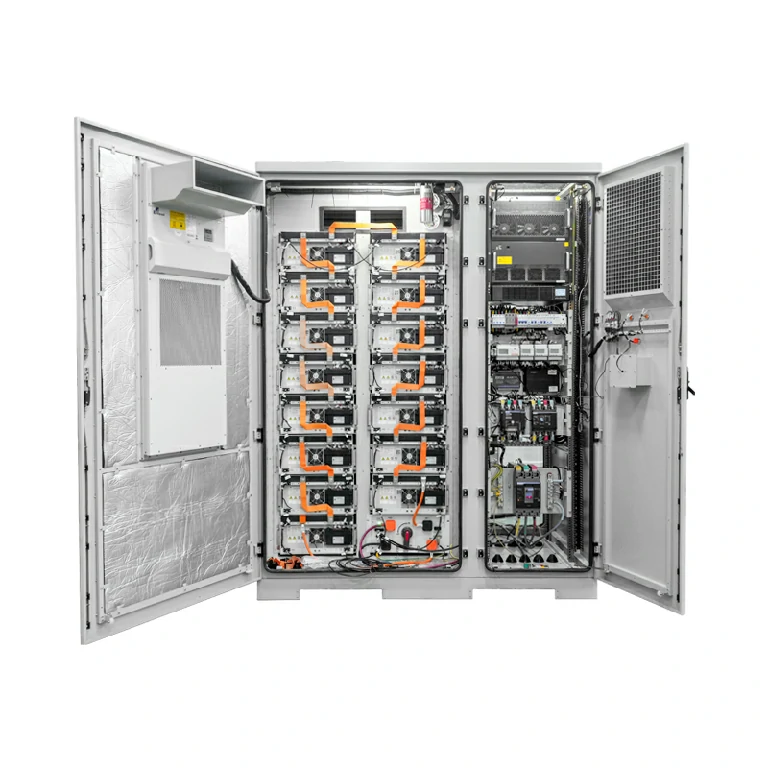
- Outdoor battery cabinets
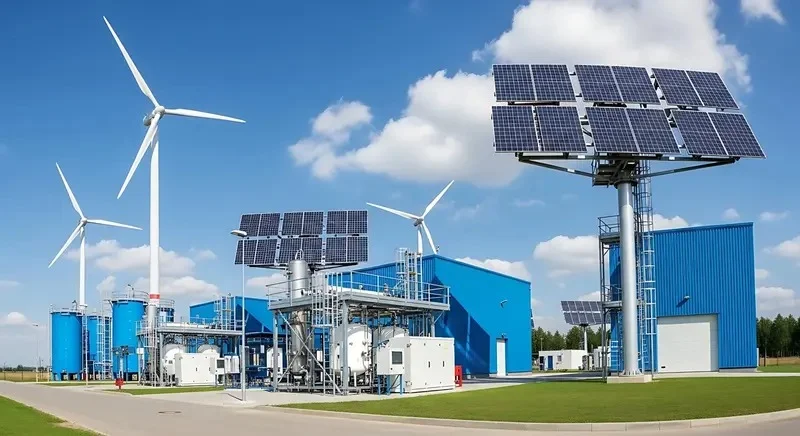
- Hybrid solar + storage systems
- AI-based energy management
- Distributed energy storage networks
These trends show a growing realization of the importance of energy management as a competitive advantage in telecom infrastructure.
How Much Can You Really Save?
The cost savings from a base station energy storage system are typically in the range of 15-30% of peak cost, although this can be even higher in areas dominated by 5G or areas with particularly high tariffs. The predictable load profiles, peak demand, and decentralized nature of telecom base stations make them particularly well-suited for battery-based peak shaving.
For telecom operators struggling with increasing energy costs, deploying base station battery cabinets is now not just about providing backup power. It is becoming a key tool for cost reduction, grid resilience, and future-proofing their infrastructure efficiency.