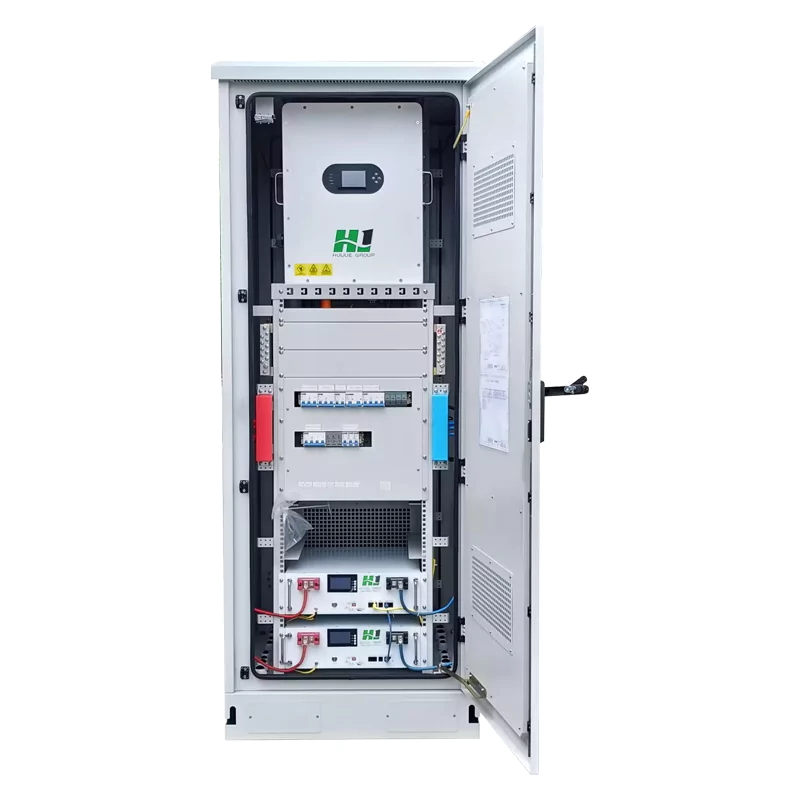
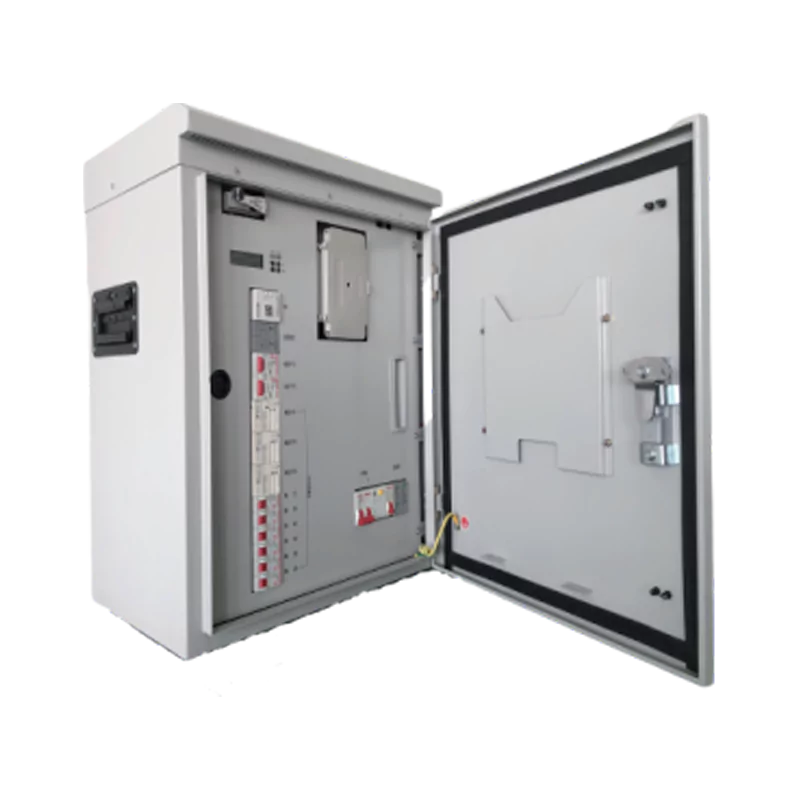
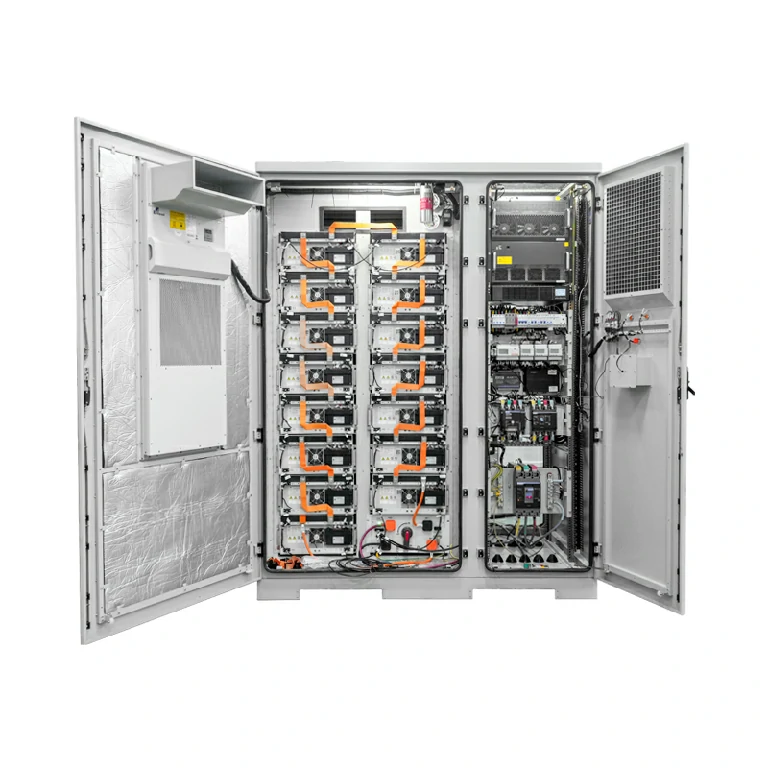

Discover the Benefits of an Outdoor Equipment Cabinet
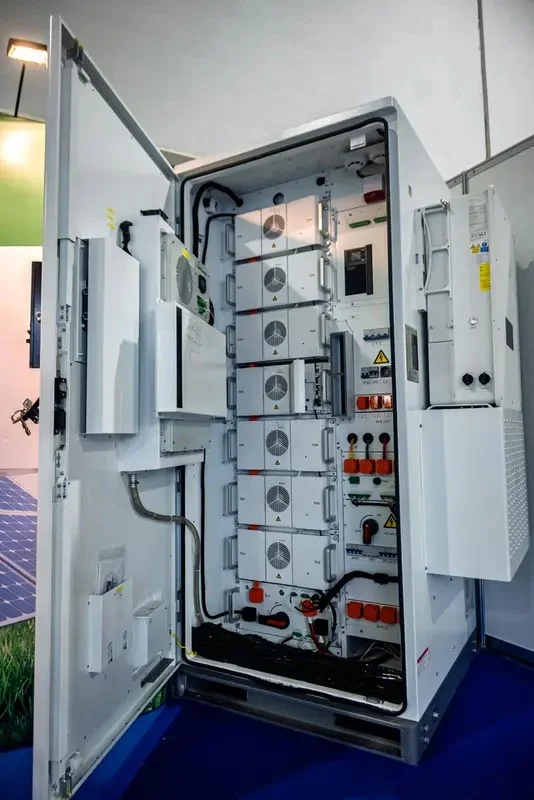
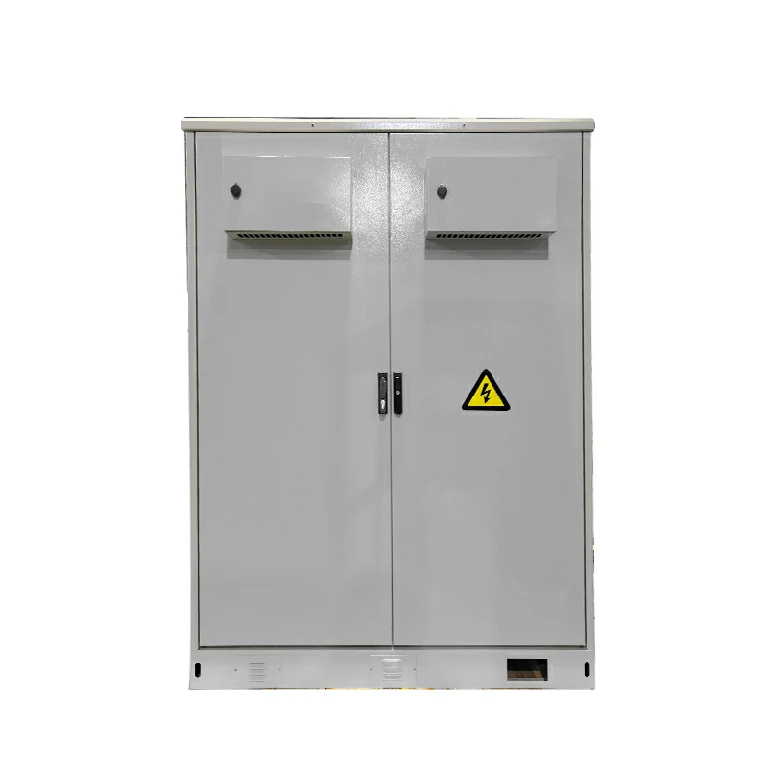
An outdoor equipment cabinet is no longer just an enclosure to protect equipment from the outside environment. It is an integral component of today’s telecommunication infrastructure, smart cities, industrial control, and renewable energy. With the increasing trend of equipment deployment towards the edge, the use of outdoor cabinets is on the rise. Thus, the requirement for robust, secure, and environmentally resistant cabinets continues to grow.
It does not matter whether you are deploying an outdoor telecommunication cabinet for your network expansion needs or are using remote control systems in extreme environments. It is essential to know the benefits of using an outdoor equipment cabinet to ensure your deployment works smoothly in the outside environment.
Why Outdoor Equipment Cabinets Are Becoming Essential
The number of outdoor installations is growing exponentially. There are 5G installations, roadside monitoring installations, solar panel installations, and industrial IoT installations. All these installations require equipment to function in an environment other than an indoor environment. These environments are challenging, and indoor racks are simply not designed to handle these challenges.
For example, temperature extremes, humidity, dust, vandalism, and maintenance accessibility are challenges. These challenges can be solved with an outdoor equipment cabinet. These cabinets provide solutions with intelligent cooling, protection, and strength. More importantly, these cabinets allow organizations to deploy their infrastructure in a decentralized manner. They can deploy their equipment closer to where it is actually required.
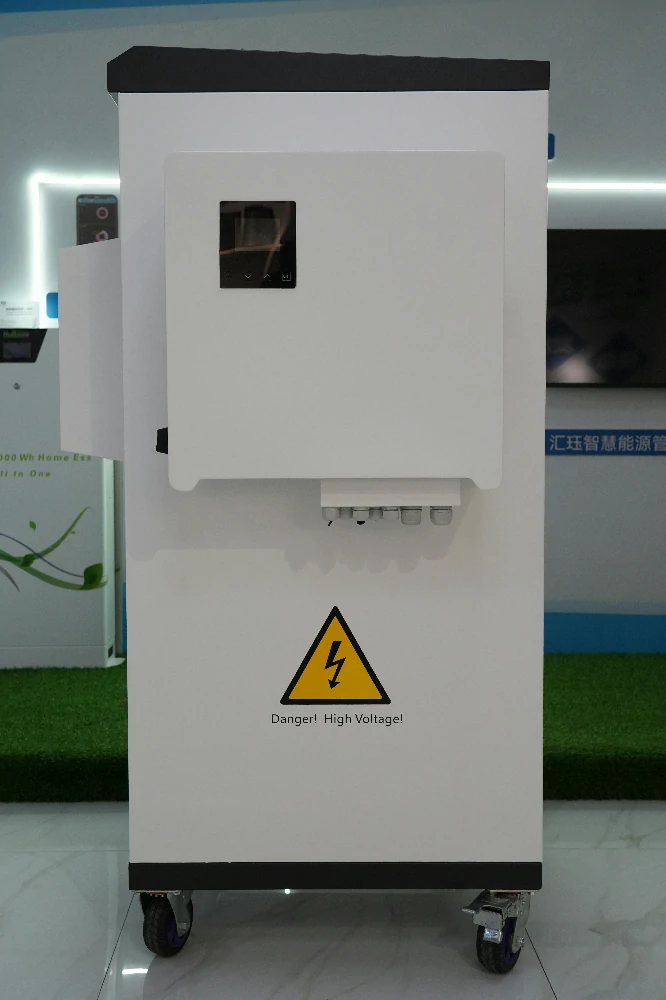
What Is an Outdoor Telecom Cabinet and How Does It Differ?
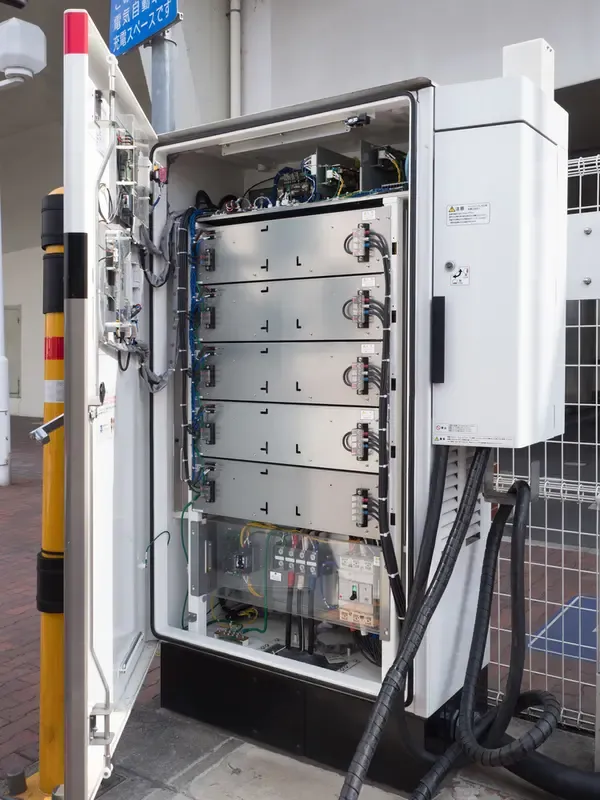
An outdoor telecom cabinet is a specialized outdoor equipment cabinet that is designed to house telecom infrastructure in particular. The types of equipment that are commonly found in telecom cabinets include:
- Base station equipment
- Fiber distribution units
- Power supply units
- Backup batteries
- Switches and routers
While industrial-grade cabinets are generally suitable for housing telecom equipment, telecom cabinets may have more stringent environmental, cable management, and reliability requirements compared to their industrial counterparts.
The study titled ETSI EN 301 169 — Engineering Requirements for Outdoor Telecom Enclosures, published by European Telecommunications Standards Institute, explains that outdoor telecom enclosures must address environmental exposure, structural durability, and operational safety to ensure stable telecommunications performance in outdoor environments. These requirements highlight why specialized outdoor cabinets are essential for telecom deployments.
Key Benefits of Using an Outdoor Equipment Cabinet
Environmental Protection in Harsh Conditions
The outdoor equipment is also exposed to unpredictable weather. Rain, snow, dust, and humidity can all damage the electronics. However, the right outdoor equipment cabinet helps to prevent all this.
The modern outdoor equipment cabinets come with the following features:
- Sealed doors
- Corrosion-resistant materials
- Dust-proof construction
- UV-resistant finishes
This helps extend the equipment’s lifespan. For outdoor equipment in remote locations, this can greatly reduce the maintenance costs.
Improved Security for Remote Installations
Security is another important feature. The outdoor equipment is usually placed in public areas. This makes it vulnerable to theft and unauthorized access.
The outdoor equipment cabinets usually come with the following features:
- Locking mechanisms
- Anti-theft hinges
- Steel construction
- Access control systems
Some even come with smart technologies that enable the detection of unauthorized access.
Thermal Management and Equipment Stability
Heat is probably the biggest threat to equipment. The outdoor equipment cabinet will be exposed to internal heat generated by equipment and external heat in the form of sunlight.
Good thermal management practices include:
- Passive ventilation
- Fan cooling systems
- Heat exchangers
- Air conditioners
- Solar shielding concepts
Determining the correct cooling technique will depend on environmental factors, equipment density, and available power resources. This will ensure proper equipment cooling and prevent hardware failure.
Space Efficiency and Flexibility in Deployment
Outdoor equipment cabinets provide efficient flexibility in deployment in areas that are limited or hard to reach. Outdoor equipment cabinets can be efficiently deployed in areas such as:
- Alongside roadsides
- On rooftops
- Near cell towers
- Industrial areas
- Renewable energy farms
This will reduce construction costs and make it easy to expand. Companies will not need to construct buildings; instead, they will be able to deploy outdoor equipment cabinets wherever they want.
Design Features That Matter Most
Not all outdoor equipment cabinets are created equally. There are many factors that will affect performance and reliability.
| Feature | Why It Matters | Typical Benefit |
| Weather Protection | Shields from rain and dust | Longer equipment lifespan |
| Cooling System | Maintains safe temperature | Stable performance |
| Material Strength | Resists corrosion and damage | Reduced maintenance |
| Cable Management | Organized connections | Easier servicing |
| Security Locks | Prevents unauthorized access | Improved safety |
| Mounting Options | Flexible installation | Easier deployment |
Choosing the right set of these features is dependent on your application and environment.
Outdoor Equipment Cabinet vs Indoor Rack
Knowing the difference between indoor racks and outdoor cabinets will help understand the need for outdoor equipment cabinets.
| Feature | Indoor Rack | Outdoor Equipment Cabinet |
| Weather Resistance | No | Yes |
| Temperature Control | Limited | Advanced |
| Security Protection | Basic | Enhanced |
| Deployment Location | Indoor only | Indoor or outdoor |
| Structural Strength | Moderate | Heavy-duty |
Whereas indoor racks are designed for indoor conditions, outdoor equipment cabinets are designed for outdoor conditions and are built to last.
Common Applications for Outdoor Equipment Cabinets
Outdoor equipment cabinets are used in various sectors. The most common applications are:
Telecommunications Infrastructure
Outdoor telecom cabinets are used for the following applications:
- 5G rollouts
- Fiber connectivity
- Small cell solutions
- Edge computing sites
The cabinets are designed to bring the user closer to the network and minimize latency.
Smart City Infrastructure
Outdoor equipment cabinets are used in various smart city applications. The most common are:
- Traffic management
- Surveillance
- Public Wi-Fi
- Environmental monitoring
These systems must operate continuously in public spaces, making durable outdoor enclosures essential.
Industrial Automation
Factories and industrial plants utilize outdoor cabinets for the following purposes:
- Remote monitoring
- Control systems
- Automation
- Power distribution
By placing the equipment outside the plants, it is closer to the process.
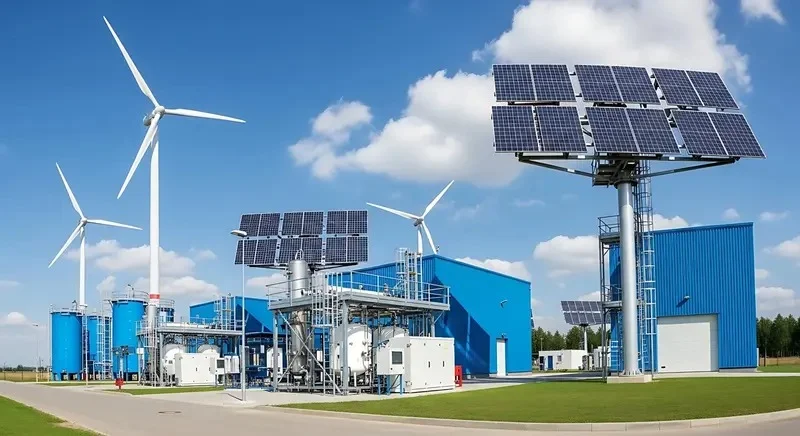
Renewable Energy Projects
Solar farms and wind energy plants heavily depend on outdoor cabinets for the installation of the following:
- Inverters
- Monitoring systems
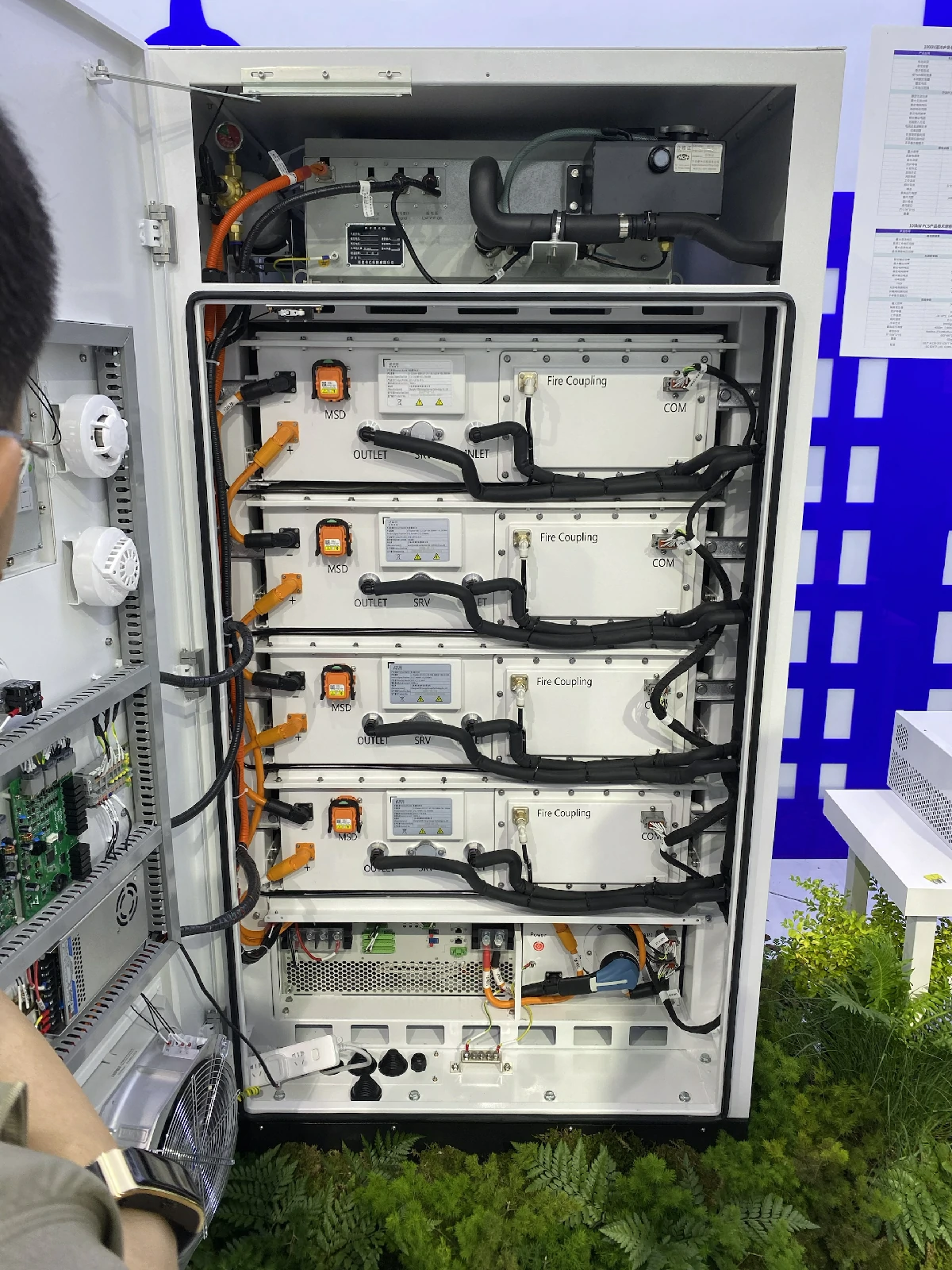
- Battery systems
- Communication devices
How to Choose the Right Outdoor Equipment Cabinet
When selecting the appropriate outdoor equipment cabinet, there are several considerations that have to be made.
Consider Environmental Conditions
When selecting an outdoor equipment cabinet, consider the following environmental conditions:
- Temperature range
- Humidity levels
- Amount of dust exposure
- Amount of sunlight exposure
For harsh environments, more durable materials or cooling solutions may be necessary.
Evaluate Equipment Requirements
When selecting an outdoor equipment cabinet, consider the following requirements for your equipment:
- Equipment size
- Heat output
- Power requirements
- Cable requirements
If you do not select the appropriate cabinet for your equipment, you may run into issues with your equipment in the future.
Plan for Future Expansion
When selecting an outdoor equipment cabinet, consider whether or not you plan on expanding your system in the future. If you do, selecting a cabinet that is slightly larger than your current requirements may be beneficial in the long run.
Focus on Maintenance Accessibility
Easy access improves service efficiency. Look for features like:
- Removable panels
- Organized cable routing
- Service-friendly layouts
These details matter more over time, especially in remote installations.
The Long-Term Value of Outdoor Equipment Cabinets
An outdoor equipment cabinet, however, is more than simply a protective housing. It’s a foundation for reliable outdoor infrastructures. It’s a part of telecommunication networks, industrial control systems, and more.
A well-designed outdoor equipment cabinet can help prevent downtime, protect expensive equipment, and make expansions easier. As more and more devices are moved outdoors, a well-designed cabinet becomes a practical long-term solution, not simply a peripheral device.
If you are planning to implement your devices outdoors, start by considering your environment, your equipment, and your expansion needs. A well-designed outdoor telecom cabinet or outdoor equipment cabinet can help improve reliability and provide stable performance for your devices.