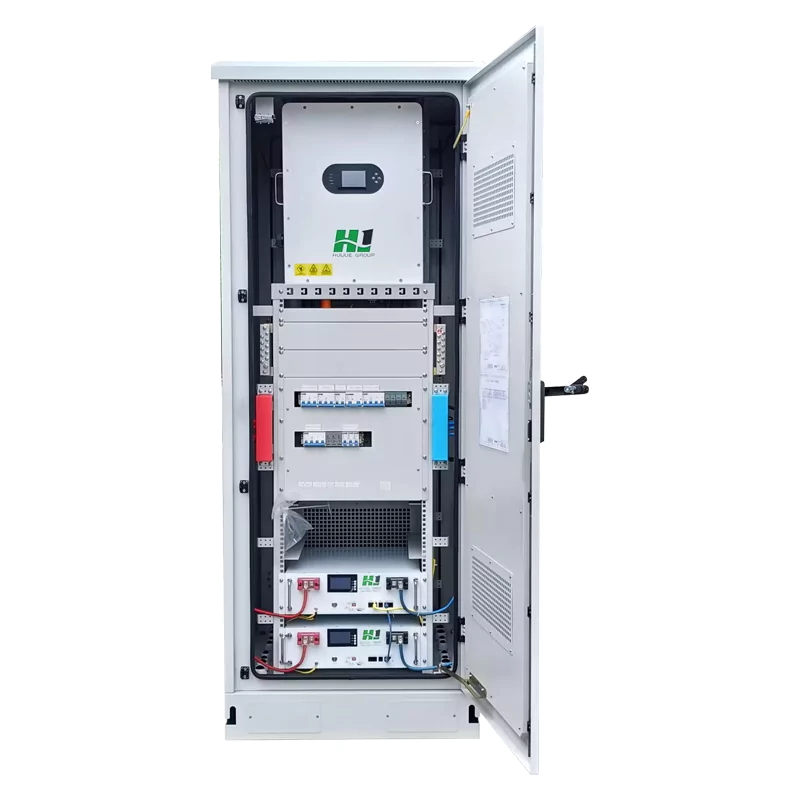
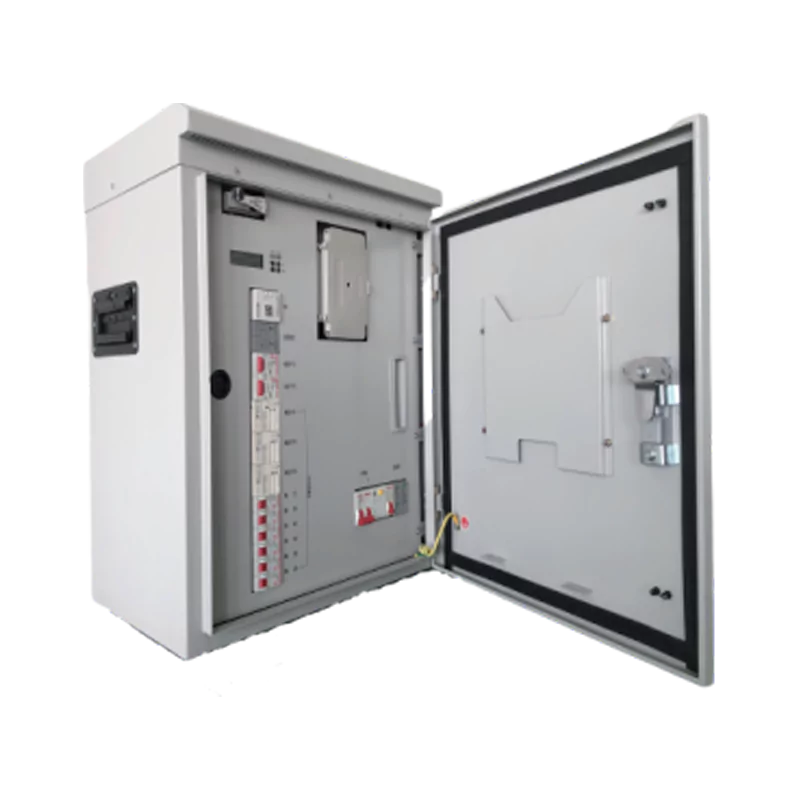
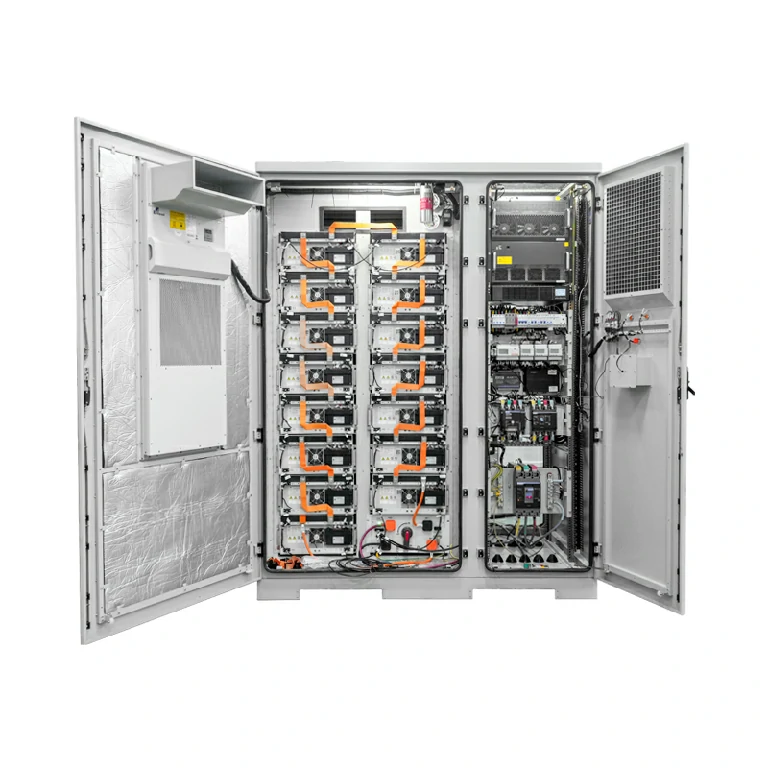

How Much Do Outdoor Base Station Cabinets Usually Cost?

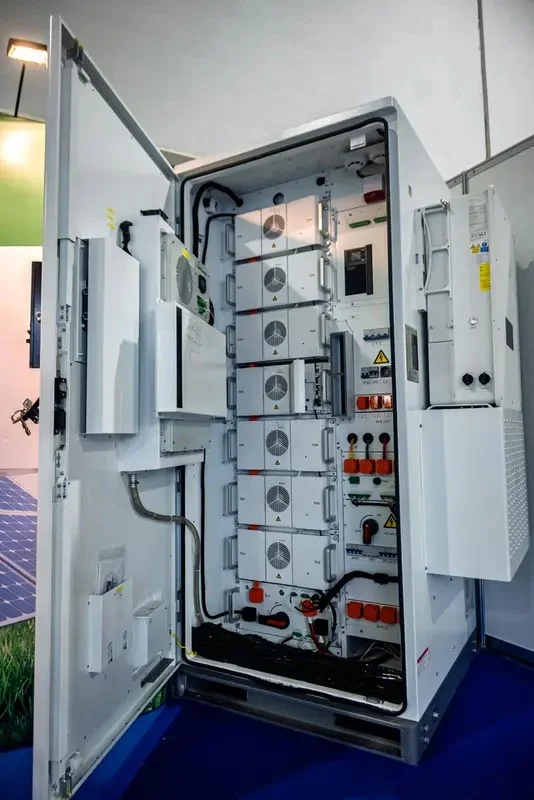
If you’re building or upgrading a telecom site, the first of many big infrastructure questions is: How much does an outdoor base station cabinet cost? These rugged cabinets protect critical equipment such as radios, batteries, and power systems. Their price varies widely depending on design, materials, capacity, cooling, and security features.
In the following article, I’ll walk you through typical cost ranges for base station cabinets, including related types of battery cabinets and outdoor telecom cabinets; what influences higher or lower prices; and how one can estimate a realistic budget for their project.
What Factors Affect the Price of an Outdoor Base Station Cabinet
Several factors determine how expensive a cabinet will be:
- Material and Build Quality: Cabinets can be made from galvanized steel, stainless steel, or aluminum. Higher corrosion resistance and structural strength add cost.
- Thermal Management:Cabinets utilized in hot climates may require active cooling – air conditioners, heat exchangers – further adding to price.
- Weatherproofing Protection Level: Using IP-rated doors, seals, and ventilation increases the price.
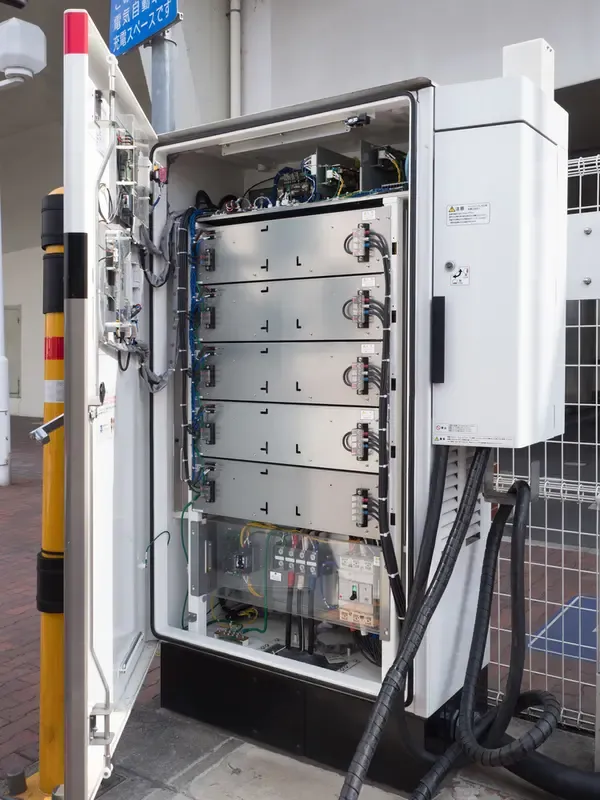
- Battery Integration: If you put a battery cabinet inside or alongside, the costs increase due to additional shelving, safety compartments, and wiring.
- Security Features:Reinforced door locks, anti-pry hinges, and sensor integration add to cost but are highly important in remote or public areas.
- Size and Capacity:Larger cabinets, multi-bay, cost more when contrasted with smaller single-bay units.
- Control & Monitoring:Cabinets are often fitted with remote monitoring systems, sensor packages, and data logging, adding cost but enhancing reliability.
Typical Cost Ranges
Following is a summary of some standard types of outdoor base station and telecom cabinets, along with their approximate prices:
| Cabinet Type | Description | Typical Price Range |
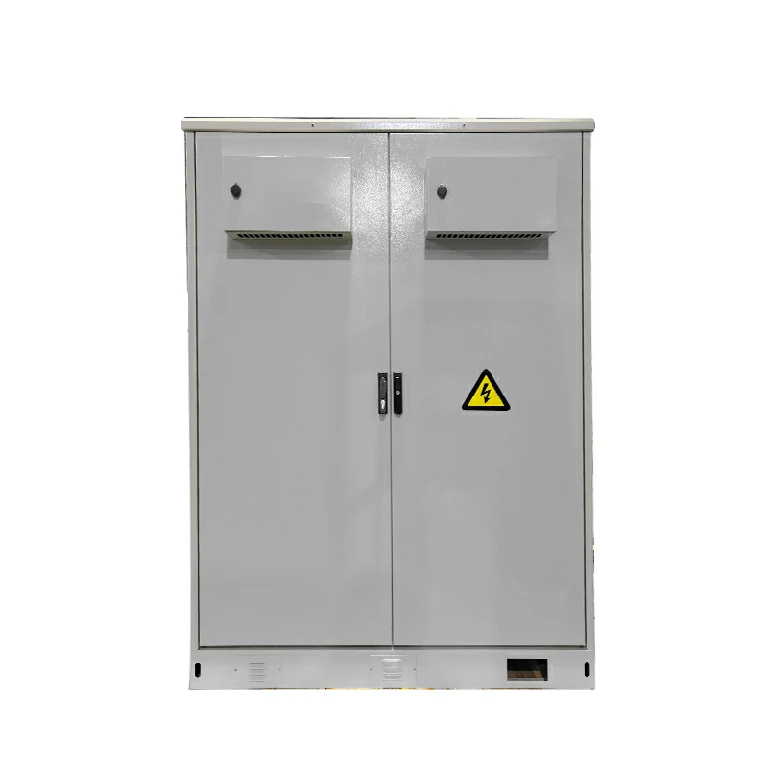
| Basic Outdoor Telecom Cabinet | Small single-rack cabinet with minimal ventilation | $1,000 – $3,000 |
| Outdoor Base Station Cabinet | Medium rack, basic cooling, security features | $3,000 – $6,000 |
| Battery/Power Storage Cabinet | Includes space for modules and safety compartments | $5,000 – $10,000+ |
| High-Spec Outdoor Base Station Cabinet | Advanced cooling, fire protection, full monitoring | $8,000 – $15,000+ |
These prices are estimates for manufacturing-grade telecom cabinets; prices may differ based on geography, shipping, and supplier.
Real-World Examples
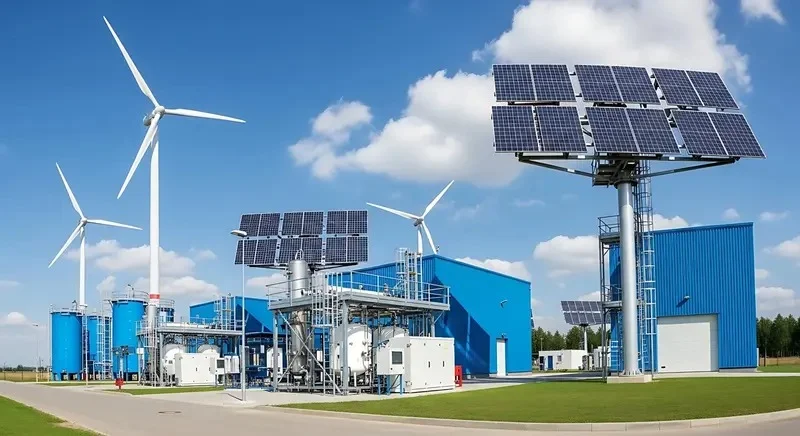
In rural parts of Africa, for instance, telecom operators install cabinets outdoors that are rugged to power base stations using solar and batteries. While exact unit prices vary, several thousand dollars per cabinet is a common investment that field engineers make to achieve reliability under harsh weather conditions and support backup power.
In similar fashion, in Southeast Asia, mobile network providers who deploy base station cabins to remote mountain sites often include cabinet designs with integrated battery racks and cooling systems that can sustain power through grid outages for long hours.
Real-world deployments show that downtime and maintenance costs can be greatly reduced when investing in a quality cabinet upfront.
Why It’s Worth Investing in a Good Outdoor Cabinet
Improved Reliability
A strong cabinet protects sensitive electronics. With proper venting and weatherproofing, your radio, power, and battery systems stay safe in extreme heat, rain, or wind.
Extended Equipment Life
By integrating cooling with weather protection, you reduce equipment stress. That means fewer failures, fewer replacements, and less frequent site visits.
Safety and Security
Various outdoor base station cabinets are designed with a separate compartment for the battery cabinet, which can safely hold lead-acid and lithium batteries from tampering, temperature hazards, and mechanical damage.
Lower Long-Term Costs
While a high-spec telecom cabinet can be more expensive upfront, it often pays for itself by reducing fuel back-up needs, improving solar-battery efficiency, and minimizing maintenance.
Budgeting Tips for Cabinet Deployment
Some practical tips when planning and budgeting would include:
Estimate Internal Load
List all equipment: radios, power supplies, batteries, and request a cabinet with sufficient internal volume and rack space.
Climate Consideration
If your site is located in a hot or a humid region, then budget more for cooling or thick insulation.
Battery Requirements
Decide early whether you’ll use lead-acid or lithium batteries; decide early if you want a separate battery cabinet or integrated space.
Security Requirements
If the site is in a remote location or publicly accessible, include reinforced locking and anti-tampering features.
Monitoring and Maintenance
Also consider adding remote monitoring like temperature, door status and voltage, reducing expensive site visits.
Common Misconceptions
“Base station cabinets are cheap.” Not necessarily—cheap ones may lack critical protections and fail early.
“I don’t need cooling for my site.” Even in mild climates, the electronics in a sealed box will overheat without proper airflow.
“Battery storage doesn’t need its own cabinet.” Mixing batteries with electronics in poorly designed racks compromises safety and longevity.
Personal Insight
In my experience working with telecom installations, the cabinet often becomes a site’s unsung hero. While radios and power systems get the spotlight, a well-engineered outdoor base station cabinet quietly ensures everything stays up and running-even through storms or extended outages. Invest in good-quality cabinet infrastructure, and it really reduces the headaches involved, at least for long-term remote deployments.
You can check our cabinet and infrastructure solution offerings if you want to explore different cabinet configurations or identify which outdoor base station cabinet fits your deployment plan.