
What is a Base Station Cabinet?
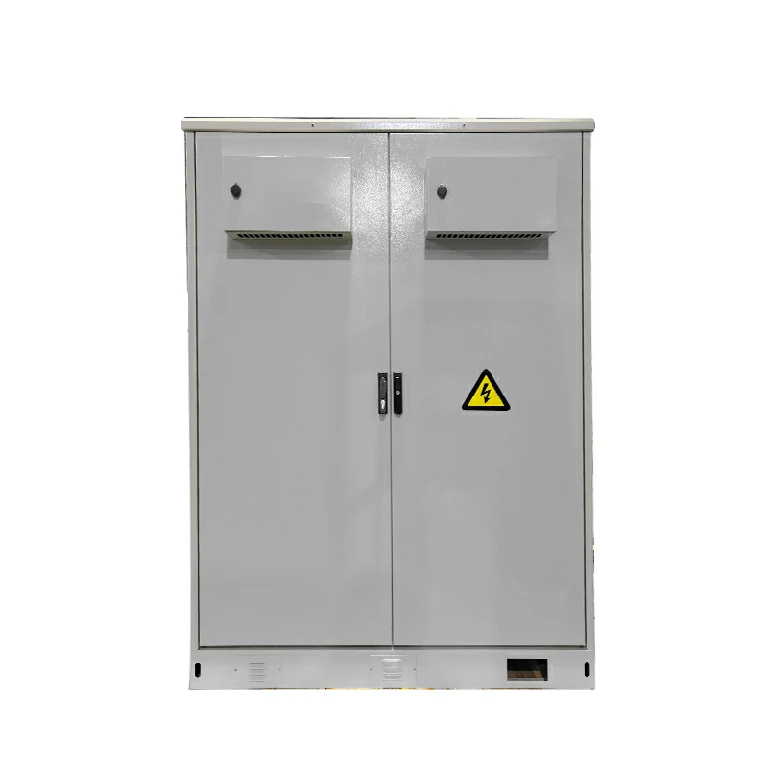
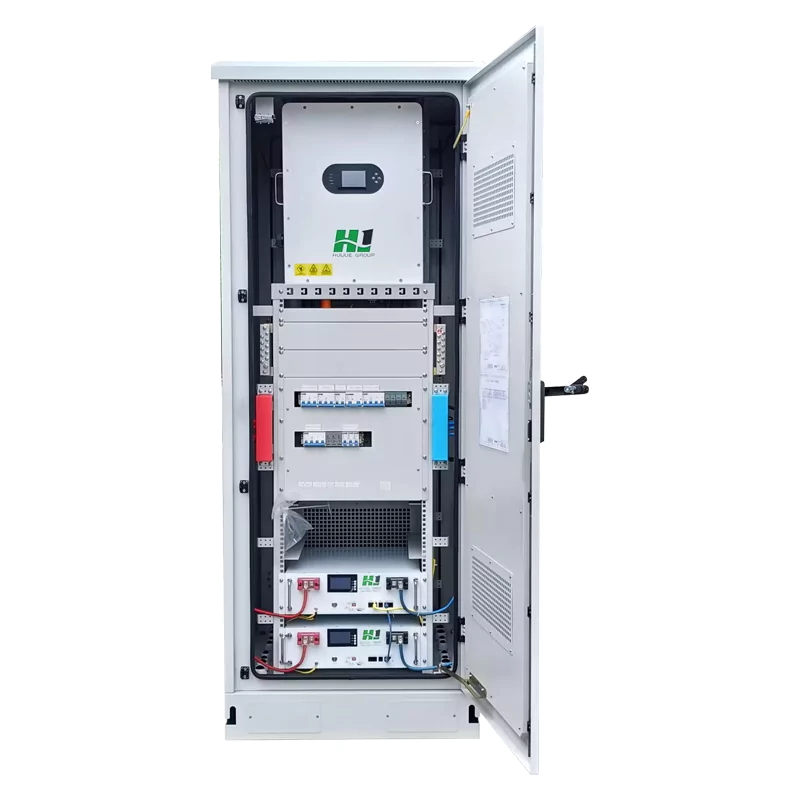
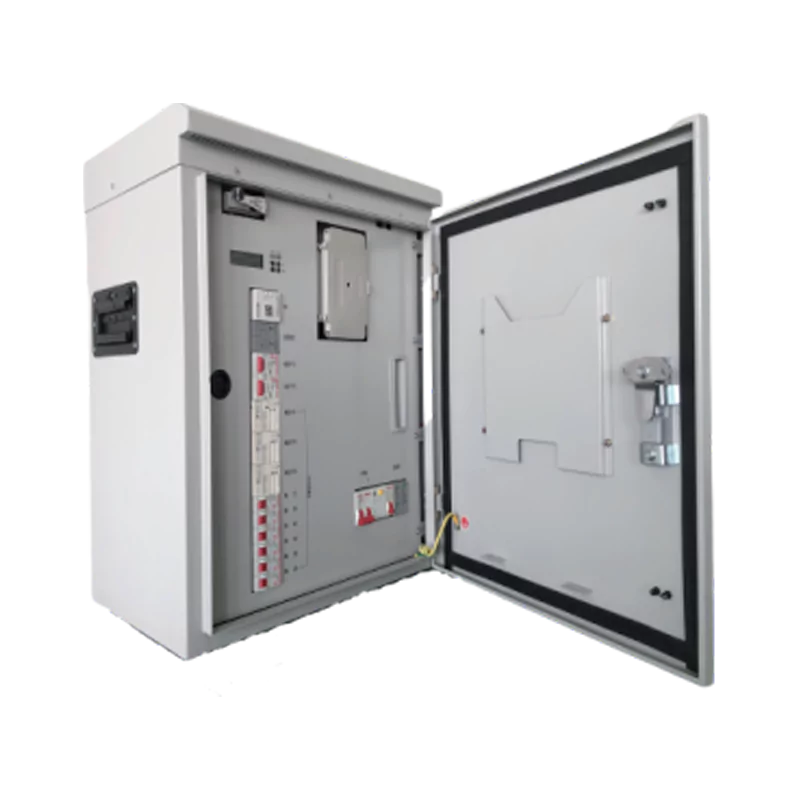
A base station cabinet is a protective enclosure for the sensitive communication equipment that keeps mobile networks running. It protects the radios, transmission modules, power systems, batteries, and monitoring devices against bad weather, temperature variations, and security vulnerabilities. When situated in highly concentrated cities or more remote areas, the cabinet ensures that each hour of the day has stable and reliable telecom signals.
Both indoor and outdoor telecom cabinet designs work in the first part of a base station’s power and communication chain to maintain an environment that is controlled and secure. It might seem like a modest, single structure on the outside, but inside it supports the complicated ecosystem that makes mobile communication possible.
Modern telecom networks rely on this cabinet, as sensitive components could be degraded rapidly without a consistent working environment, caused by heat, moisture, dust, or vibration. The International Energy Agency says that telecom and data transmission systems require stable, uninterrupted operation to keep global connectivity going. That stability is made possible by a base station cabinet.
Why Base Station Cabinets Are Important in Today’s Telecom Networks
The scale and complexity of the modern telecommunication technologies keep growing. Nowadays, thousands of large and small sites have to be operated by network operators in severe outdoor conditions. A base station cabinet allows solving a number of operational problems simultaneously: protection, organization, cooling, power management, and security.
The practical question that most people ask is: What would happen to base station equipment if it were simply exposed to the environment? Most of the time, rain, dust, or extreme temperatures would shorten the life expectancy of electronics or shut them down completely. If a single site goes down, connectivity drops, affecting everything from phone calls to mobile data services.
In 2021, a network operator in northern Finland began upgrading its weather-exposed stations to insulated outdoor cabinets in an effort to reduce downtime caused by winter temperatures. The change immediately stabilized equipment performance, showing how crucial proper enclosure design is in extreme climates.
A base station cabinet acts like a small but crucial part of the infrastructure that keeps communication always up to par, even when conditions outside are unpredictable.
Core Functions of a Base Station Cabinet
A well-designed cabinet fulfills several functions all at once. Each of these functions supports a different aspect of network performance.
Environmental Protection
This is the most visible function. The cabinet protects sensitive equipment against:
- Rain, snow, and humidity
- Heatwaves or freezing temperatures
- Airborne dust or sand
- UV exposure
- Corrosion induced by sea-side air
The cabinets installed around coastlines or deserts depend heavily on this feature, as natural conditions may become extremely harsh.
Thermal Management
Telecom systems generate constant heat. If that heat isn’t controlled, equipment may become unstable. Base station cabinets can include:
- Ventilation fans
- Heat exchangers
- Air conditioners
- Insulation materials
This keeps internal temperatures within the safe operating range recommended by research institutions such as NREL, which puts great emphasis on thermal stability as one of the variables for electronics longevity.
Power Distribution and Backup
Any telecom site requires stable power to operate. Power components inside a base station cabinet may include:
- AC/DC conversion units
- Power distribution units
- Surge protection
- Backup battery modules
In areas with power fluctuations in the grid, backup systems can prevent sudden outages and protect signal continuity.
Security and Access Control
Outdoor sites are often unattended. Cabinets can incorporate:
- Locking systems
- Anti-tamper designs
- Alarm integration
- Motion or access sensors
These features protect equipment from theft and/or damage, which ensures network stability.
Types of Base Station Cabinets
There are different designs of cabinets for different network environments. The common types and their features are summarized on the following table:
| Cabinet Type | Description | Best For |
| Indoor Base Station Cabinet | Installed indoors inside telecom rooms or buildings; focuses on cable organization and ventilation | Urban base stations, data center sites |
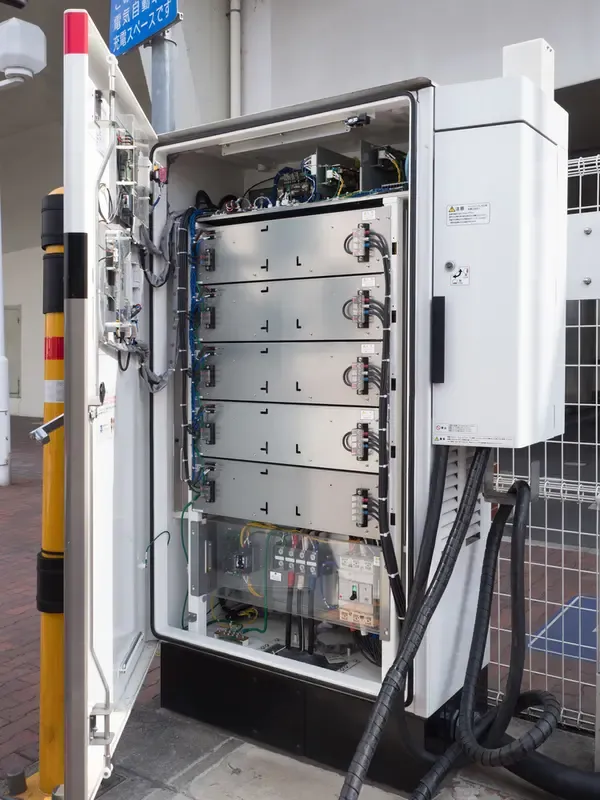
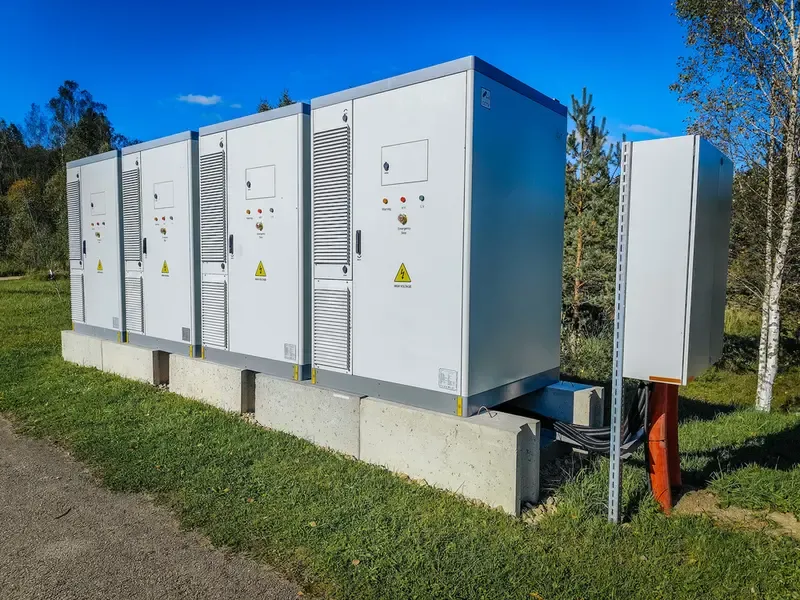
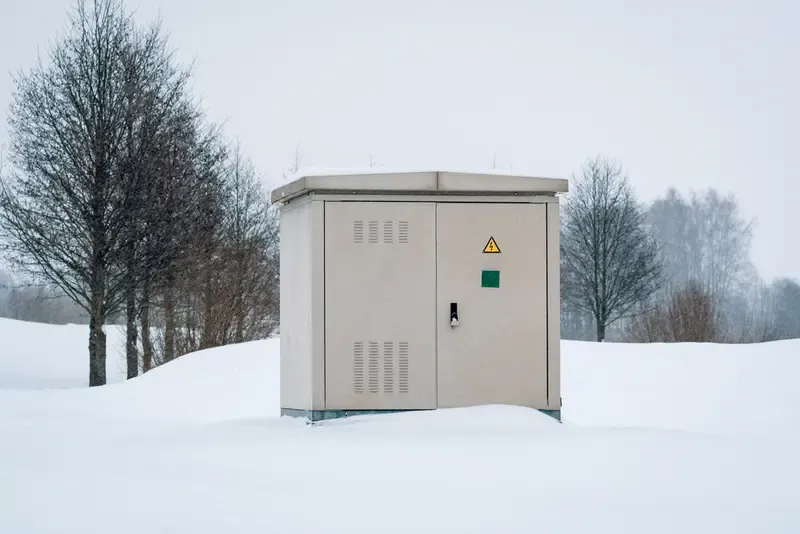
| Outdoor Telecom Cabinet | Weatherproof, insulated, vandal-resistant, including thermal systems | Remote locations, rooftops, roadside sites |
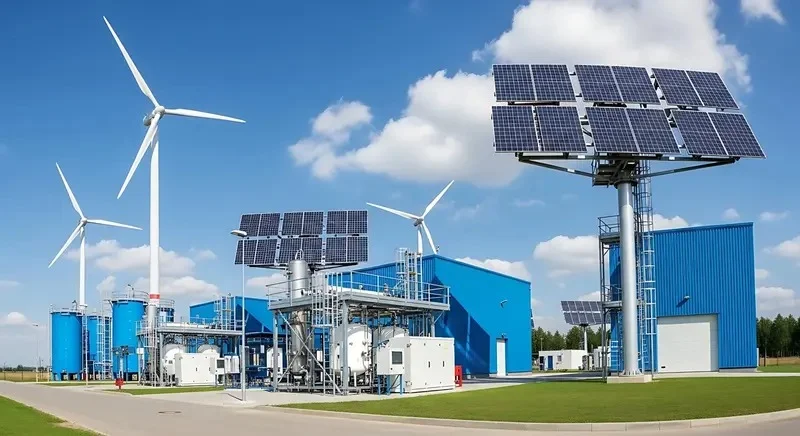
| Hybrid Power Cabinet | Integrates solar, wind, or hybrid systems with telecom hardware | Off-grid or unstable-power environments |
| Battery-Dedicated Cabinet | Houses energy storage units separately from radio systems | Large communication towers or high-capacity installations |
Outdoor telecom cabinets remain the most adopted option owing to their rugged design and ability to operate independently in harsh climates.
What’s Inside a Base Station Cabinet?
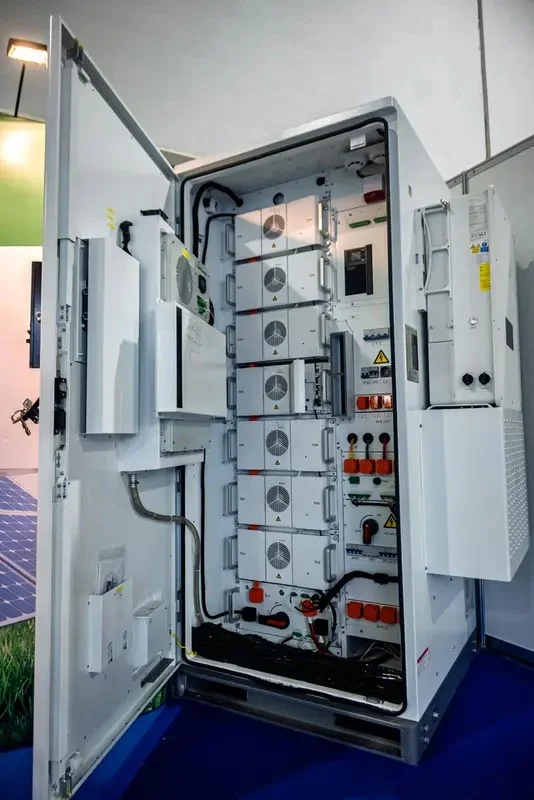
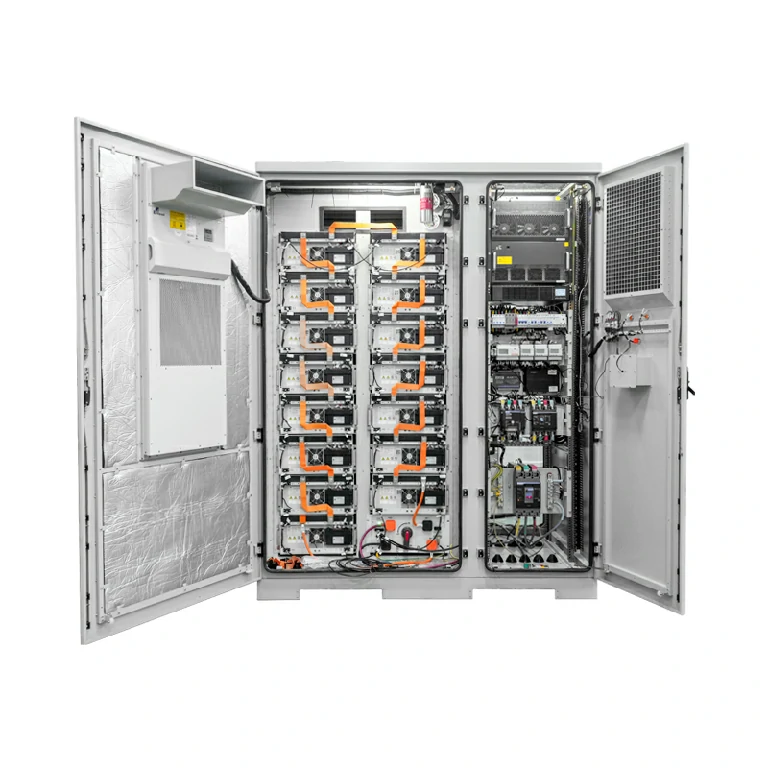
Inside a base station cabinet, every component is placed in such a way as to favor airflow, safety, and easy maintenance. Configurations vary depending on the scale of the network, but most cabinets include:
Radio and Signal Components
- Baseband units (BBUs)
- Remote radio units (RRUs)
- Transmission modules
These handle signal processing and communication between towers and core networks.
Power Components
- Rectifiers
- Surge protectors
- Backup batteries
- Circuit breakers
Stable power flow is important in order to keep equipment active.
Cooling and Monitoring Systems
- Temperature and humidity sensors
- Cooling fans or AC units
- Smart controllers
These systems automatically adjust internal conditions and alert operators when something is unexpectedly different.
Cable and Rack Structures
- Cable trays
- Grounding systems
- Mounting frames
Cable management plays a more important role than most people assume. Well-organized routing decreases electrical interference and simplifies maintenance work.
Design Features That Improve Cabinet Performance
The demands for telecom, coupled with the recent developments in 4G, 5G, and private network deployments, have pushed manufacturers to introduce advanced design features.
Modular Internal Layout
Individual modules can be replaced without having to replace the entire cabinet, making upgrades easier and long-term costs lower.
Corrosion-Resistant Materials
Most cabinets feature a body of powder-coated steel, stainless steel, or aluminum. These materials help take on harsh environments like tropical humidity or industrial pollution.
Improved Sealing and Insulation
Gaskets, reinforced seals, and heat-resistant insulation create a stable internal environment that is both dry and maintains temperature balance.
Smart Monitoring
Some cabinets integrate intelligent systems where temperature, humidity, door activity, and power load are recorded. Operators can monitor remote sites without physical visits.
In 2020, a rural Japanese telecom provider began deploying smart-monitored outdoor telecom cabinets in mountainous regions where technician travel was difficult. The upgrade in monitoring helped reduce maintenance visits by alerting teams only when needed, allowing for speedier troubleshooting and reduced labor.
Why Outdoor Telecom Cabinets Are Increasingly Popular
The expansion of networks into rural, industrial, and off-grid locations increases the importance of the outdoor telecom cabinet. These cabinets are built to endure environmental challenges while providing stable power and cooling.
Here are a few reasons they are widely adopted:
Operation in Remote or Harsh Conditions
Outdoor telecom cabinets can operate reliably with reduced human intervention from arid deserts to verdant forests to snowy areas.
Space efficiency
Most remote sites have very little space. Outdoor cabinets are compact, modular, and easy to deploy.
Cost-Effective Deployment
They exclude the time and money required to build a building or shelter, thus the setup is faster and cheaper.
Compatibility with Renewable Energy
Various outdoor cabinet designs may include solar or hybrid modules to meet worldwide energy efficiency requirements. According to the IEA, energy-efficient telecom infrastructure is an upward trend, particularly in off-grid scenarios.
How Base Station Cabinets Support Modern Communication
One of the most important, yet least visible components of modern communication is a base station cabinet. Everything that underpins a mobile signal-from voice calls up to high-speed internet-relies on the equipment inside this structure.
Here are some roles the cabinet plays in overall network reliability:
- Maintains consistent radio performance
- Safeguards hardware related to data transmission.
- Extends equipment life-span
- Reduces sudden maintenance events
- Protects critical systems in remote areas
Quality and durability become even more valuable as the telecom networks grow and shift towards higher bandwidth technologies.
Conclusion
A base station cabinet is one of the most indispensable components in telecom infrastructure, housing vital equipment, stabilizing power systems, and providing a means of reliable communication in all environments. Whether indoors or outdoors in an enclosure serving as a rugged outdoor telecom cabinet, its design directly impacts the efficiency and resilience of modern networks. If you’re interested in learning how hardware shapes today’s connectivity in telecom, you may want to delve deeper into related equipment and solutions in the field.