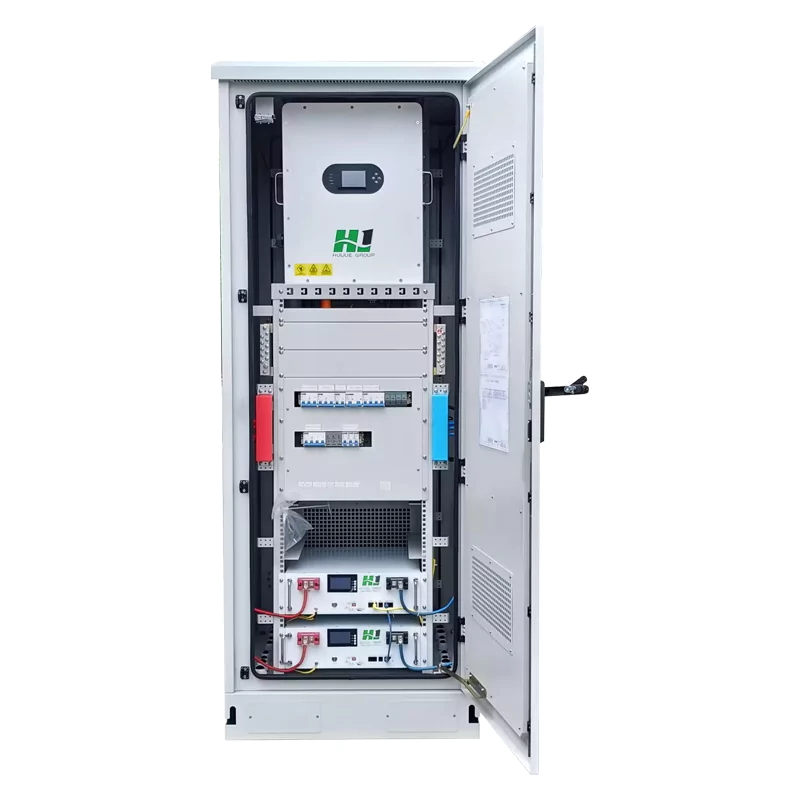
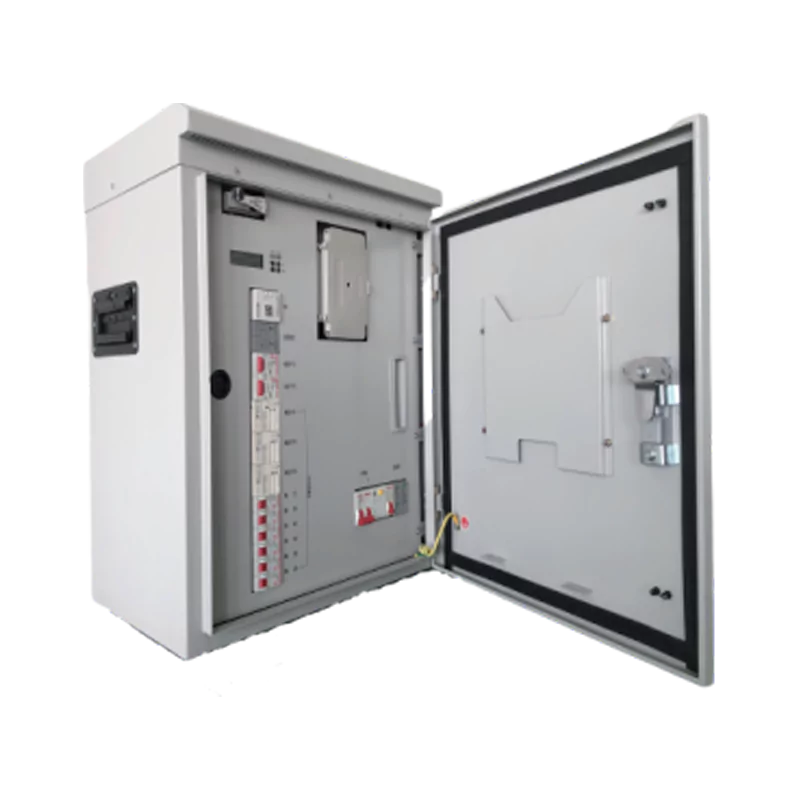
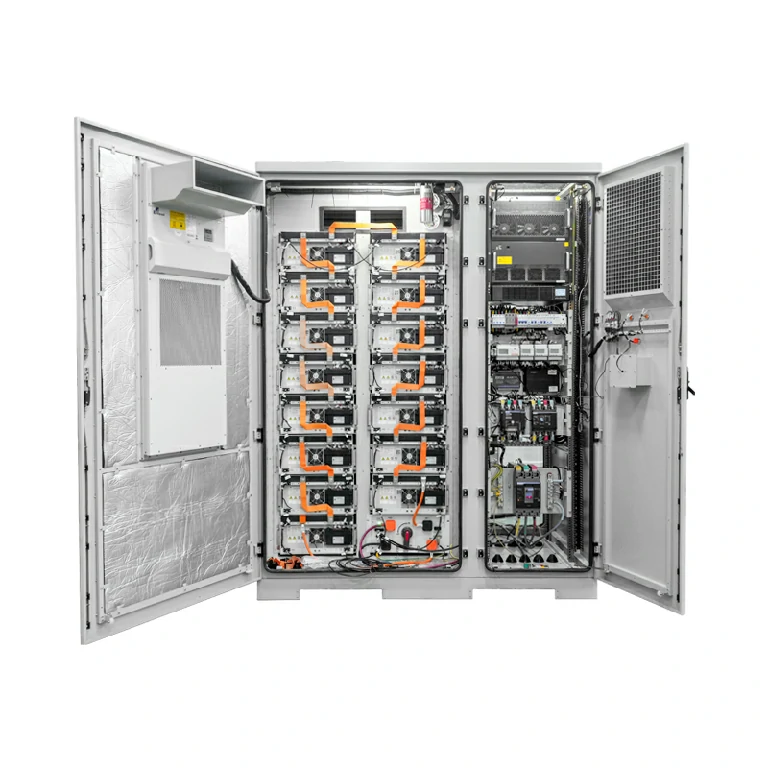

How to Choose the Right Outdoor Telecom Cabinet
Selecting an appropriate telecom cabinet for the outdoors is one of those projects that sounds easy on paper but can be costly if done incorrectly. When one looks at a data sheet, it is easy to find several different telecom cabinets that rate similarly. This changes significantly when one takes into consideration real-world applications.
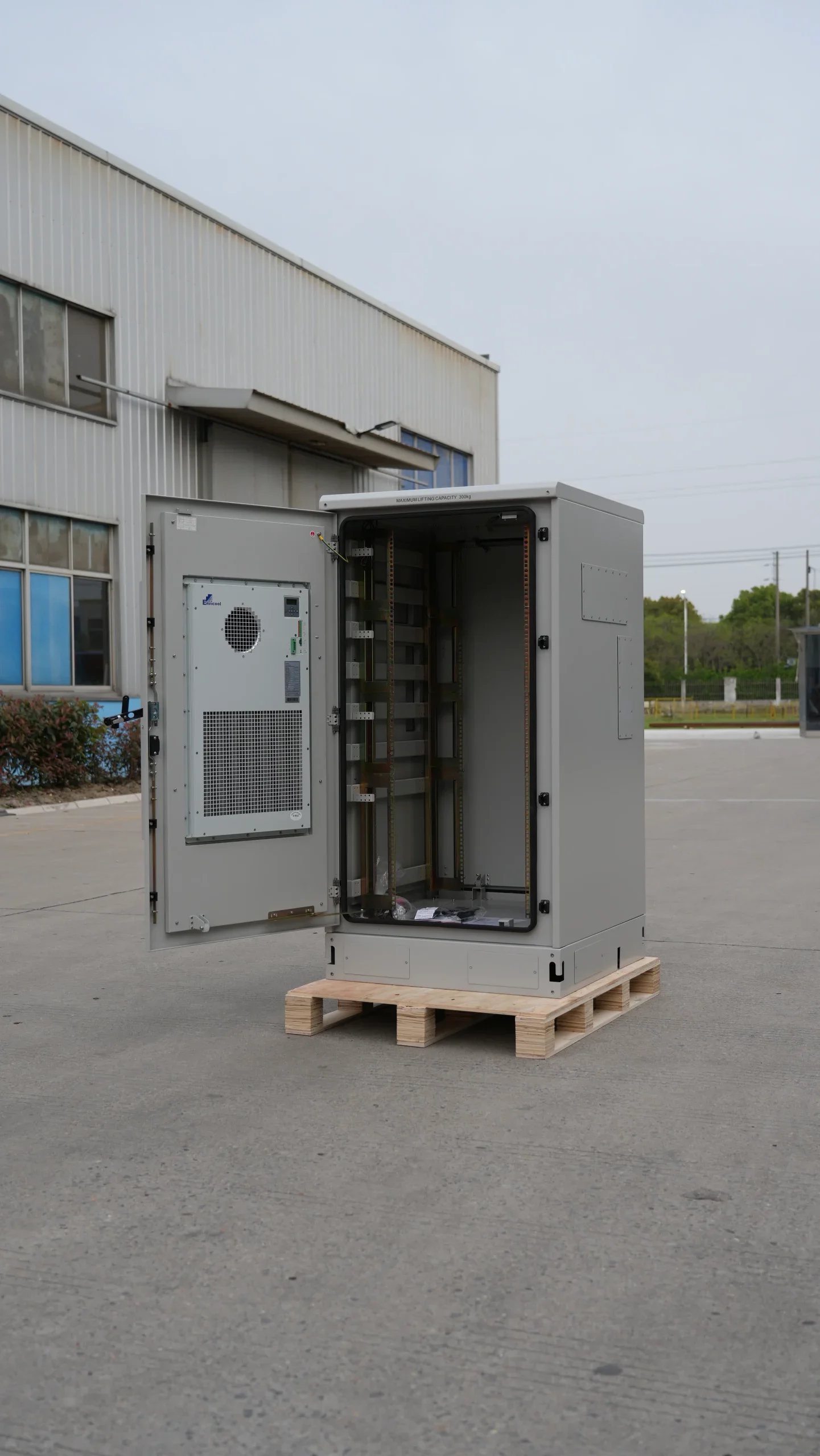
Start with the Application, Not the Cabinet
Prior to carrying out an comparison among outdoor telecom cabinets, one has to establish where and in what manner the product will be used.
Ask a few simple questions. What type of cabinet will be servicing a base station, fiber distribution point, or roadside network node. Will the cabinet operate in a constant versus intermittent mode. What will be the current and potential future number of active devices that are physically deployed.
These responses impact nearly all other decisions. A cabinet designed for an occasionally loaded roadside switch will be vastly different from one designed for radio equipment that regularly produces heat. Going back to the cabinet rather than starting with the process often creates oversizing in the wrong areas and undersizing where it counts.
Understand the Real Outdoor Environment
The conditions outside are not as pleasant as the conditions on the map. The range of temperature and humidity levels, the amount of rainfall and dust and solar exposure all add up.
The presence of high ambient temperatures and direct sun can drive internal temperatures beyond what these devices are designed to handle. A location near the coastal areas comes with corrosion that regular paints may not be capable of addressing. An area where there are industries comes with dust that finds its way inside.
When designing the outdoor telecom enclosure, one needs to have worst-case conditions in mind rather than the average. The worst-case conditions for the outdoor telecom enclosure are likely to result on the hottest day, when heavy rain is falling, and the enclosure has been subjected to the elements for numerous years.
Selecting the Appropriate Level of Protection Required by the Site
Protection ratings are too commonly viewed as a checklist item, when in fact they deserve more consideration. An IP rating merely defines protection from dust and moisture, but does not address longevity.
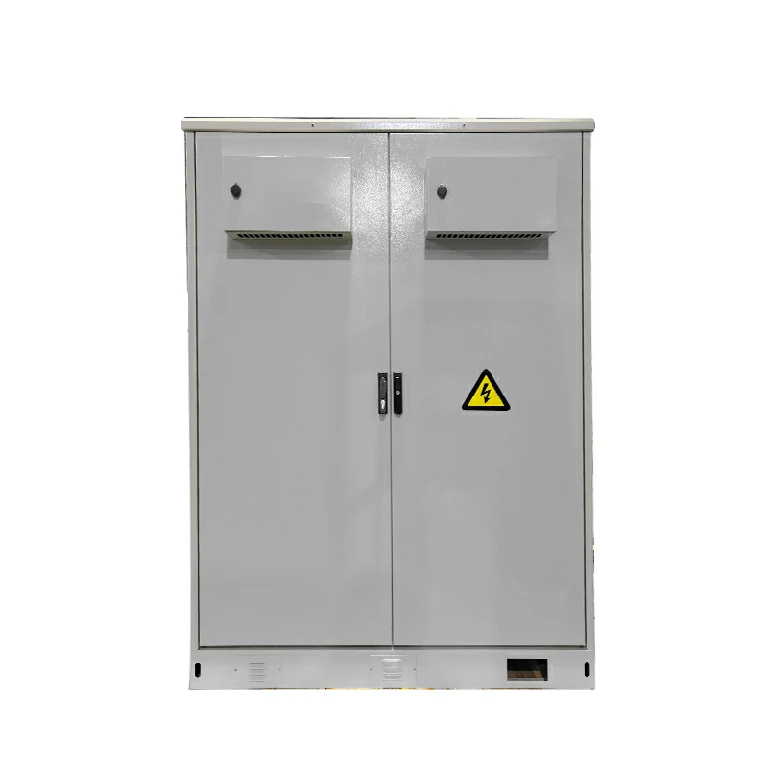
For instance, IP55 could be suitable for sheltered sites in cities. In exposed rural areas and roadside sites, higher levels of protection might be required to withstand storms and cleaning processes. In areas at risk of flooding, Elevated enclosures with enhanced sealings above and beyond what is offered within enclosures might be required.
It is also worth remembering that the level of protection refers to the overall system. Cable entries, doors, and ventilation openings have to be on the same level. It would be a poor solution even with a high-rated cabinet and poorly designed cable entries.
Include a Range of Materials Based on Durability Rather Than Price
The choice of material has a direct influence on the lifetime and maintenance requirements.
Steel cabinets are very common and economical, but the quality of coating makes a difference. In some places where there may be corrosion, improper coating results in oxidation well before its time. Aluminum resists corrosion better and is lighter, which may be quite helpful during installation. Stainless steel is preferred where there are chemicals in plenty, but its price may be a little higher.
When trying materials, consider the lifetime span. Each cabinet that will need replacement or painting after a few years will not be more cost-efficient in the end.
The Size and Internal Organization Are Far More Important Than You Realize
One of the most common mistakes is selecting a cabinet that fits the existing equipment perfectly, without any room for expansion or maintenance.
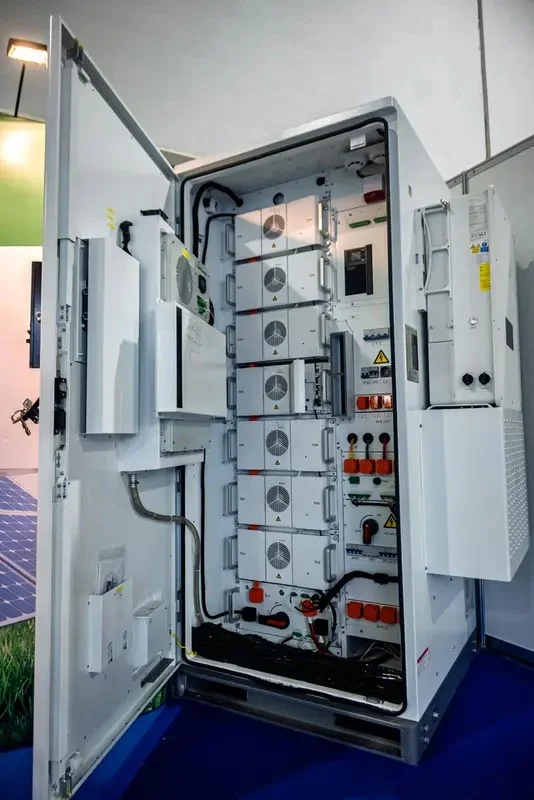
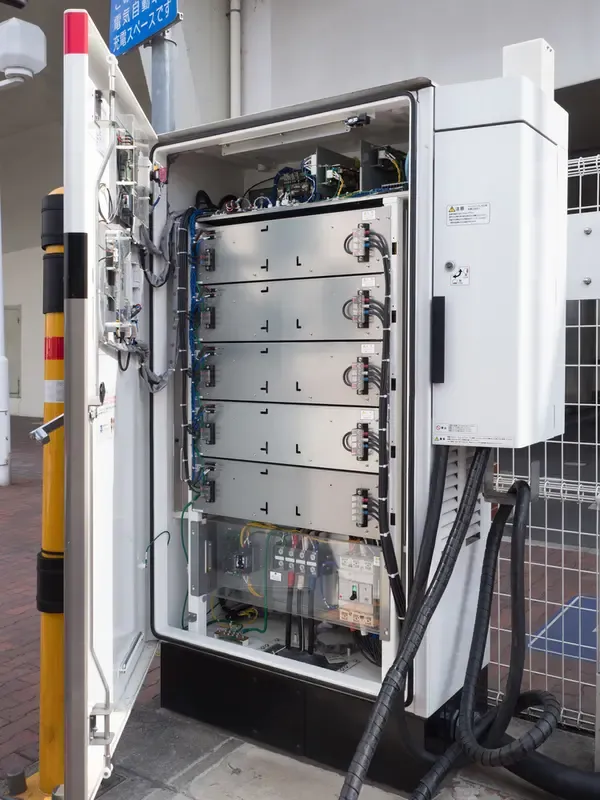
An outdoor network cabinet should also have adequate provision for airflow, routing of cables, and expansion. This is because tight layouts are prone to accidental damage during maintenance.
This involves observation of mounting rails, internal compartments, and isolation between power and signal systems. Proper design of the internal arrangement minimizes heat generation and makes upgrading in the future easier.
Plan for Thermal Management Early
Thermal management is where many outdoor telecom cabinets succeed or fail.
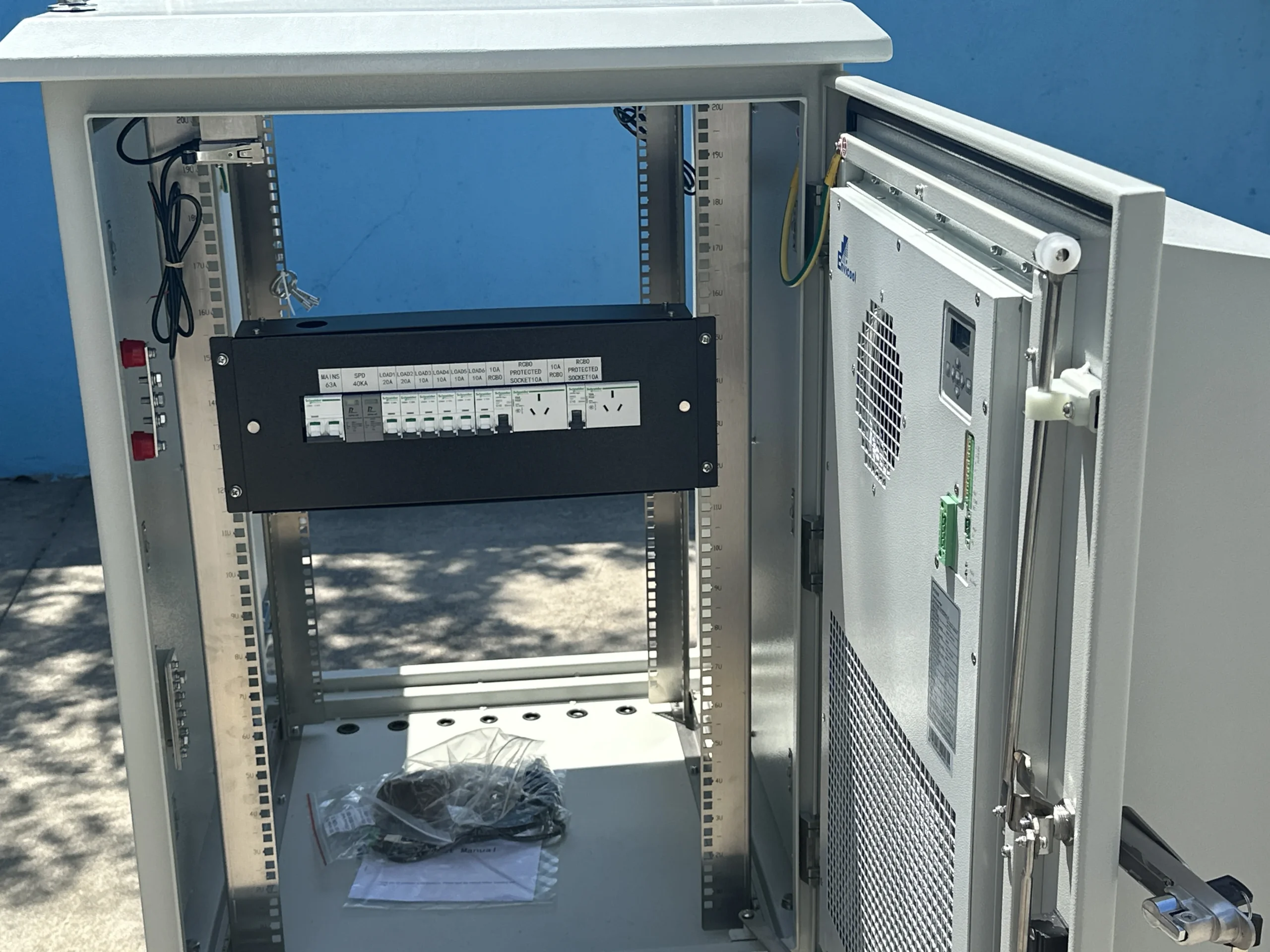
Perhaps passive cooling can be done effectively in milder climates with low heat generation. For areas with high heat generation or more intense temperatures, active cooling using fans or air conditioners may prove necessary.
It is not necessarily the case that the addition of cooling will be easy. In fact, the layout of the cabinet, the power resources available, and the layout can all benefit from consideration of thermal strategy. Heat is simply another design input.
Installation and Maintenance Requirements
A case that looks good on a drawing can be very hard to install and service.
Think about foundation needs, anchoring, and access clearance. The doors need to be opened completely without any interference. Filters, fans, and power sections need easy access without disassembling the large components.
Time spent on maintenance is money. Easy-to-view cabinets with accessible replacement parts save time and money spent on maintenance in the long run.
Common Selection Mistakes to Avoid
Several issues in the outdoor telecommunication cabinet can be attributed to some common mistakes.
Making a choice solely on the basis of IP and not thinking about the issue of heating. Going for the smallest cabinet to save on cost and then finding out that there is no room for growth. Overlooking corrosion concerns related to the environment. Assuming all locations are the same for outdoor installations.
In order to avoid this, it is important to stand back and assess a complete deployment, rather than just a datasheet for a cabinet.
When Customization Becomes the Right Choice
Standard cabinets are good for standard problems. Usually, projects are not standard.
Sometimes, customization may be necessary where there are extremely hot or cold temperatures, where they are mounted in a unique way, with mixed types of equipment, or where there may be stringent space limitations.
It is essential to recognize at which point conventional solutions are being overstretched in terms of their intended usage. Such insight is typically acquired by comprehending the subject rather than by comparing product sheets.
Comparing Key Selection Factors at a Glance
| Selection Factor | Basic Requirement | High Demand Environment |
| Protection Level | Moderate dust and rain | Heavy rain dust or washdown |
| Material | Coated Steel | Aluminum or Stainless Steel |
| Cooling Method | Passive or fan | Active cooling system |
| Internal Space | Current equipment only | Expansion and service access |
| Installation | Ground Mount | Reinforced base or custom mount |
This type of comparison will make it clearer where higher spec is required versus where it is not.
More than selecting a telecom cabinet with the highest spec, it’s all about the right spec for the right job. Begin with the applications, know the environment, take account of temperatures, and look ahead.
A good cabinet fades into the background and functions quietly for many years. A poor choice brings attention at exactly the worst moments.
If you are going ahead with a telecomms project outdoors, consideration for this at an early stage could save headaches and money downstream. A systematic approach to choosing a cabinet is perhaps the simplest method to enhance network resilience before a single element has been set into place.
If you’re planning an outdoor deployment and need a cabinet that matches real environmental and thermal conditions, you can take a closer look at our outdoor telecom cabinet solutions.