
Important Criteria When Choosing an Outdoor Cabinet Telecom
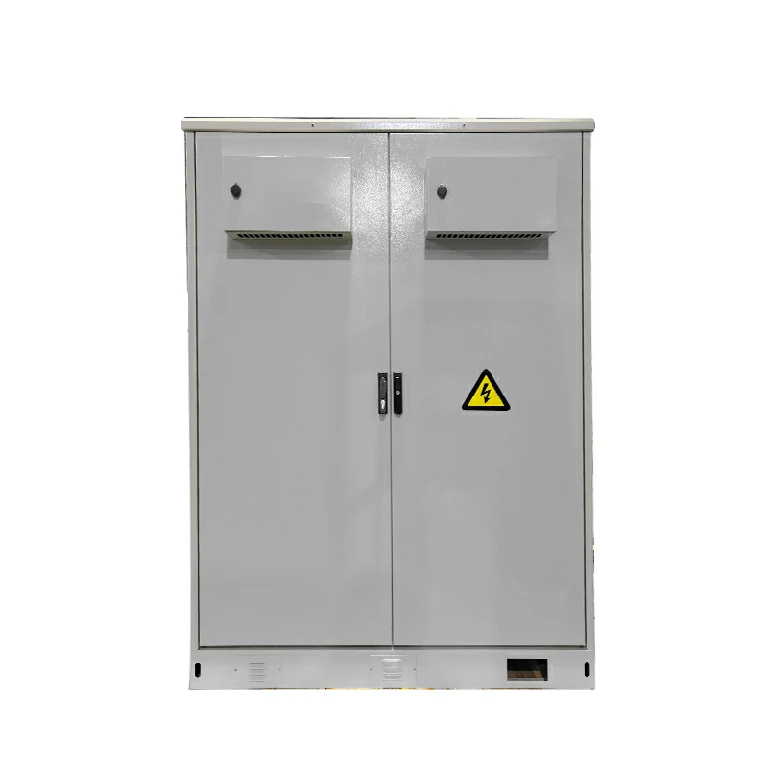
When installing outdoor telecom equipment, it is critical to select the right outdoor cabinet telecom. A suitable cabinet protects servers, routers, battery backup units, solar telecom power cabinet systems, or any other equipment from the weather, temperature fluctuations, dust, humidity, or vandalism. A wrong choice will result in the failure of equipment, disruption of service, or high maintenance costs.
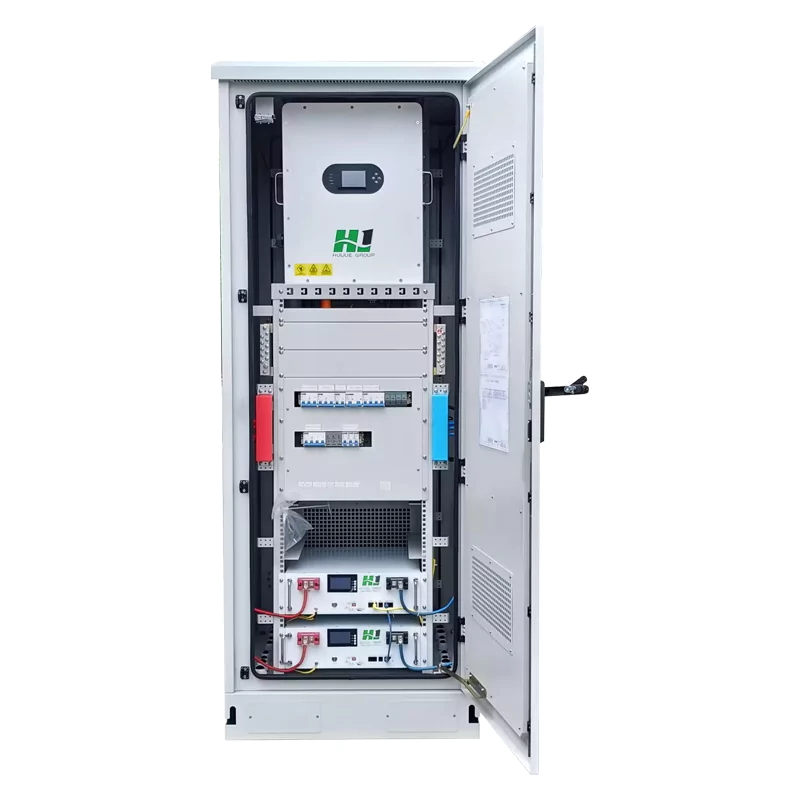
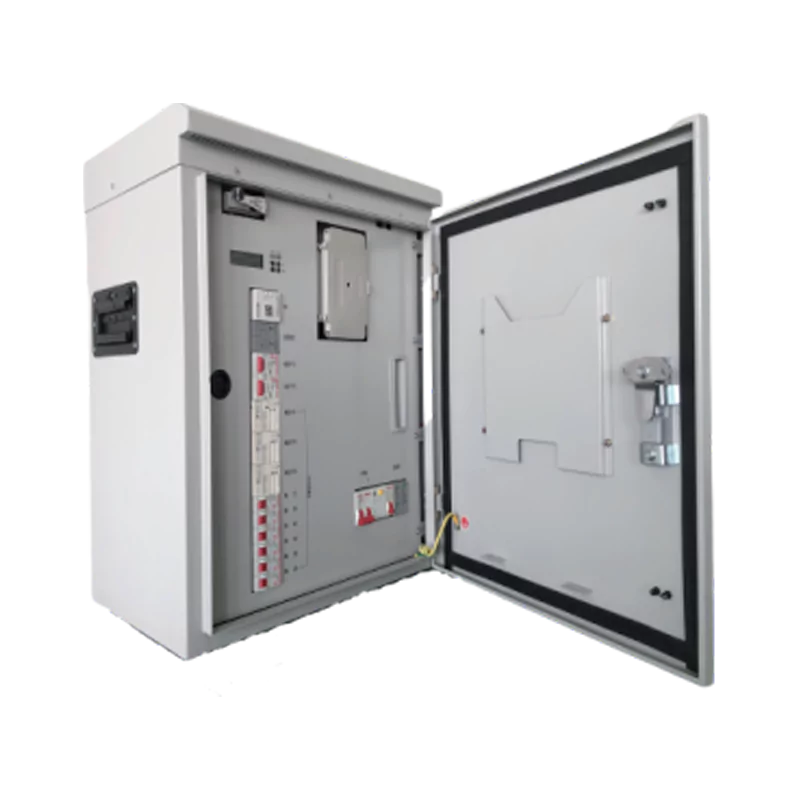
Following are the top features to consider while selecting an outdoor telecom cabinet, be it a basic telecom outdoor cabinet, a telecom battery cabinet, or an advanced outdoor telecom enclosure that offers power supply support.
Weatherproofing and Structural Durability
Outdoor enclosures need to protect the equipment from rain, dust, wind, humidity, and even possible corrosion, especially in coastal or industrial areas. Some important aspects of consideration are:
- Ingress protection rating: Cabinets specifically designed as outdoor enclosures, rather than indoor racks, should be specified. Outdoor-rated cabinets will have effective sealing, weather-resistant construction, and corrosion-resistant materials.
- Material quality and resistance to corrosion: Generally, stainless steel, marine-grade aluminum, and galvanized steel with protective coating perform well in extreme outdoor conditions.
- Seals and gasketsaround doors and cable entry points to prevent dust, water, or pests from entering.
Proper weatherproofing and robust construction ensure long service life and reduce the risk of downtime or equipment damage.
Thermal Management and Internal Climate Control
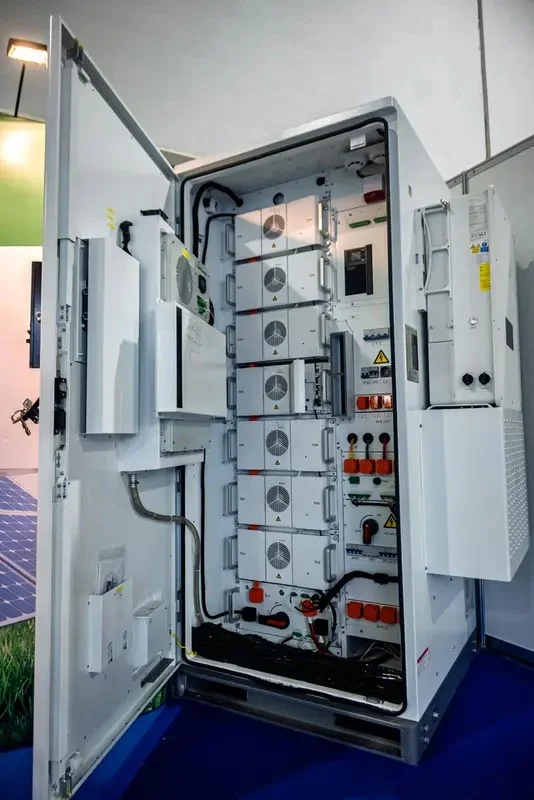
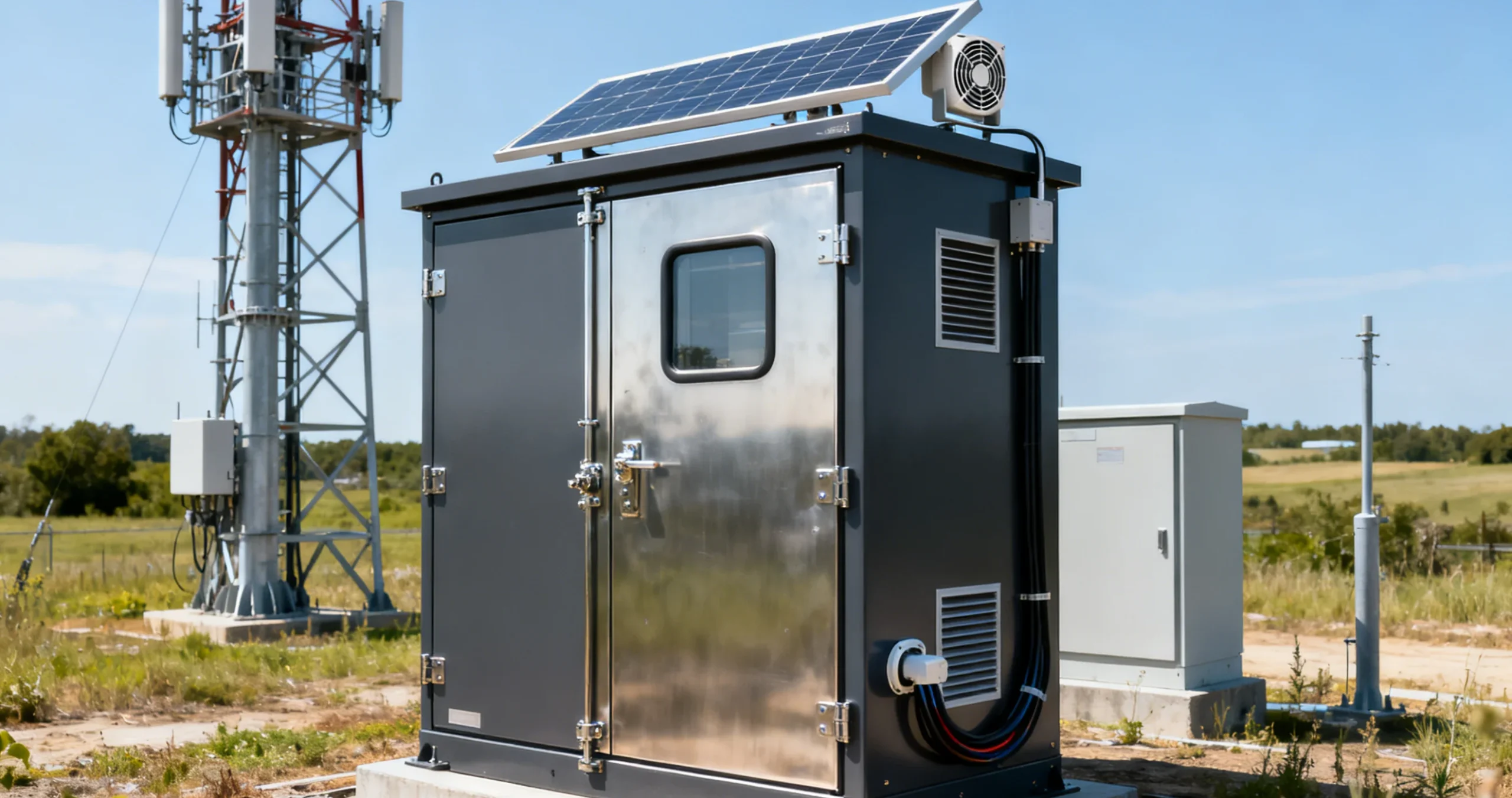
The telecom equipment, and particularly the battery backup units or rectifiers, generate heat; besides that, outdoor conditions may bring high ambient temperature, humidity swings, or solar heating. Internal temperature and humidity can quickly become harmful without proper thermal design. A good outdoor telecom cabinet should support:
- Ventilation or forced airflow:vents, fans or louvers that preserve airflow while maintaining sealing against dust and water.
- Heat dissipation or cooling options:depending on the heat load and climate, support for heat exchangers, passive/active cooling, or mounting provisions for HVAC/air-conditioning units.
- Thermal insulation or sun shields:in very sunny climates, reflect or block the direct sunlight in order to prevent overheating inside.
Sufficient thermal control greatly enhances the reliability and lifespan of electronics.
Size, layout, and future-proof capacity
Your telecom cabinet should match not just the current equipment but also allow for future expansion. Important points:
- Standard rack support:If using 19-inch rack-mount equipment, make sure the cabinet supports standard 19-inch rack rails, providing sufficient rack units space.
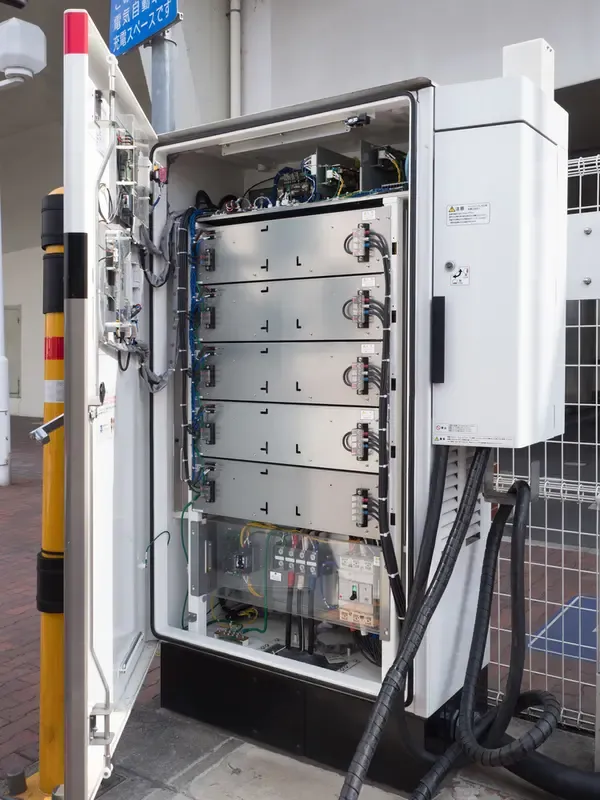
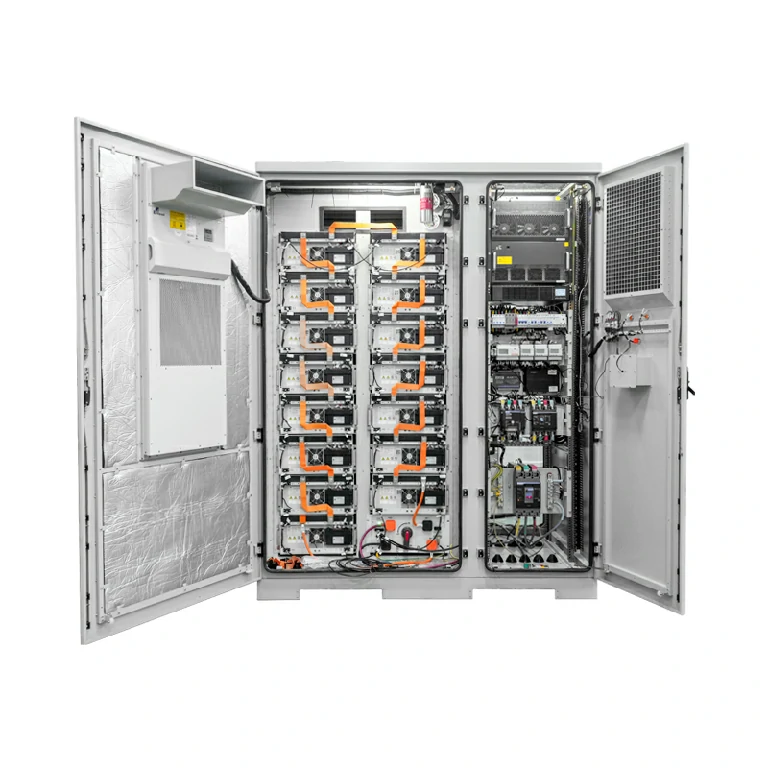
- Space for power, batteries, cabling, and cooling equipment:Many outdoor telecom cabinets will need to house rectifiers, batteries, power distribution units or solar telecom power cabinet modules – so make sure there is adequate internal depth, width and layout flexibility.
- Cable entry and management:appropriate cable gland or sealed entry points for signal, power, or fibre cables without compromise in enclosure sealing.
- Ease of maintenance and upgrades:removable panels or doors to facilitate easy replacement or addition of components.
A well-sized, thoughtfully laid-out cabinet saves future headaches when you expand or update equipment.
Power Integration, Battery Backup or Solar-Ready Capability
Having built-in support for power systems is of great advantage for such remote sites or any backup-critical installation. When selecting a cabinet, look to see if it can accommodate:
- DC or AC power supply equipment: rectifiers, inverters, battery cabinets
- Battery Energy Storage Modules: for backup in case of grid outages, or to assist solar telecom power cabinet setups.
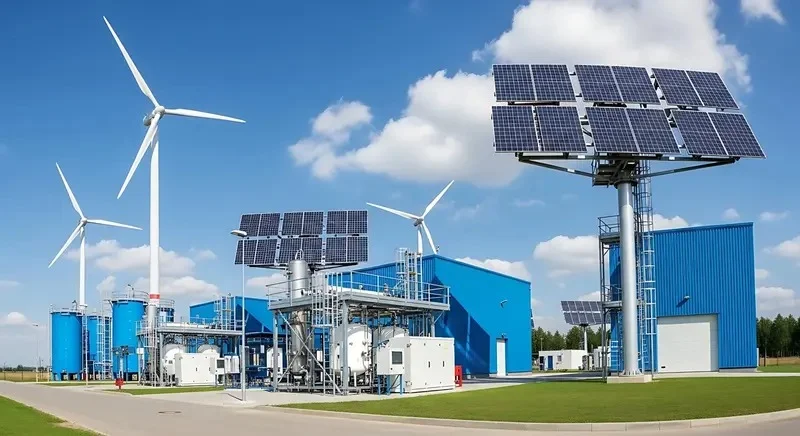
- Solar input, if site uses solar panels — appropriate mounting or wiring entry provisions
- Safe separation of power, data, and grounding wiring that prevents interference or hazards
The flexibility afforded ensures continuous operation even under power instability or off-grid conditions.
Security, Grounding and Physical Protection
Outdoor telecom cabinets may be deployed in public or unguarded areas. For equipment protection:
- Locking mechanisms for security:multi-point locks, tamper-resistant doors, restricted access
- Grounding and surge protection:especially important when batteries or power units are inside — to protect against lightning, surges, static or faults
- Mechanical strength, impact resistance:resists vandalism, or accidental impacts, or other environmental forces such as wind and storms.
- Structural stability and mounting:stable base or plinth to prevent tipping, especially in the case of placing the cabinet outdoors in an open area or on uneven ground.
These features reduce risk of theft, damage, or electrical hazard.
Reliability, Maintainability and Long-Term Use
Outdoor telecom infrastructure should remain operational for many years. Good enclosures, in support of this, should include:
- Easy maintenance access, such as by the removal of panels or doors; entry for cabling or component exchange
- Good ventilation or air conditioning to reduce humidity or long-term over-heating
- Durable coatings for corrosion prevention of metal parts in extreme environments.
- Modular design, so that components (power supplies, batteries, cooling units) can be replaced or upgraded without having to replace the whole cabinet.
Such maintainability reduces lifecycle cost and secures long-term operation.
Summary Table of Key Features
| Key Feature | Purpose / Benefit |
| Weatherproofing & durable materials | Protect equipment from rain, dust, corrosion, UV, salt air |
| Thermal management / ventilation | prevent overheating or condensation to keep electronics safe |
| Adequate size & flexible layout | Accommodate current gear and future upgrades including power/battery modules |
| Power/battery/solar-ready integration | Support backup power or operate off the grid when necessary |
| Security, earthing, mechanical strength | Prevent theft, damage, electrical hazards, environmental impact |
| Maintainability & modular design | Simplify upgrades, replace batteries, maintenance; reduce long-term cost |
Making the Right Choice
When assessing any outdoor cabinet telecom units, one should match the specifications of the cabinet to your expected operating environment and use case. For urban base stations, you might prioritize security, size, and thermal control; while in other remote or off-grid sites, you might emphasize power/battery support, sealing, corrosion resistance, and maintainability.
Avoid the use of under-sized or indoor-rated enclosures outdoors because they usually fail prematurely when exposed to weather elements. Choose cabinets built for outdoor telecom or battery enclosures with robust design and adequate protection.
By prioritizing these top features, you ensure that your telecom equipment remains protected, functional, and maintainable over time.
If interested in reliable outdoor telecom cabinet solutions, feel free to check out our telecom outdoor cabinet products.