
The outdoor energy storage system is the future of reliable off-grid power
An outdoor energy storage system is quickly becoming one of the most important foundations for reliable off grid electricity. As more communities, industrial sites, and infrastructure projects move beyond traditional grid connections, the need for dependable energy storage in harsh outdoor environments continues to rise. Early in any off grid project, energy storage defines how stable the power supply will be, how well renewable energy can be used, and how resilient operations remain during extreme weather or grid outages.
Outdoor lithium battery technology, combined with smart control systems and modular cabinet designs, provides modern outdoor solutions that offer dependable power in those places where conventional grids cannot reach. This transformation is changing energy access for remote communities, telecom towers, mining sites, and emergency response facilities.
What is an Outdoor Energy Storage System?
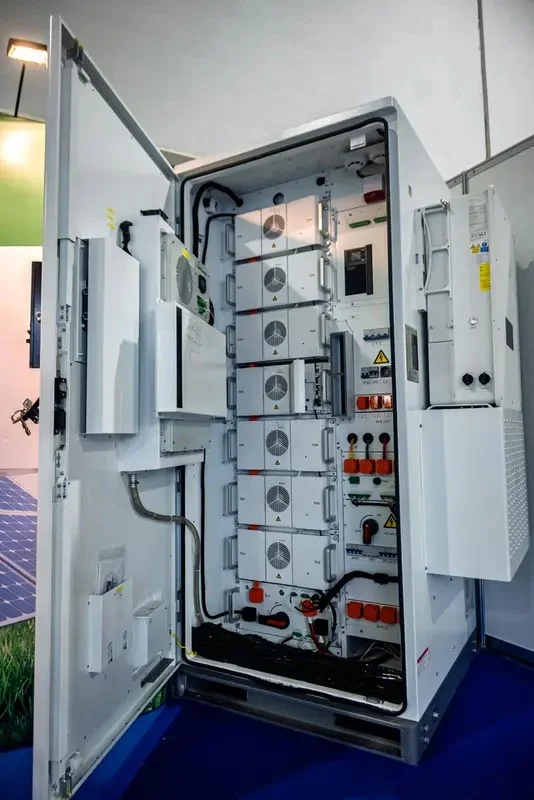
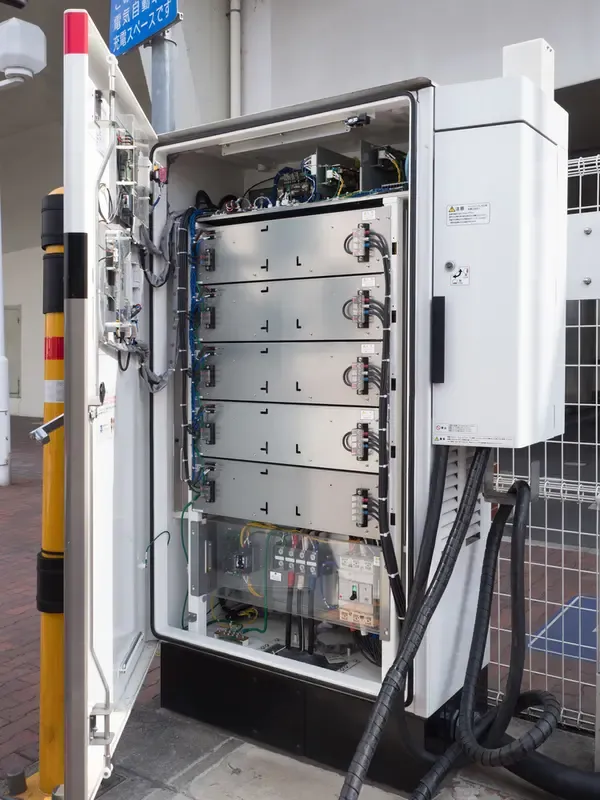
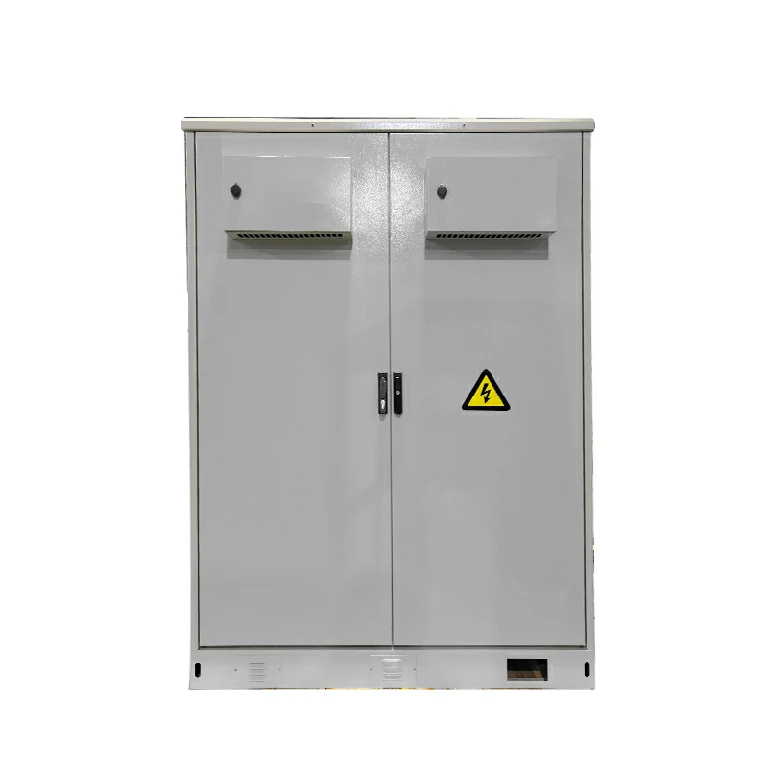
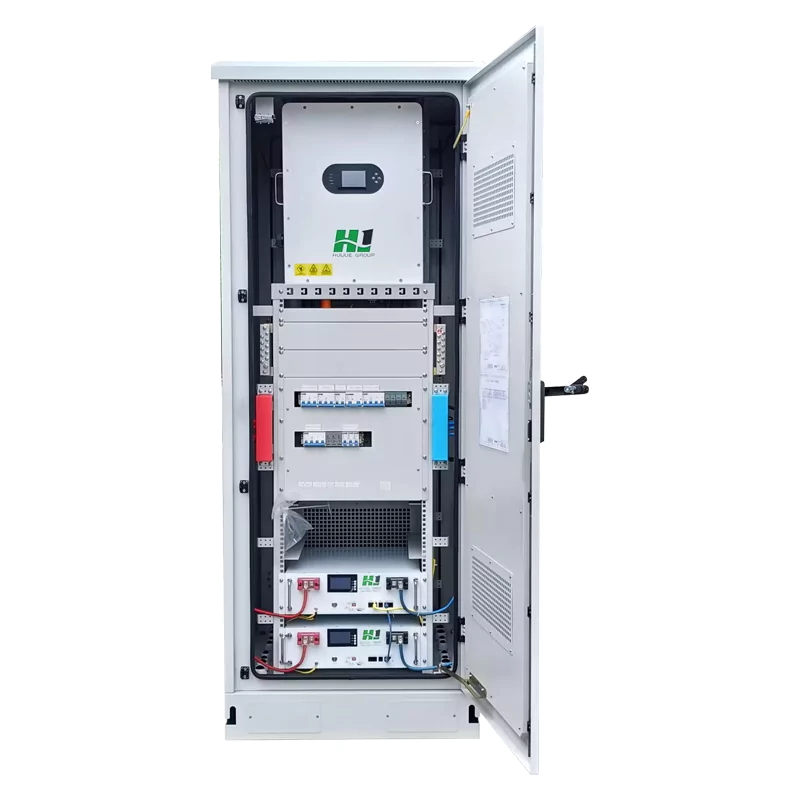
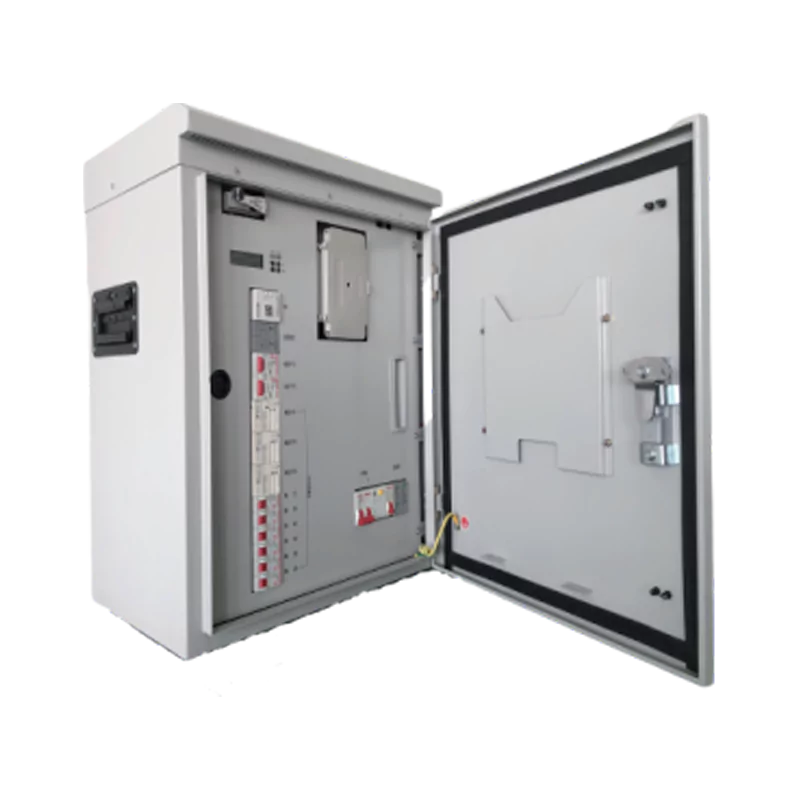
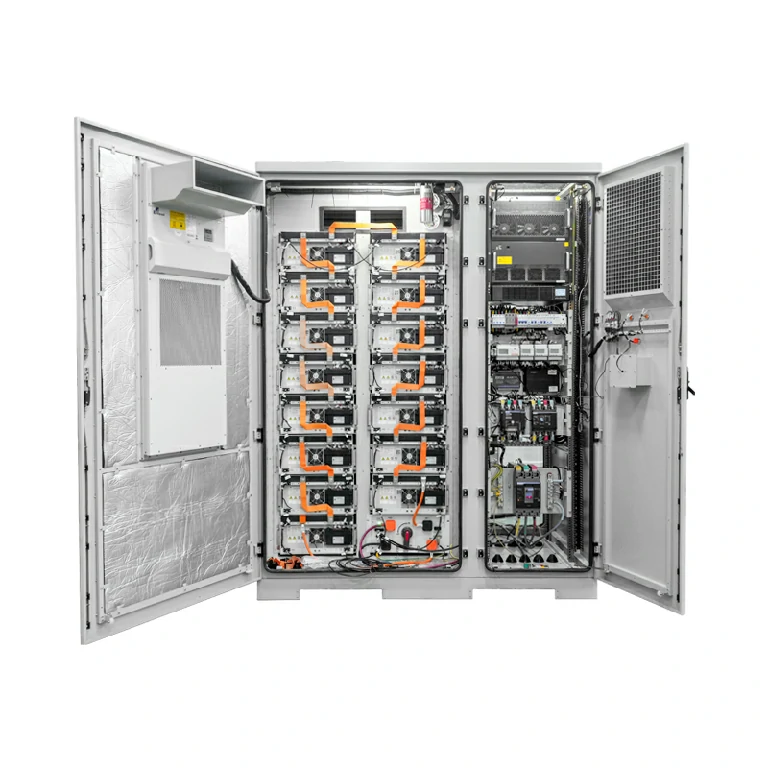
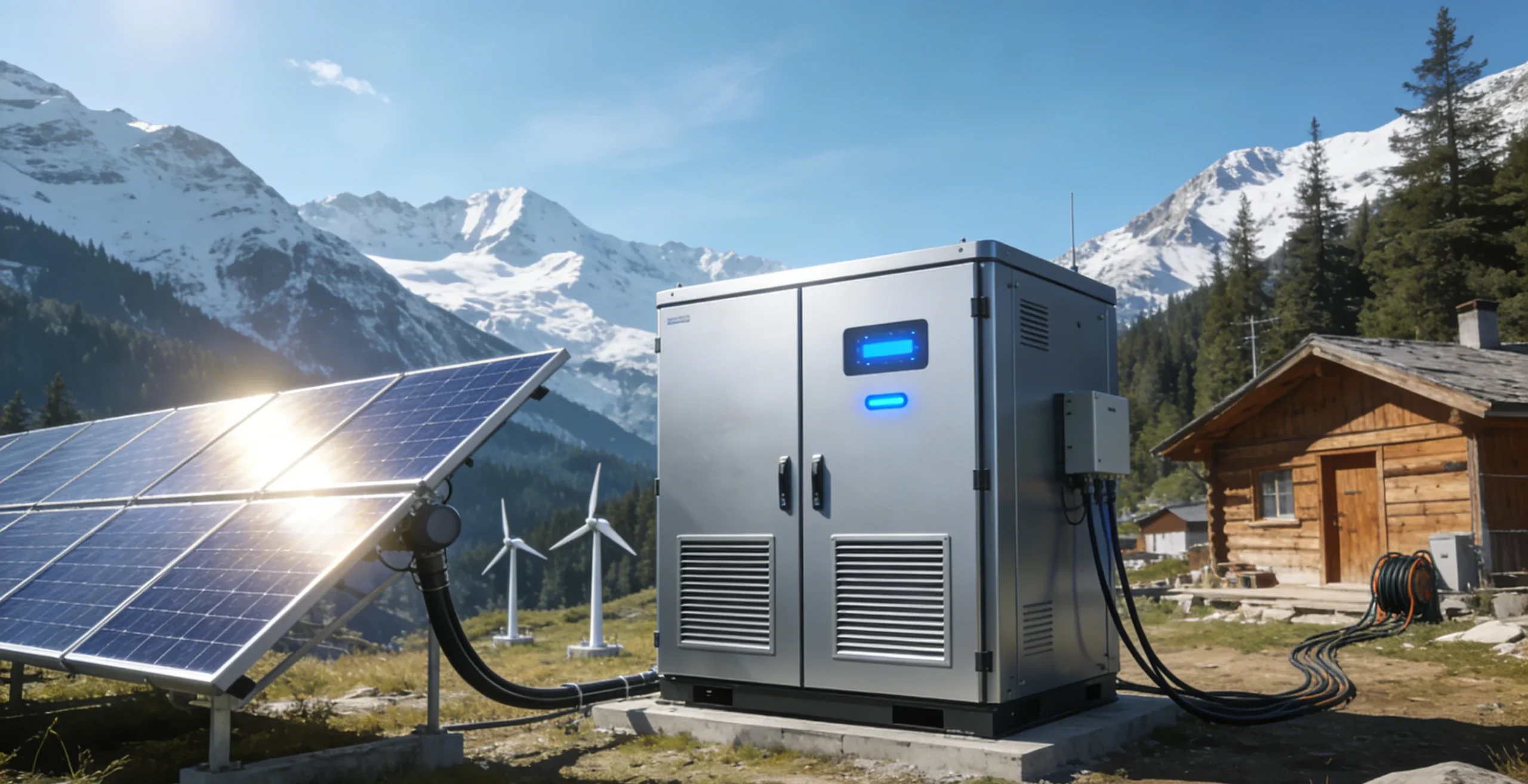
An outdoor energy storage system is a self-contained energy storage solution designed to operate in external environments without the protection of a traditional indoor facility. These systems typically integrate battery modules, inverters, thermal management, fire protection, and monitoring systems inside weather-resistant cabinets.
Unlike indoor systems, outdoor installations must withstand high humidity, dust, heat, cold, and vibration. The most advanced designs rely on outdoor lithium energy storage systems because lithium ion chemistry offers high energy density, fast response, and long cycle life. Modular outdoor energy storage solutions are especially valuable because capacity can be expanded as power demand grows without rebuilding the entire system.
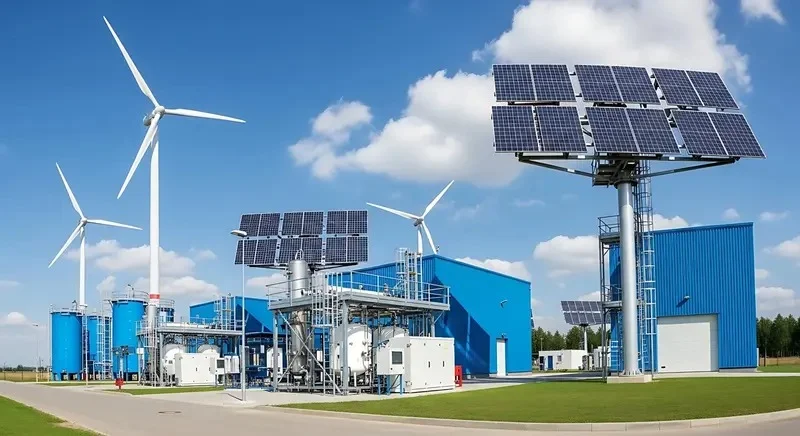
These systems, from a functional point of view, store surplus energy created by solar, wind, or generators and release it when the production drops or demand spikes. This makes them central to any off-grid outdoor energy storage system used in continuous power delivery.
Why Outdoor Energy Storage Is Critical for Off Grid Power
Generation alone isn’t enough to make off-grid power reliable. Without storage, renewable power becomes intermittent and, therefore, unreliable. Energy storage bridges the gap between production and consumption to protect critical operations from disruption.
According to the National Renewable Energy Laboratory Battery Energy Storage System Evaluation Method, Performance evaluation based on real-world charging and discharging data allows project developers to match storage size directly to site demand and environmental conditions. This ensures that outdoor power storage cabinets provide consistent output even when solar input fluctuates or loads vary throughout the day.
In remote locations such as islands, high altitude regions, and rural zones, fuel delivery can be pricey or unreliable. Replacing diesel generation with solar plus storage significantly improves energy security, reduces operating costs, and cuts emissions. Outdoor systems also eliminate the need for dedicated battery rooms, which simplifies deployment in space-constrained locations.
Core Components Inside an Outdoor Battery Energy Storage System
An outdoor battery energy storage system incorporates a variety of key subsystems into a single sealed structure.
Battery Modules
Most modern systems use lithium-ion batteries, which boast a long lifespan, high depth of discharge, and performance that is very stable over wide temperature variations.
Power Conversion System
The inverter and control electronics handle two-way power flow between batteries and loads or the grid, making smooth transitions between charging and discharging.
Thermal Management
Outdoor systems rely on smart cooling and heating to maintain battery operation within safety constraints in summer heat and winter cold.
Safety and Fire Protection
Advanced outdoor cabinets incorporate gas detection, pressure relief, and fire suppression mechanisms that automatically initiate on fault conditions.
Monitoring and Control
Remote monitoring allows operators to track state of charge, system health, and performance metrics in real time.
Together, these elements enable outdoor systems to function reliably as stand-alone power centers for off-grid infrastructure.
Advantages of Modular Outdoor Energy Storage Solution
A modular outdoor energy storage solution allows capacity to scale in direct proportion to project growth. Instead of installing a large system upfront, operators can begin with a small configuration and expand over time.
Research supported by the Pacific Northwest National Laboratory Native Renewables Inc. Analysis of Small scale Storage Options Technical Memorandum, shows that the modular systems between 12 to 19 KWh can achieve the most important household and community energy requirements reliably. Such an approach also avoids unnecessary, high upfront investment and reduces many problems in system transportation and installation in rugged topography.
Modularity also improves maintainability. For instance, individual modules can be serviced or replaced without having to shut down the entire system. This is important in the case of off-grid sites where technical support access is limited and downtime has a direct economic or safety cost.
Real World Applications and Operational Cases
Outdoor energy storage systems are now operating in diverse industries and regions. Two examples show their real-world impact.
In 2021, a solar plus outdoor lithium battery system was deployed in an isolated Alaskan village to stabilize power for essential services during winter storms. The system took over the role of diesel generators as the primary energy source and helped reduce fuel consumption, thus enabling continuous heating and communications support.
In 2020, a remote telecom relay station in western China installed a modular outdoor energy storage solution to eliminate the grid extension and reduce maintenance visits. The cabinet-based storage system maintained uninterrupted telecom coverage across mountainous terrain with extreme temperature swings.
These cases illustrate how off-grid outdoor energy storage systems support community resilience and industrial continuity.
Performance, Aging, and Long Term Reliability
Long-term reliability is one of the most important factors in outdoor storage deployments, since battery degradation has a direct impact on usable capacity and project economics.
The academic study arXiv Quality Analysis of Battery Degradation Models with Real Battery Aging Experiment Data provides critical insight into how lithium-ion batteries degrade under continuous cycling. Comparing the predicted degradation to laboratory aging data, this work demonstrates the capability of state-of-the-art battery management systems to predict performance decline in multiyear operation accurately.
This knowledge allows designers, in outdoor installations, to slightly oversize the capacity in order to compensate for natural aging. It also supports predictive maintenance strategies that avoid unexpected power loss. Degradation modeling is particularly important in off-grid settings where battery failure brings all electrical services to a standstill.
Key Selection Criteria for Outdoor Power Storage Cabinets
Project owners should have six key considerations in selecting an outdoor power storage cabinet: First is the environmental protection rating and overall enclosure durability. Second is battery chemistry and verified cycle life under continuous use. Third is thermal control capability for both high heat and freezing conditions. Fourth is modularity and future expansion feasibility. Fifth is the presence of remote monitoring and fault diagnostics. Sixth is compliance with international safety and electrical standards.
Together, these factors determine whether an outdoor system can deliver reliable power over years of unattended operation.
Comparison of Common Outdoor Energy Storage Use Cases
| Use Case | Characteristic Load Size | Primary Benefit | Storage Function |
| Remote communities | 20 to 200 kWh | Energy independence | Solar load shifting |
| Telecom infrastructure | 5 to 50 kWh | Network stability | Backup and peak support |
| Mining and construction | 100 to 500 kWh | Fuel cost reduction | Generator optimization |
| Disaster emergency sites | 10 to 100 kWh | Rapid deployment | Critical backup power |
The table demonstrates how scale and function change by application, but all are based on the same core outdoor energy storage system architecture.
The Future Outlook for Outdoor Energy Storage Systems
Long-term growth in outdoor energy storage systems is ensured by the global shift toward renewable power and rising demand for resilient infrastructure. Technological improvements in lithium-ion chemistry, power electronics, and digital monitoring are steadily improving efficiency and reliability.
As more governments and utilities seek to electrify remote regions without extending transmission lines, outdoor systems will become the default solution for off grid energy access. Their ability to integrate seamlessly with solar, wind, and hybrid generation makes them a cornerstone of future distributed energy networks.
Outdoor energy storage is no longer a niche technology. It is rapidly becoming the backbone of reliable off-grid power for communities, industries, and emergency response systems around the world.
Conclusion
Therefore, an outdoor energy storage system provides a proven path to stable, scalable, and clean off-grid electricity. Through advances in lithium battery technology, modular enclosure design, and performance evaluation, these systems now deliver long-term reliability under demanding environmental conditions. By enabling renewable integration and reducing dependence on fuel logistics, outdoor energy storage reshapes how power is delivered outside of the reach of traditional grids.
Whether you are planning remote power deployment or grid-independent infrastructure, an outdoor energy storage system can be the basis for long-term energy security and operational resilience.