
What Is an Electrical Enclosure Cabinet and How Does It Protect Outdoor Power Systems?
An electrical enclosure cabinet has often been viewed as a secondary sub-assembly; however, for outdoor power systems, it directly determines whether or not equipment will survive under real conditions. Rain, dust, temperature fluctuations, and physical exposure-cingularly or in combination-push the limits of electrical hardware. Indeed, without enclosure protection, even high-quality components can fail prematurely.
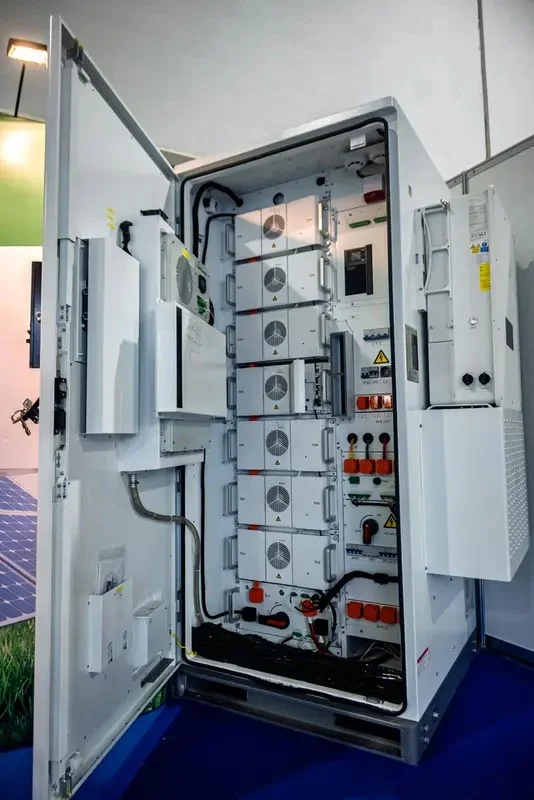
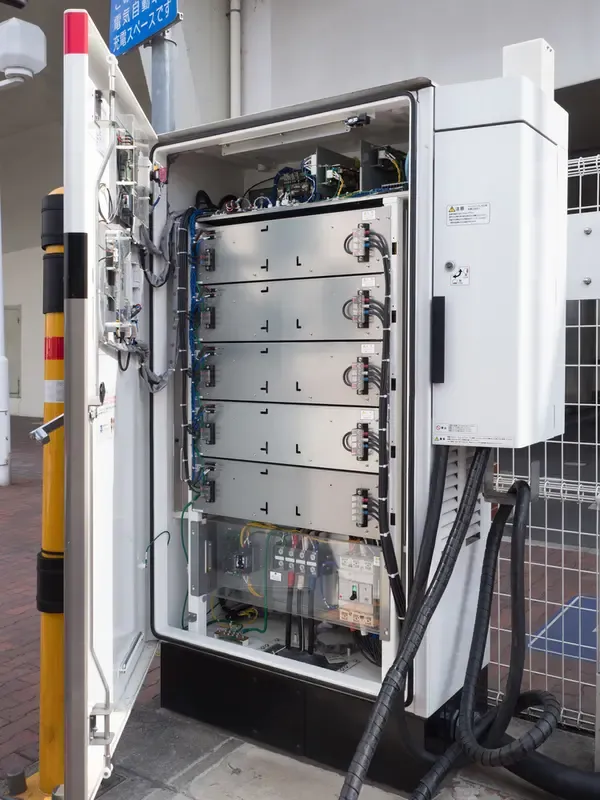
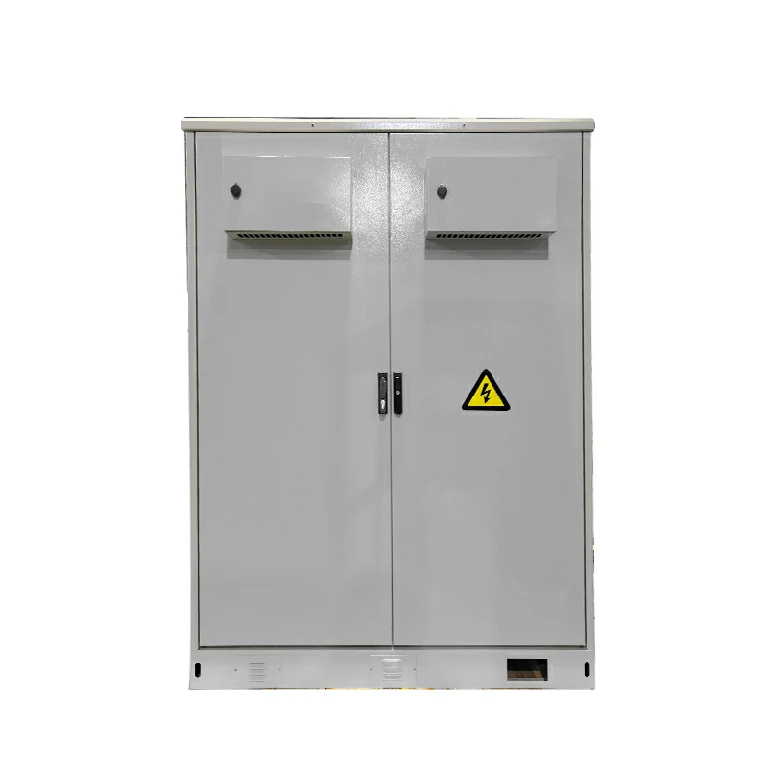
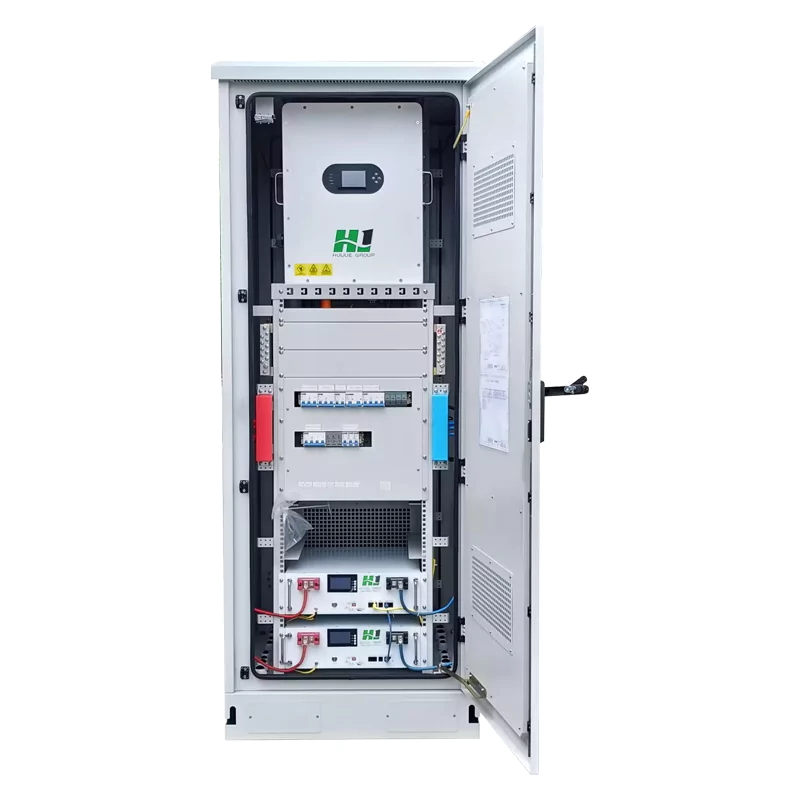
The electrical enclosure cabinet is a protective housing meant for keeping electrical or electronic equipment and for protection against environmental and physical harm. In outdoor applications, this role expands considerably. An electrical enclosure cabinet used outdoors needs to maintain safety and reliability, along with compliance, in environments that are naturally unpredictable.
What an electrical enclosure cabinet actually does
The Wikimedia Foundation’s publication Electrical enclosure — Cabinet for electrical or electronic equipment explains that an electrical enclosure is intended to prevent contact with live components while protecting internal equipment from external factors such as dust, moisture, and mechanical damage. This definition forms the baseline for understanding why enclosures are essential rather than optional.
In terms of system functionality, there are three basic roles that the enclosure simultaneously covers. This structure guards equipment, integrates components, and establishes a controlled boundary zone that separates electrical danger from the rest of the system. In an outdoor power system, failure of any of these roles could affect the whole system.
Therefore, the industrial electrical enclosure box is more than a simple container. In fact, it is a barrier that enables the operation of the electrical equipment in a manner that is favorable to the environment despite the unfriendly nature of the surrounding atmosphere.
Why outdoor power systems place higher demands on enclosures
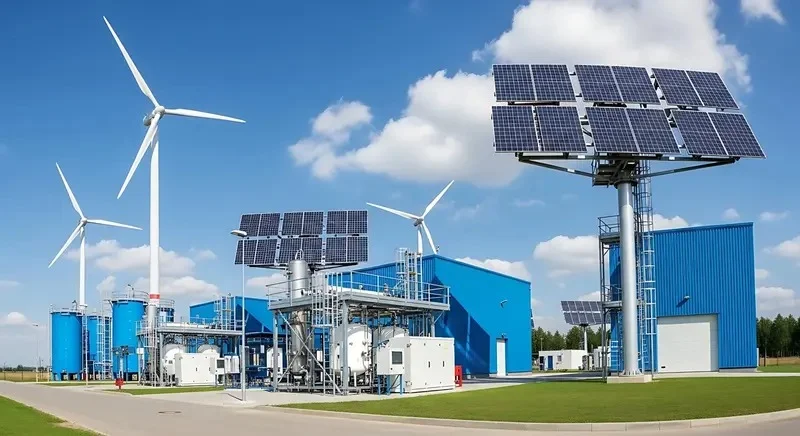
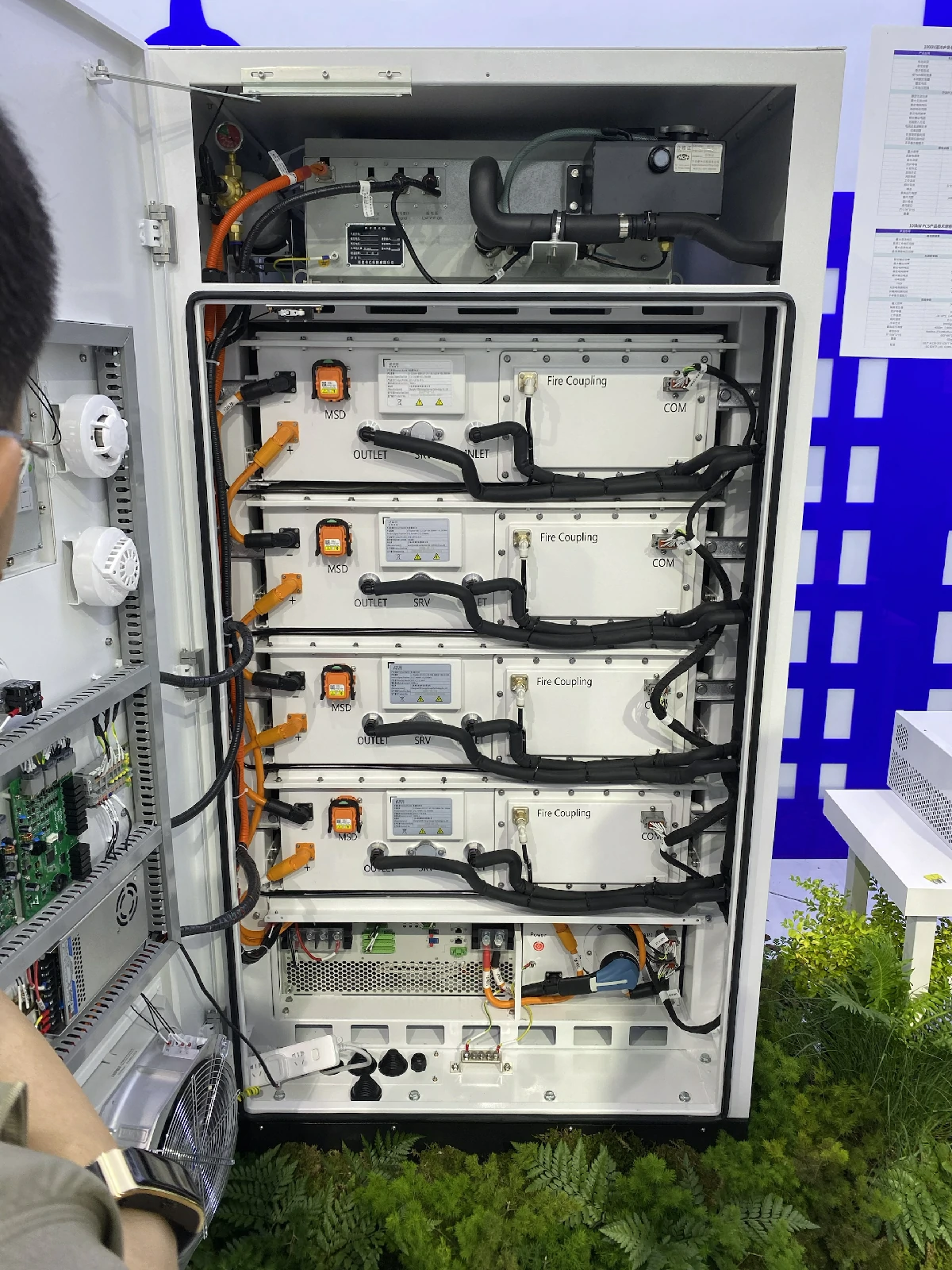
With an outdoor installation, the system is exposed to environmental conditions that would never be possible in an indoor installation. Water invasion, dust in the air, UV rays, corrosion, and damage due to impact are all part of the hazards that the system faces.
Weather conditions such as snow, ice, and high temperatures take their toll on the system’s wiring and other components, culminating in reduced performance and potentially shortening the
This is why a standard cabinet that is meant to be used indoors is not suitable to be installed outdoors. An electrical cabinet that is weatherproof is designed with joint seals, rugged material, and finish that resists or prevents the degradation of the materials.
In most instances, many of the failure modes of outdoor systems have nothing to do with electrical overload or components but relate to the enclosure, such as condensation.
How IP ratings define enclosure protection
Understanding ingress protection in practical terms
To avoid ambiguity, enclosure protection is defined using standardized rating systems rather than subjective descriptions. The International Electrotechnical Commission’s publication IEC 60529 Degrees of Protection Provided by Enclosures (IP Code) explains how enclosures are classified based on their resistance to solid particles and water.
An IP rating is made up of two digits. The first digit refers to protection against solids (e.g., dust), whereas the second digit refers to water resistance. This system provides a means for engineers to specify enclosure performance in a very precise and verifiable way.
An IP65 electrical cabinet would be fully dust protected and protected against jets of water from any direction, for example. In many outdoor power distribution enclosure applications, this level of protection is adequate to deal with typical environmental exposure without adding unnecessary complexity to the application.
Why IP ratings matter in real installations
IP ratings are not pure theory. They affect the reliability of the device over the life of the product and even safety certifications. Choosing a housing with a low IP rating may result in a slow buildup of moisture or contaminants that will not be noticed for months or even years.
On the other hand, over-protection of the board can raise the board price as well as the cooling complexity and cost of the board design if the IP rating is not suitable for the actual ambient conditions and the designers’ assumptions about those conditions.
Thermal management and internal conditions
Protecting the weather is only part of the problem. Outdoor enclosures must also necessary to deal with the internal temperature and humidity. Sun radiation can greatly affect the internal temperature, while temperature fluctuations can result in condensation.
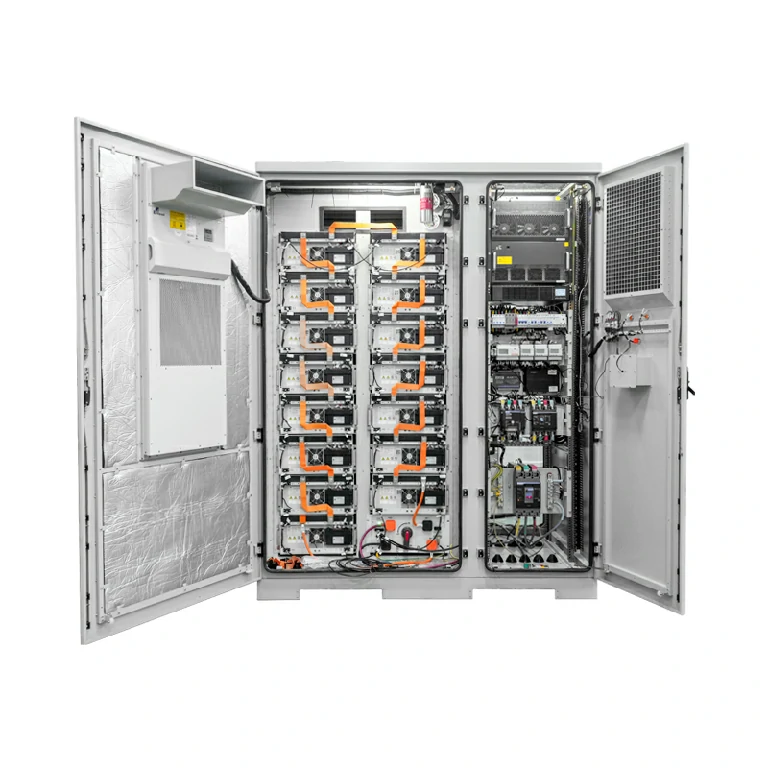
A well-designed outdoor electrical enclosure would take into account airflow, insulation, and available thermal accessories. The ambient conditions are made optimal inside to reduce stresses on devices such as breakers, relays, control circuits, etc.
A system with poor thermals is not likely to have an immediate consequence of system failure. Instead, system durability is reduced, there are expensive fixes in the future.
Safety and access control in outdoor environments
Safety is one of the primary reasons electrical enclosure cabinets exist. Many times, outdoor power systems are installed in more accessible locations that may increase exposure to accidental contact or unauthorized access.
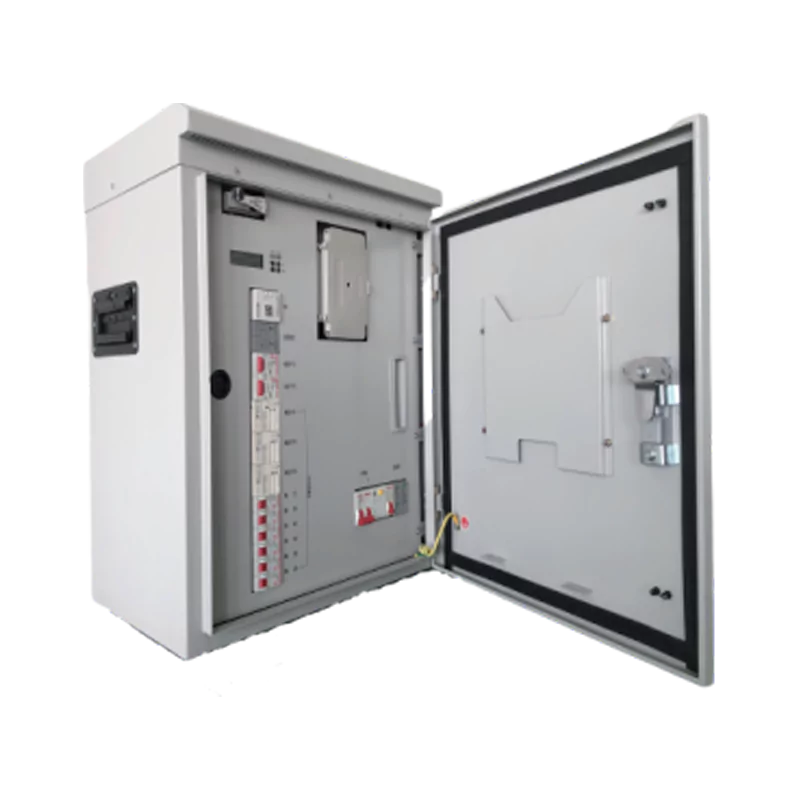
A proper power distribution enclosure restricts access to live parts through lockable doors, internal barriers, and grounding provisions. These measures will also protect the public and the maintenance personnel while meeting the regulatory expectations of the installations.
For many applications, the enclosure represents the visible safety interface for an entire system. Clear labeling, robust construction, and secure access contribute to safer operation.
Supporting reliability in power distribution systems
The reliability of outdoor power supply systems would be ensured by consistency. The housing plays a critical role in protecting electrical connectors against corrosion, vibration, and dirt.
Stable internal environments can help avoid problems like loose terminals, degradation of insulation, and randomly changing conditions. Such problems usually do not give warnings, but they form a substantial percentage of unscheduled down times for outside applications.
Sometimes, optimizing the enclosure itself can lead to a marked improvement in system performance without modifying any of the electrical components inside.
Choosing the right enclosure for outdoor use
Selecting an enclosure involves more than checking dimensions. Environmental exposure, mounting method, access needs, and future expansion are all relevant. An enclosure that may work nicely in a mild climate could fail quite quickly in coastal, industrial, or other high-dust environments.
The best strategy is to consider the enclosure as an integral part of the system design, not the last item on a checklist. When enclosure selection supports environmental reality, outdoor power systems become much more predictable and simpler to maintain.
Conclusion: the enclosure as a critical system element
An electrical enclosure cabinet is more than a passive box since it is an active participant in the reliability of the systems. In the outdoors, it shields the equipment from the surrounding environment while ensuring compliance.
In your future projects involving the design and upgrading of an outdoor installation, the enclosure should be assessed with the same attention that is given to electrical considerations. This is important because selecting the right enclosure at the right time can save your project from expensive and avoidable failures.